SMR Reactor Pressure Vessel (RPV) Thermal Insulation
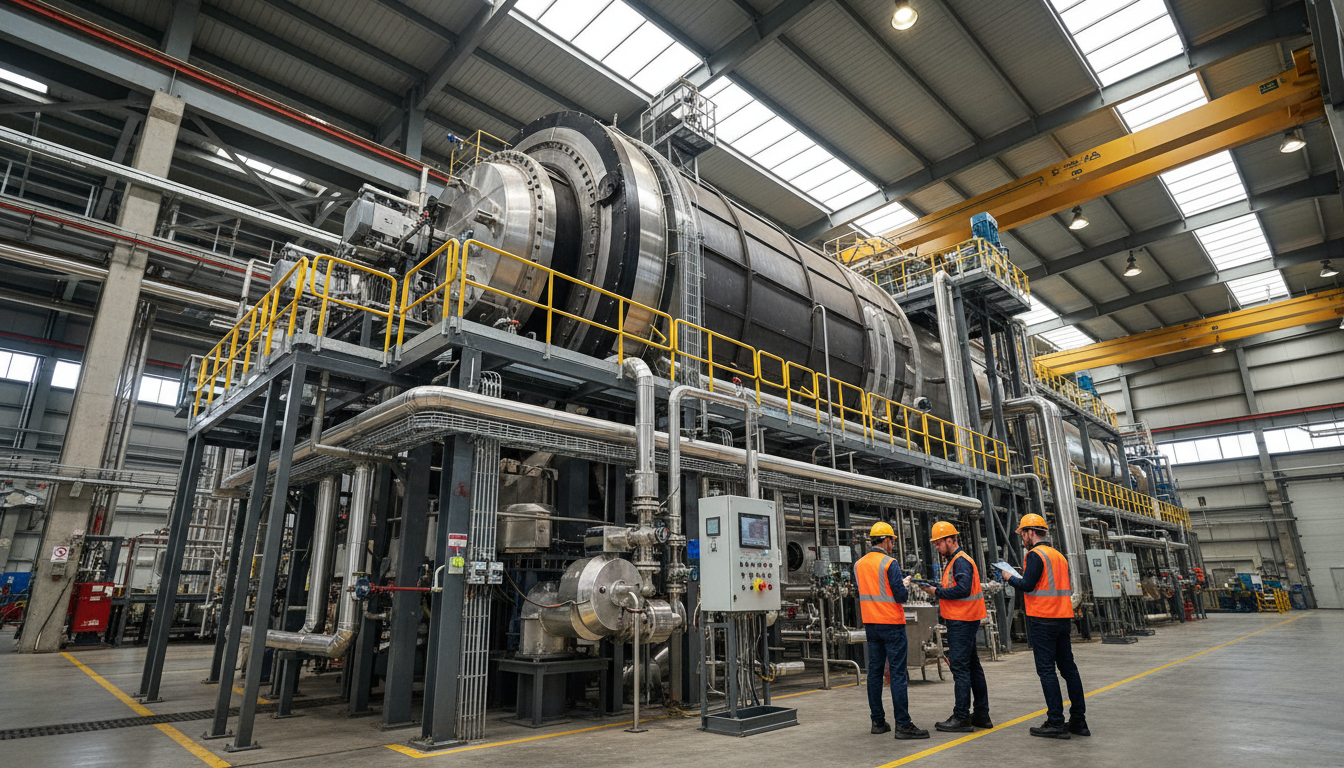
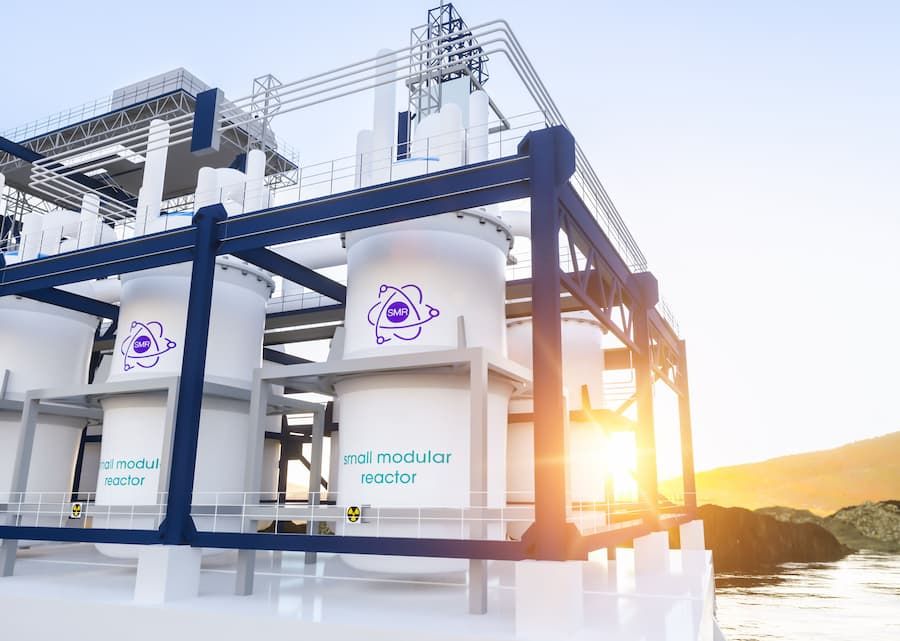
In the nuclear sector, safety and efficiency begin with thermal control of the Reactor Pressure Vessel (RPV). Unlike conventional plants, Small Modular Reactors (SMRs) generate high power density in much more compact volumes — making it vital to minimize RPV surface heat loss and protect surrounding components from thermal load. ERATHERM develops high-performance Reflective Metal Insulation (RMI) for SMR and conventional nuclear facilities, from engineering calculations and CFD-supported simulation to ASME Section III detail design, on-site installation and post-commissioning audit — keeping the immense core energy within safe limits while preventing thermal deformation of adjacent components. 20+ years of thermal engineering, cryogenic + vacuum infrastructure from defense-space projects and full nuclear-code discipline come together here.
 RPV · RMI · ASME III
SMR Insulation Diverges on Three Axes
SMR insulation engineering separates from classic industrial discipline in three fundamental ways.
SMRs produce high power density in far more compact volumes — an extreme heat budget at the RPV surface.
Nuclear safety protocols ban fibrous materials; RMI is the only valid solution and does not degrade under radiation for 60+ years.
For ISI inspections, panels are removed and refitted in minutes — minimizing radiological dose and downtime.
The Most Critical Component of an SMR
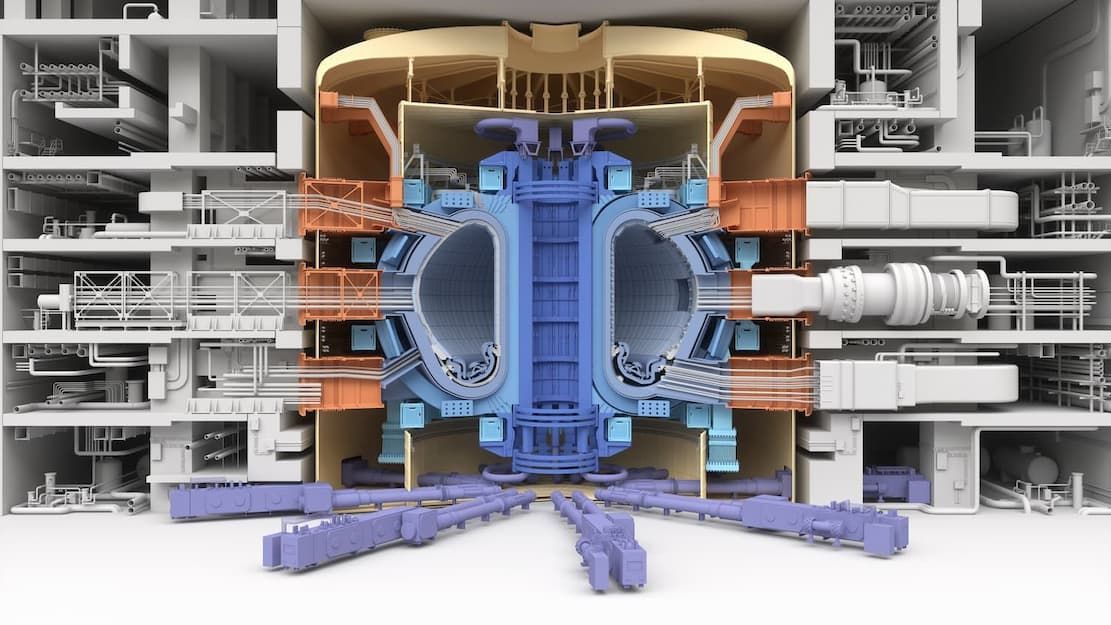
The RPV houses the nuclear core and manages extreme temperature and pressure — directly within the scope of insulation engineering. ERATHERM's RMI keeps it safe and stable:
- High power-density thermal-load management in a compact volume
- Thermal-deformation prevention for surrounding components
- Thermal-load barrier for cable trays, instrument lines and structural steel
- Modular packages designed for periodic non-destructive ISI access
What RMI Is, and How It Works
RMI is a nuclear-grade system in which stainless-steel or aluminium foil layers are stacked with small air gaps. It does not block conduction — it reflects thermal radiation back at every layer, the dominant heat-transfer mode at high temperature, cutting heat loss by more than 90% with no particle release, outgassing or hygroscopic water uptake.
- Foil: AISI 304 / 316 stainless · Al 1050 / 5754
- Layers: typically 20–60 reflective surfaces, spacer-fixed gaps
- Cabin: modular stainless panel with quick-release clips
- Certification: CMTR chain to ASME Section III
Four Strategic Advantages for RPV Insulation
Why RMI is preferred worldwide for reactor pressure vessel insulation.
Layered metal reflects thermal radiation, cutting heat loss by over 90% — direct action on the dominant transfer mode at high temperature.
No particle release; eliminates outgassing risk and fully meets vacuum-stability and nuclear cleanroom requirements.
Modular panels are quickly removed and refitted during In-Service Inspection, minimizing radiological dose and downtime.
No structural degradation under radiation; matches 60+ year plant lifetimes with no recurring replacement or waste.
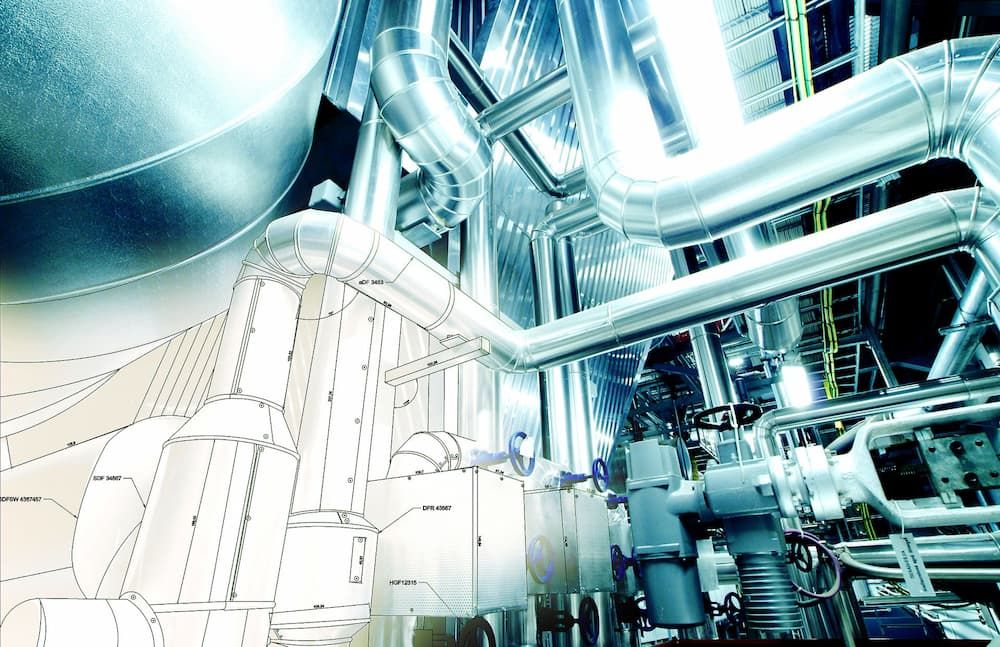
The Scientific Backbone of RMI Design
An RMI package is not just a material list — every layer's geometry, every gap's radiation view factor and every connection's thermal-expansion fit must be verified by simulation first.
- 3D thermal model — full heat map of RPV and surrounding components
- Coupled flow-heat simulation — natural circulation and forced cooling on the insulation surface
- Thermal-expansion analysis — predicting RMI panel movement across operating transitions
- Radiation view factor — layer optimization and efficiency via view-factor analysis
Eleven Engineering Disciplines, One SMR Roof
From the reactor core to underground modules and from vacuum-jacketed cryogenic lines to zero-outgassing panels — every SMR insulation need.
RPV thermal control and high-performance RMI to prevent thermal deformation.
Thermal-transition optimization and structural integrity between core and outer vessel.
Natural-circulation cooling cycles requiring no power during an accident.
High-mobility, mechanical-analysis-compliant flexible insulation for compact pipelines.
Insulation design fully compliant with international nuclear codes.
CFD-supported hydrothermal barrier design under high hydrostatic pressure.
Nuclear-grade penetration sealing and fire-spread barrier systems.
Vacuum technologies suppressing radiative transfer for cryogenic and high-thermal lines.
Hybrid insulation for machinery-induced vibration damping and noise control.
Moisture-penetration prevention, corrosion protection and thermal efficiency for buried modules.
Non-outgassing material technology maintaining vacuum stability in closed-loop systems.
Full Compliance with International Nuclear Codes
Nuclear component design.
In-Service Inspection (ISI).
French nuclear code.
Reactor design requirements.
NRC technical basis.
Surface burning / fire spread.
Reaction-to-fire classification.
Industrial insulation framework.
Quality management.
From Concept to Commissioning Audit
Six engineering stages take an SMR RMI package from concept to a verified handover.
RPV geometry, ISI access, seismic and ASME III framework.
3D model, coupled flow-heat and view-factor analysis.
ASME III + RCC-M drawings and modular panel design.
AISI 304/316 + Al foil with CMTR certification chain.
ITP, quality control and radiological-safety coordination.
Surface temperature, ISI access and thermographic report.
Four Stakeholders in the SMR Ecosystem
RMI and thermal-simulation packages for reactor designers.
Insulation packages for turnkey nuclear plant projects.
Independent technical review and audit consultancy.
Insulation and modernization for test and research reactors.
Cross-Portfolio Engineering at the Reactor Core
Refinery, cryogenic, space-test and nuclear experience under one roof — the same engineering discipline that supports long-term partnerships with leading energy, industrial and defense organizations now serves the SMR sector.


































RMI expertise, CFD simulation infrastructure, fiber-free material sourcing with CMTR chains and 20+ years of field-based engineering — "looks good on the drawing, fails in the field" does not happen here.
Neighbouring Disciplines of SMR Engineering
SMR insulation connects to ERATHERM's nuclear, cryogenic, detail-engineering and space-test expertise.
Nuclear · Defense · Aerospace
Engineering & Materials
SMR RPV Insulation — Common Questions
What is Reflective Metal Insulation (RMI)?
RMI is a nuclear-grade insulation system in which stainless-steel or aluminium foil layers are stacked with small air gaps between them. Rather than blocking conduction, it reflects thermal radiation back at every layer, which is the dominant heat-transfer mode at high temperatures, cutting heat loss by more than 90%.
Why is RMI preferred for reactor pressure vessel insulation?
Nuclear safety protocols restrict fibrous materials that can shed dust or cause contamination. Fiber-free RMI prevents radiative heat transfer (90%+ reduction), is cleanroom-compatible with zero outgassing, can be removed and reinstalled fast for In-Service Inspection (ISI), and resists structural degradation under radiation for 60+ year service lives.
How does ERATHERM design an RMI package?
An RMI package is not just a material list — each layer's geometry, each gap's radiation view factor and each connection's thermal-expansion fit are verified beforehand by simulation: 3D thermal modelling, coupled flow-heat simulation, thermal-expansion analysis and view-factor optimization.
Which nuclear standards govern the design?
SMR projects are executed in full compliance with international nuclear codes including ASME Section III and XI, RCC-M, IAEA SSR-2/1 and NUREG/CR, alongside ASTM E84, EN 13501, the CINI manual and ISO 9001.
What is the RMI build and material structure?
Foils of AISI 304/316 stainless or Al 1050/5754, typically 20–60 reflective surfaces, spacer-fixed air gaps, a modular stainless cabin and quick-release clips, all backed by a CMTR certification chain to ASME III.
Can ERATHERM support RPV modernization and audits?
Yes. ERATHERM offers independent engineering support for SMR projects, RPV modernization of existing nuclear facilities and insulation revision of research reactors, from concept through CFD simulation, ASME III detailing, installation supervision and commissioning audit.
Keeping the Reactor Core's Energy Within Safe Limits
For independent engineering support on your SMR project, an RPV modernization of an existing nuclear facility or a research-reactor insulation revision, contact our team.