Thermal Vacuum Chamber (TVAC) Thermal Control & Insulation
Thermal Vacuum Chamber (TVAC) testing is one of the most demanding qualification processes for spacecraft and satellite components on Earth — simulating the absolute vacuum of space and extreme thermal cycles to prove long-term reliability. ERATHERM supports the defense and aerospace industries across the entire TVAC thermal ecosystem, not just individual components: conceptual design and thermal-load calculations, CFD and radiative (Monte Carlo) simulation, MLI and vacuum-compatible insulation, leak testing and thermal-balance verification, plus audit and optimization. We deliver ±0.1 °C stability across −180 °C to +150 °C, manage thermal-shock cycling and use zero-outgassing materials engineered for vacuum.
 ±0.1 °C · Space-Standard
Precise Gradients Through Radiation Alone
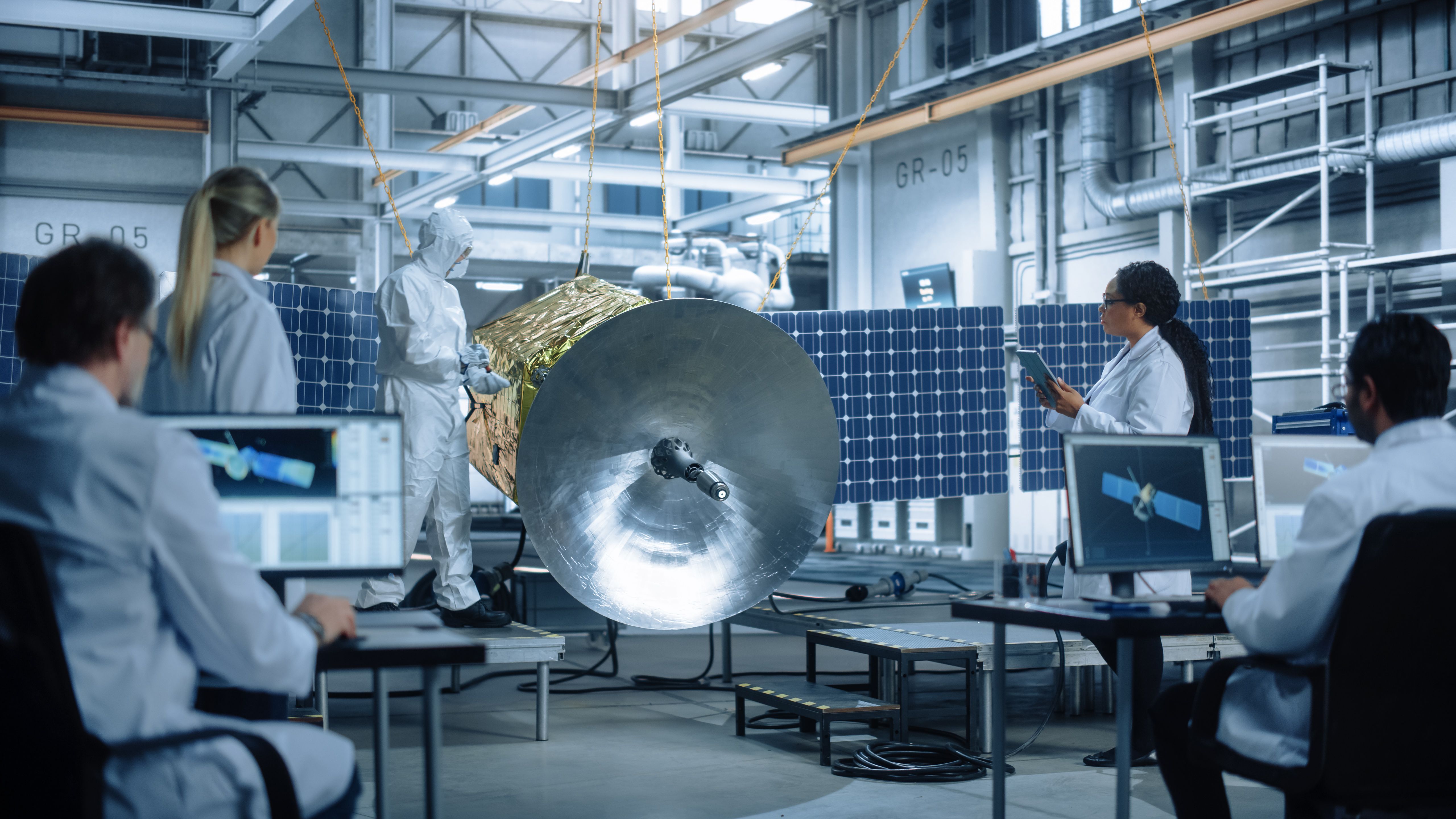
Within a TVAC unit, not only low pressure but precisely controlled temperature gradients must be established across the spacecraft through radiative heat transfer. ERATHERM addresses the whole thermal ecosystem, not isolated components — proving long-term reliability before launch.
- Absolute-vacuum simulation with extreme thermal cycling
- Controlled radiative gradients across the spacecraft
- End-to-end thermal ecosystem, not single components
- Engineering for defense and aerospace qualification
Three Demands of TVAC Thermal Management
The key engineering challenges encountered in the TVAC process.
Achieving temperature stability of ±0.1 °C across extreme ranges from −180 °C to +150 °C.
Preserving material structural integrity during rapid temperature-transition scenarios (thermal cycling).
Using specialized insulation materials that exhibit zero outgassing under vacuum conditions.
The Entire Thermal Ecosystem, End to End
Specialized solutions covering the whole TVAC thermal ecosystem, not just individual components.
01 · Conceptual Design & Thermal Loads
Technical consultancy on spacecraft placement, radiant-shroud positioning and LN₂/gas-phase cycle configuration, with capacity calculations to dissipate internal heat loads during testing.
Detail engineering02 · CFD & Radiative Simulation
As convection does not occur in vacuum, heat transfer is radiation and conduction only. We run Monte Carlo radiative-distribution analysis and thermal analysis to identify leaks and bridges under vacuum.
03 · Implementation, Testing & QC
Application with specialized MLI (multi-layer insulation) blankets and vacuum-compatible details, with quality control from leak testing through thermal-balance verification.
MLI & materials04 · Audit & Optimization
Professional audit of TVAC units with degradation, excessive energy use or unstable cycles — modernization projects that reduce LN₂ consumption and optimize test durations.
Consultancy & audit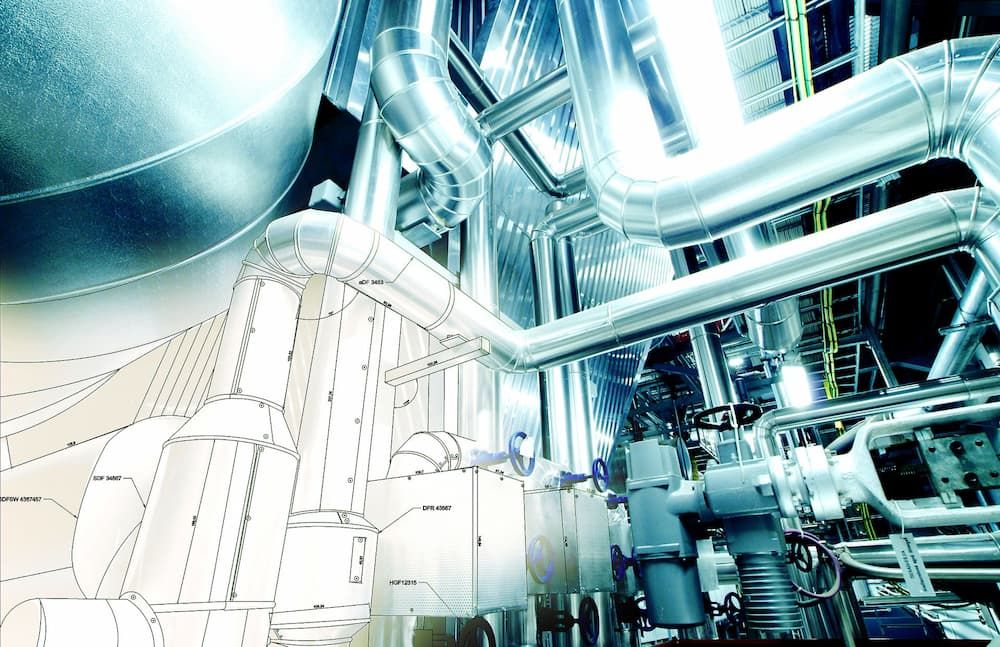
Monte Carlo & CFD Under Vacuum
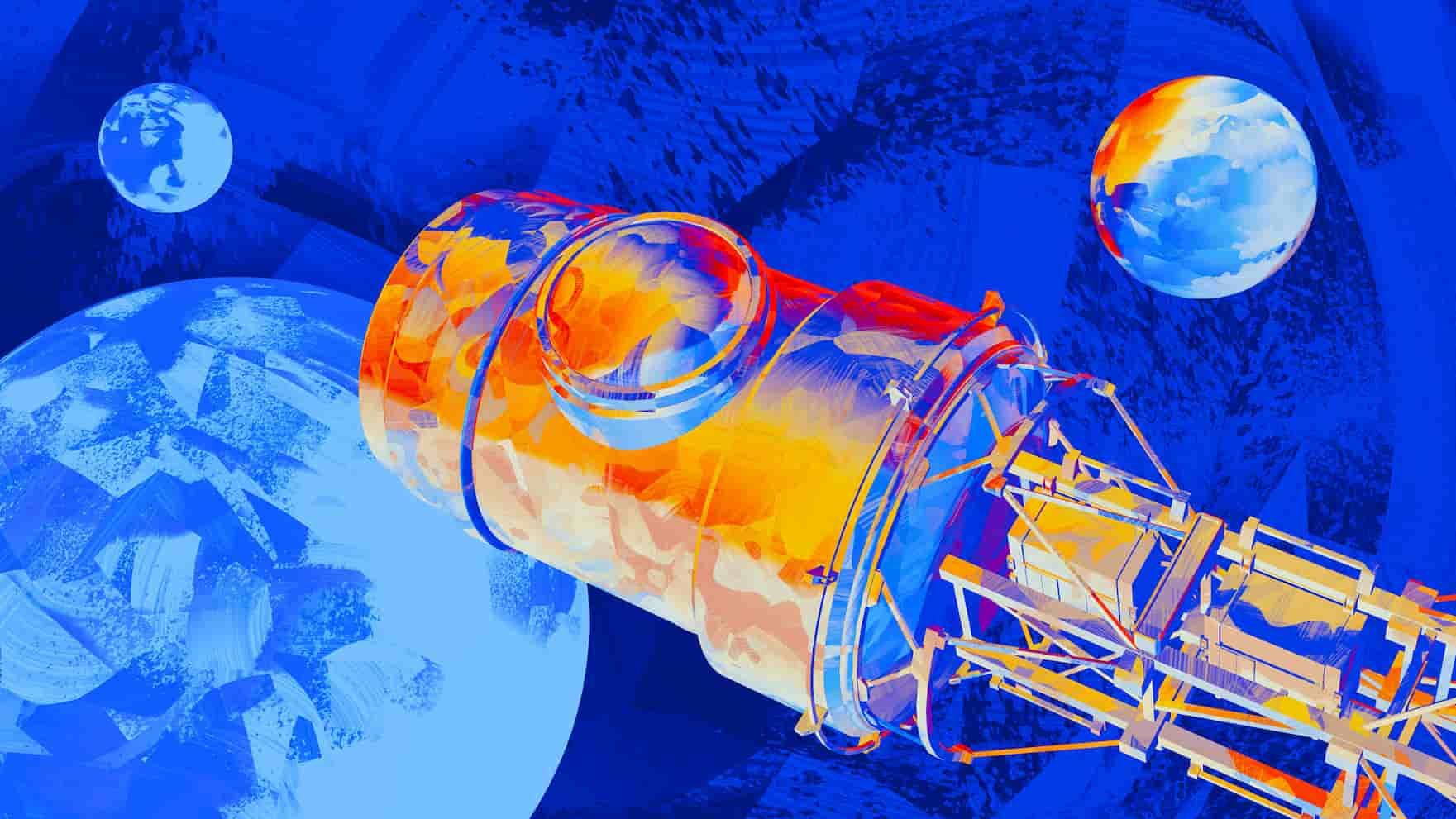
With no convection in vacuum, every watt moves by radiation or conduction — so barrier and shroud performance must be proven by simulation before testing:
- Monte Carlo analysis — radiative heat-transfer distribution between interacting surfaces
- Thermal analysis — identification of thermal leaks and bridges under vacuum
- System-capacity calculation for spacecraft internal heat loads
- Radiant-shroud and LN₂/gas-phase cycle configuration
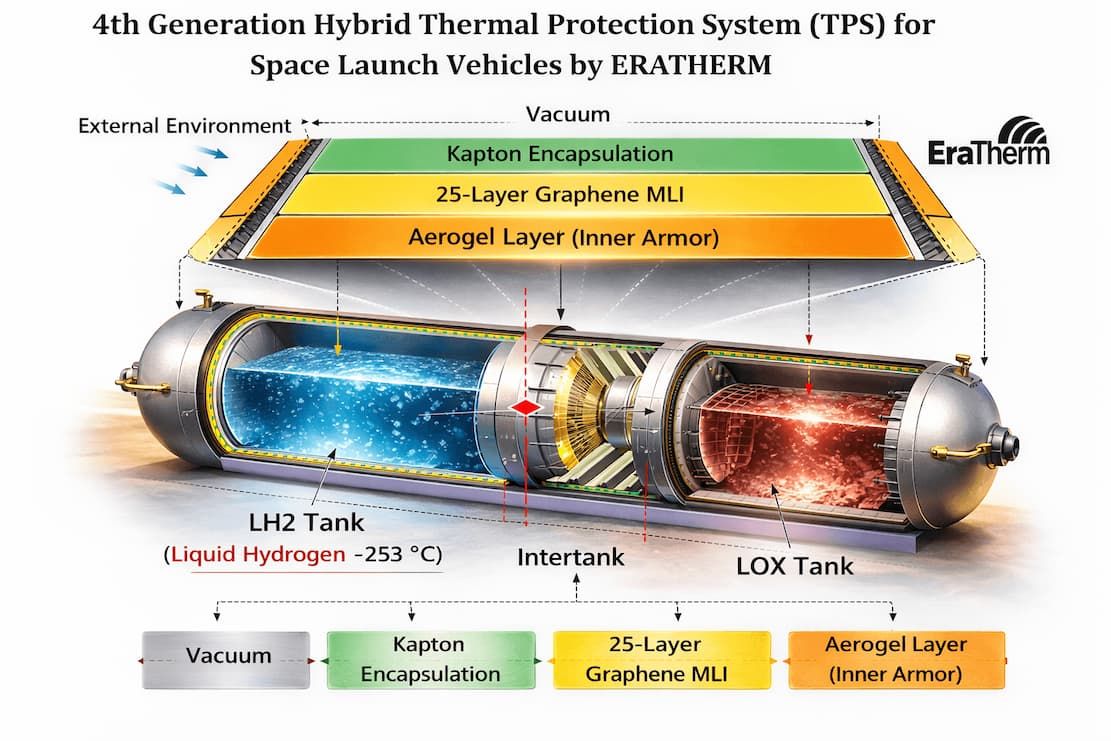
Zero-Outgassing Insulation for Vacuum
TVAC insulation must perform under hard vacuum without releasing gas. ERATHERM implements MLI (multi-layer insulation) blankets and vacuum-compatible details engineered for zero outgassing, holding the chamber's thermal balance stable across the cycle.
- MLI blankets for radiative control in vacuum
- Vacuum-compatible, zero-outgassing insulation details
- Leak testing and thermal-balance verification at every stage
- Material selection aligned with space outgassing requirements
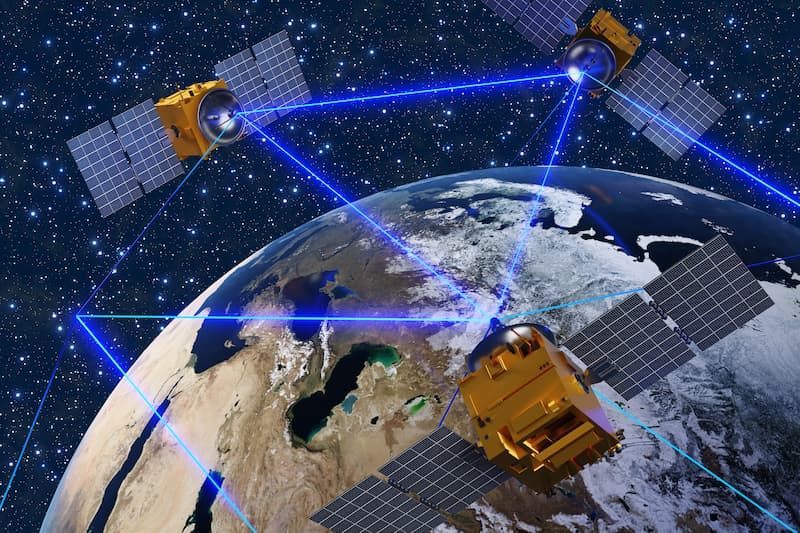
Lower LN₂, Faster Test Cycles
For TVAC units with performance degradation, excessive energy consumption or unstable thermal cycles, ERATHERM analyses the existing system and develops modernization projects:
- Thermal-integrity assessment of operating or test-phase chambers
- Identification of insulation weaknesses and energy losses
- Reduced liquid-nitrogen consumption
- Optimized test durations and cycle stability
Vacuum & Cryogenic Engineering at Space Standards
The vacuum, cryogenic and MLI infrastructure behind ERATHERM's TVAC work is the same discipline that supports long-term partnerships across energy, industrial and defense organizations.































From −180 °C test cycles to ±0.1 °C stability, ERATHERM's references reflect a single standard of engineering precision and scientific computing.
A TVAC Thermal Engineering Partner
Temperature stability across −180 °C to +150 °C.
Monte Carlo and CFD analysis under vacuum.
Vacuum-compatible insulation with zero outgassing.
Concept, simulation, implementation, QC and audit.
Modernization that lowers nitrogen consumption.
Cross-portfolio vacuum and cryogenic heritage.
Across the Aerospace, Defense & Nuclear Portfolio
TVAC thermal control connects to ERATHERM's wider space, defense, nuclear and industrial thermal expertise.
Defense · Aerospace · Nuclear
Engineering & Materials
TVAC Thermal Control — Common Questions
What is TVAC testing and why is thermal management critical?
Thermal Vacuum Chamber (TVAC) testing is one of the most demanding qualification processes for spacecraft and satellite components on Earth, simulating the absolute vacuum of space and extreme thermal cycles. Within a TVAC unit, not only low pressure but precisely controlled temperature gradients must be established across the spacecraft through radiative heat transfer.
What temperature precision and range does TVAC require?
TVAC testing requires temperature stability of ±0.1 °C across extreme ranges from −180 °C to +150 °C, while managing thermal-shock during rapid temperature transitions (thermal cycling) without compromising material integrity.
Why is zero outgassing important in TVAC insulation?
Under vacuum, insulation materials must exhibit zero outgassing so they do not release gases that would contaminate the spacecraft or destabilize the vacuum. ERATHERM uses MLI and vacuum-compatible insulation details engineered for zero outgassing.
How is heat transfer simulated for TVAC?
Because convection does not occur in vacuum, heat transfer is governed solely by radiation and conduction. ERATHERM uses Monte Carlo analysis to simulate radiative heat-transfer distribution between interacting surfaces and thermal analysis to identify leaks and thermal bridges under vacuum.
What does ERATHERM's TVAC service cover?
The entire TVAC thermal ecosystem: conceptual design and thermal-load calculations, CFD and radiative simulation, MLI and vacuum-compatible insulation implementation, leak testing and thermal-balance verification, and audit and optimization.
Can ERATHERM optimize an existing TVAC chamber?
Yes. For TVAC units experiencing performance degradation, excessive energy consumption or unstable thermal cycles, ERATHERM analyses the existing system and develops modernization projects that reduce liquid-nitrogen consumption and optimize test durations.
Engineer Precision Into Your TVAC Testing
From conceptual design and Monte Carlo radiative simulation to MLI insulation, leak testing and LN₂-saving audits — end-to-end TVAC thermal engineering for spacecraft and satellite qualification.