Seams, Flashings and Terminations
Open overlaps, damaged jacketing, unsealed ends and poorly oriented seams can admit rain, washdown water and wind-driven moisture.
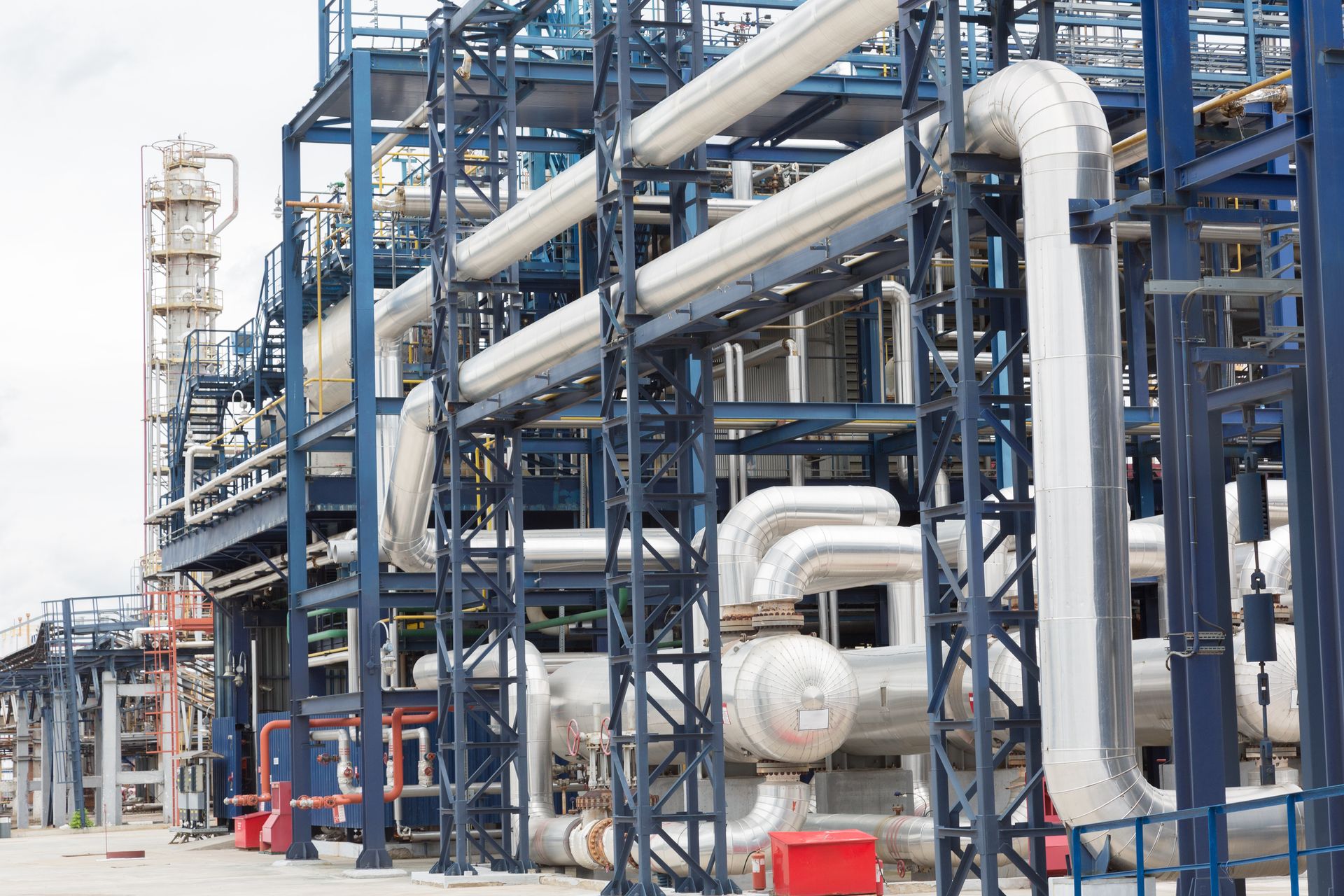
ERATHERM combines risk-based CUI surveys, targeted insulation removal, qualified NDT coordination and corrosion-prevention insulation design to identify hidden damage and reduce recurring moisture-related corrosion in piping, tanks and process equipment.
Corrosion under insulation develops when water, oxygen and contaminants reach the metal surface beneath an insulation system. The outer jacketing may still appear serviceable while localised or widespread degradation progresses out of sight.
For carbon and low-alloy steels, the damage can include external corrosion, pitting and local wall loss. For austenitic and duplex stainless steels, moisture and chlorides can contribute to external chloride stress corrosion cracking. Temperature cycling, damaged weatherproofing and moisture-retaining details can intensify both mechanisms.

CUI risk is not uniform. Inspection locations should follow operating temperature, geometry, environmental exposure, maintenance history and consequence—not random insulation removal alone.
Open overlaps, damaged jacketing, unsealed ends and poorly oriented seams can admit rain, washdown water and wind-driven moisture.
Metal penetrations, load-bearing inserts and inaccessible crevices can interrupt drainage, coating and weatherproofing continuity.
Geometry changes, small-bore connections, thermowells and tracing penetrations require maintainable, water-shedding closures.
Repeated access, leakage history and improvised reinstatement can leave gaps, moisture traps and damaged insulation.
Tank-roof edges, vessel skirts, support legs, saddles and fireproofing transitions concentrate difficult sealing and drainage details.
Frequent thermal cycling, steam tracing, firewater, chemical washdown and marine chloride exposure can elevate risk.
ERATHERM structures the insulation work around the integrity programme: prioritise, screen, open, examine, redesign, reinstate and document.
No single technique is universally suitable. Method selection depends on geometry, insulation thickness, operating condition, required sensitivity, access and the owner’s inspection plan.
| Method | Primary Use | What It Can Support | Important Limitation |
|---|---|---|---|
| External Visual Survey | Inspect jacketing, seams, penetrations, leakage evidence and damaged details. | Risk ranking and selection of priority areas. | Does not directly show the condition of concealed metal. |
| Infrared Thermography | Screen for thermal anomalies that may indicate wet insulation or heat-flow differences. | Area prioritisation when operating and environmental conditions are suitable. | Does not independently prove corrosion or quantify remaining wall thickness. |
| Pulsed Eddy Current — PEC | Screen approximate average wall loss through insulation and jacketing. | Comparison and prioritisation across suitable piping or equipment areas. | Results are influenced by geometry, supports, lift-off, insulation thickness and calibration. |
| Profile Radiography | Evaluate selected pipe profiles and potential wall loss without full stripping. | Local screening where size, access and radiation controls permit. | Coverage, component size and radiation-safety requirements can restrict use. |
| Guided-Wave UT | Screen longer pipe lengths from selected test locations. | Identify areas for follow-up examination. | It is not a substitute for local, accurate thickness measurement. |
| Targeted Stripping + Visual/UT | Expose metal for direct examination and defined NDT. | Confirm surface condition and collect local thickness data. | Requires controlled removal, coating disposition and qualified reinstatement. |
NDT procedures, personnel qualification, acceptance criteria and final integrity decisions remain under the responsible owner, inspection authority and applicable equipment or piping code.
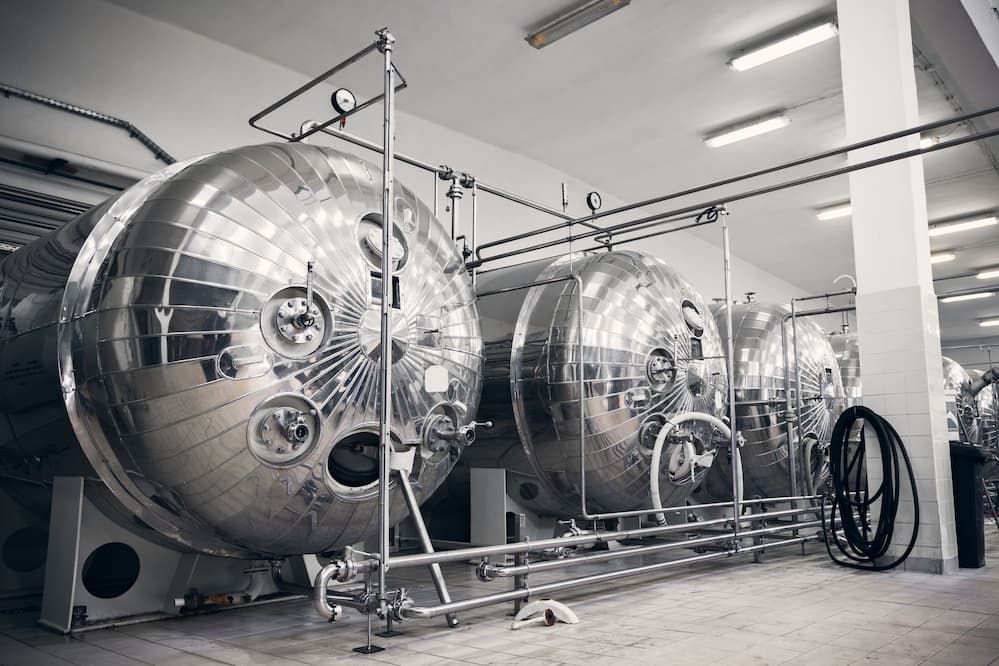
CUI cannot be controlled by choosing one insulation material in isolation. The protective coating, insulation, jacketing, fasteners, sealants, penetrations, drainage, maintenance access and installation quality must operate as one coordinated system.
The damage mechanism, coating strategy, insulation chemistry and inspection focus change with the substrate material and operating environment.
Water and oxygen, coating breakdown, wet/dry cycling and contaminants can produce general corrosion, pitting and local metal loss beneath insulation.
Moisture, chloride concentration, stress and temperature can contribute to external chloride stress corrosion cracking in susceptible stainless steels.
Insulation, mastics, sealants and contaminants are reviewed for compatibility; ASTM C795, C692 and C871 may support specified qualification.
Coating condition, corrosion morphology, crack detection and remaining-thickness assessment require methods selected for the expected mechanism.
When corrosion is found, the metal condition is recorded and transferred to the owner’s responsible integrity team. Repair or replacement decisions must be completed before the coating and insulation system is reinstated.
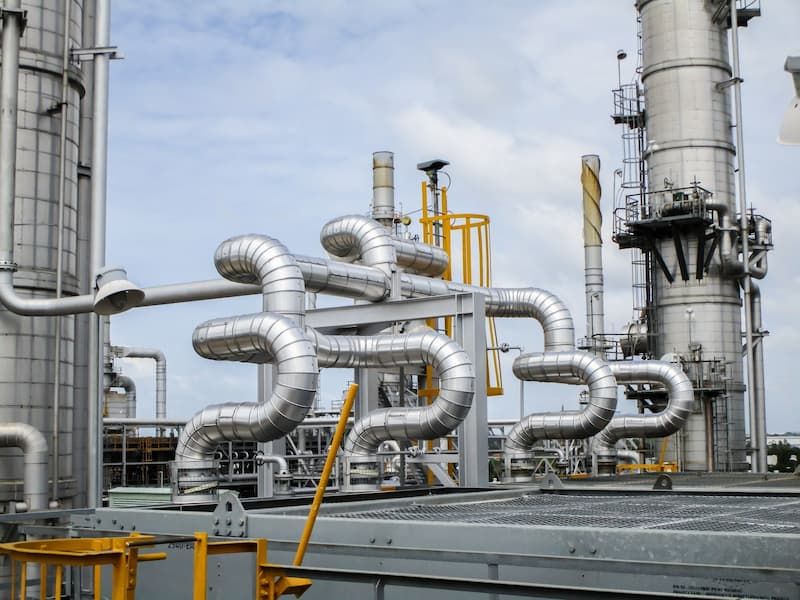
The inspection and insulation scope can be phased around operating access, scaffold strategy, NDT resources, coating cure windows and the shutdown schedule.
Build the asset register, risk map, access plan, likely stripping quantities, repair scenarios, materials and work packs before the critical outage window.
Coordinate controlled opening, inspection access, repair release, coating, re-insulation, jacketing, QA/QC and daily progress control.
Use suitable non-intrusive screening to prioritise areas and define the next shutdown scope without overstating the certainty of the result.
Applicable editions, owner specifications and contractual precedence must be confirmed for each facility.
ERATHERM combines insulation engineering, high-volume industrial field execution and QA/QC. This allows inspection findings to become practical drawings, work packs, material schedules and maintainable site details.
Share the line and equipment register, operating temperatures, materials, insulation and coating history, previous findings, drawings, access constraints and shutdown schedule. ERATHERM can structure the survey, opening, prevention design and reinstatement package around the facility’s actual risk profile.
CUI likelihood, inspection methods, opening locations, NDT scope, coating system, insulation materials, jacketing, drainage, support and penetration details, repair decisions, acceptance criteria and applicable standards are project-specific. Remaining life, fitness for service and permission to continue operation must be determined by the responsible owner or integrity authority using verified inspection data, applicable equipment or piping codes and approved process conditions. References on this page provide an engineering framework and do not imply that every standard or method applies to every asset.