Industrial Thermal and Cryogenic
Insulation Engineering
ERATHERM delivers industrial thermal and cryogenic insulation system design, material procurement, field application and performance verification under one team for energy, process and advanced-technology facilities. We develop calculable and field-applicable systems for refinery, power, petrochemical, LNG, defense, space systems, cryogenic storage and critical-infrastructure projects.
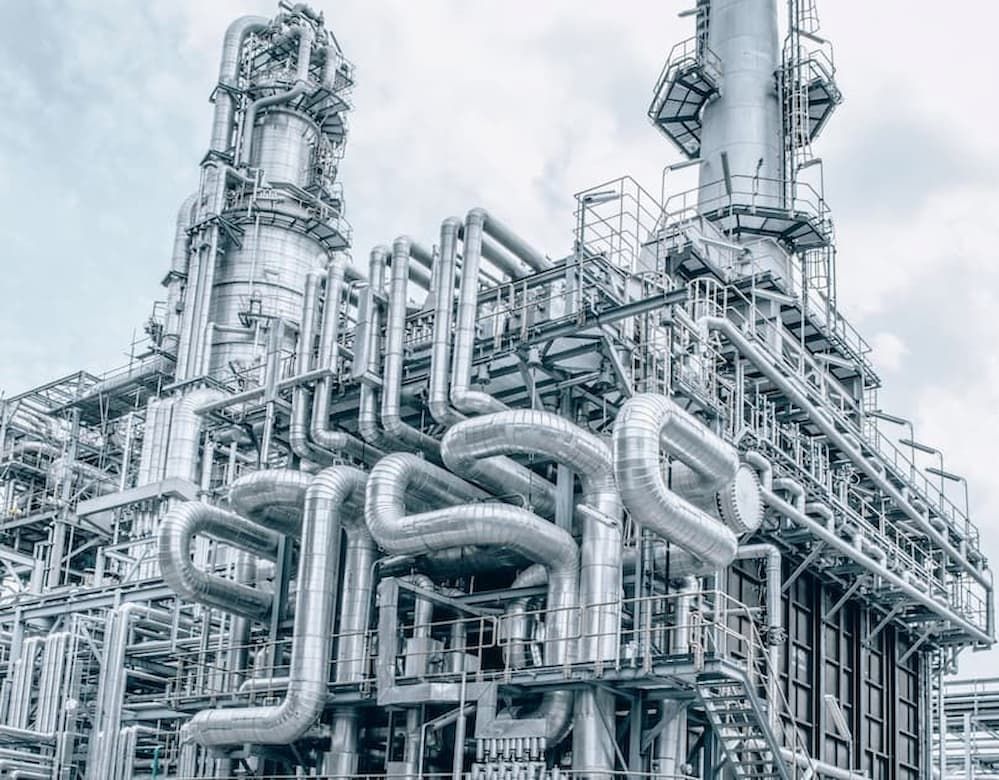
Single Accountability from Design to Performance Verification
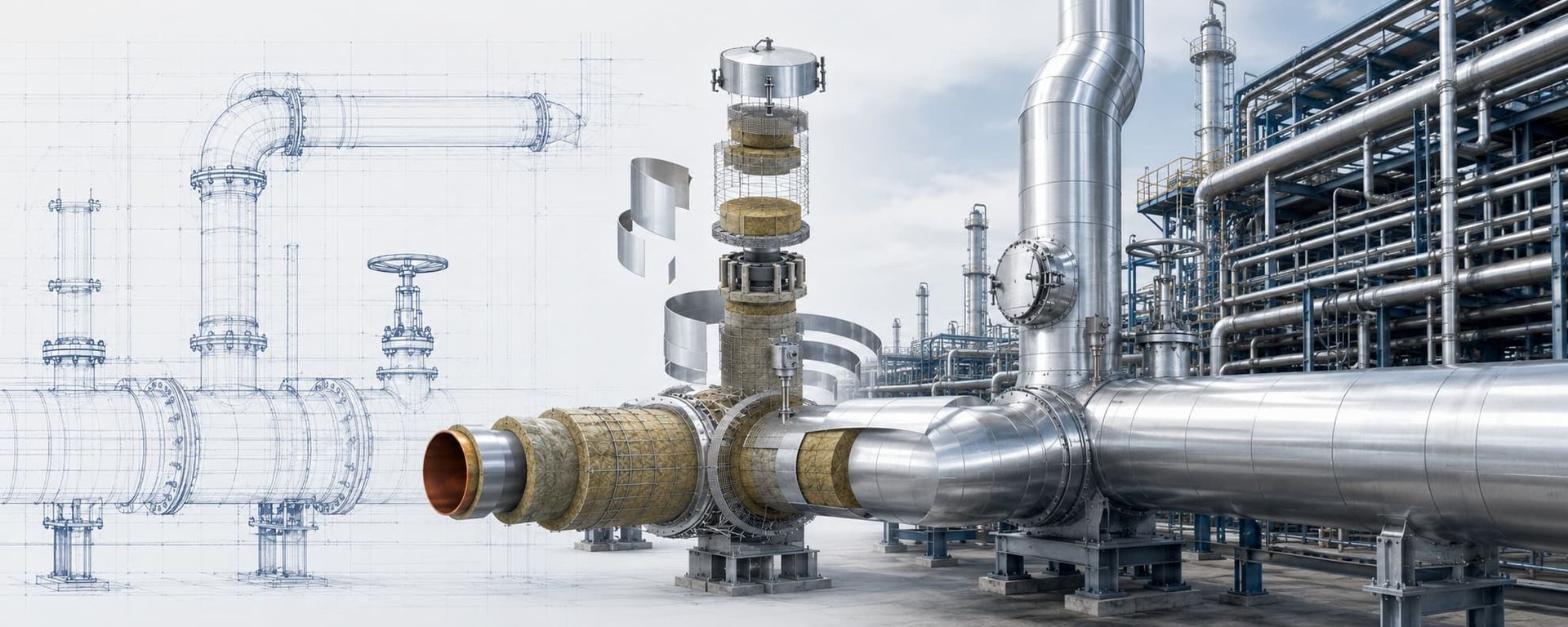
ERATHERM treats insulation not merely as a material-and-cladding job, but as an engineering system in which the three fundamental heat-transfer mechanisms — conduction, convection and radiation — are evaluated together with process safety, corrosion control, maintenance access and life-cycle cost.
Our field experience feeds design decisions; calculations, technical specifications, drawings and quality plans are translated into applicable details. Depending on project needs, engineering, material procurement, field application, inspection and commissioning are delivered under a single contract or as independent packages.
Calculable design. Applicable detail. Verifiable performance.
About Us ›Industrial Thermal Insulation Engineering for Process Plants
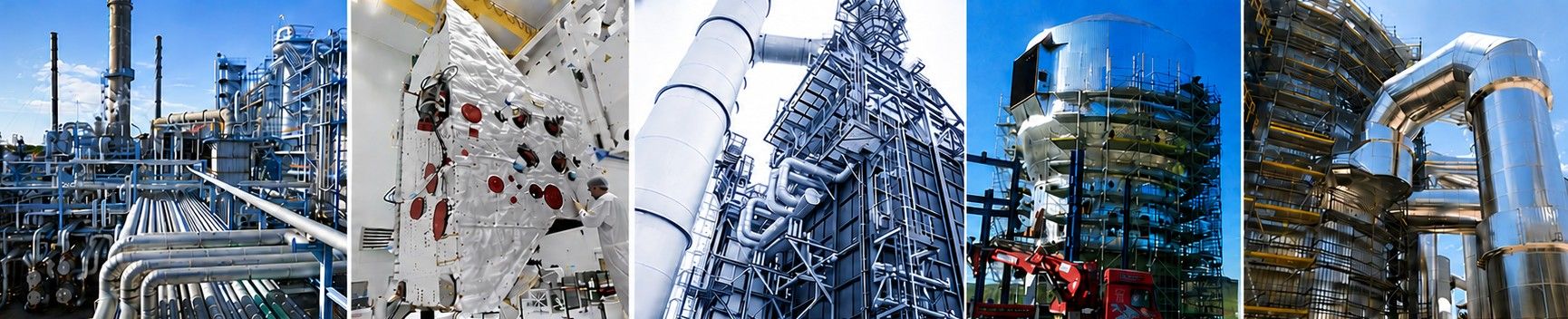
ERATHERM engineers and delivers hot-service insulation systems for industrial piping, equipment, tanks, turbines, boilers, furnaces and ductwork—from thermal calculation and detail design through material supply, field installation and QA/QC.
Industrial thermal insulation must do more than cover a hot surface. The complete system must limit heat loss, maintain the required process temperature, keep accessible surfaces within the project’s personnel-protection criteria and remain serviceable under vibration, weather, wash-down, mechanical loading and repeated thermal cycles.
ERATHERM evaluates operating and design temperatures, equipment geometry, ambient conditions, wind exposure, emissivity, insulation thermal conductivity, corrosion-under-insulation risk, access requirements and plant maintenance strategy together. The resulting material, thickness, layer sequence, support and metal-cladding details are defined for the actual project—not selected from a generic material schedule.
Our engineering team converts these inputs into an applicable insulation package aligned with contract requirements, project specifications, approved manufacturer data and relevant ASTM, ISO and CINI criteria. The same technical basis then continues through procurement, construction, inspection and performance verification.
- 01
Thermal Performance
Heat-loss, surface-temperature and economic-thickness calculations based on project operating conditions.
- 02
System Architecture
Material type, layer arrangement, thickness, reinforcement, support, expansion and termination details.
- 03
Weather & CUI Control
Cladding, joints, penetrations, drainage and sealing details developed to reduce water-ingress exposure.
- 04
Installation & Verification
Constructability review, material traceability, ITP checks, field QA/QC and post-installation verification.
Industrial Thermal Insulation Systems We Design and Install
The insulation configuration changes with equipment geometry, operating duty, maintenance access and exposure. We develop each application as part of one coordinated plant-wide system.
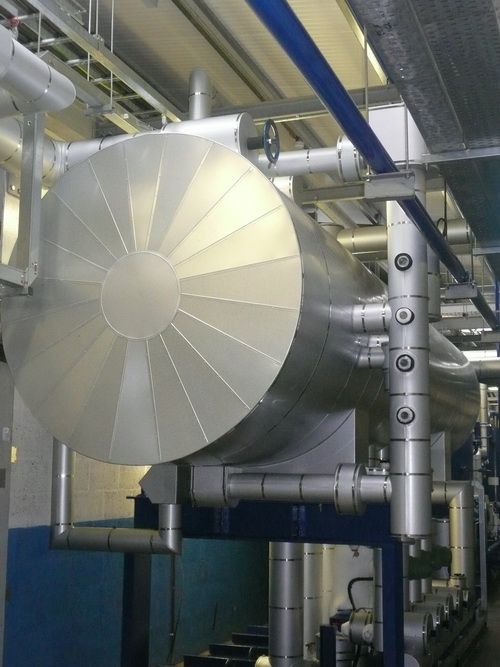
Hot Process Piping & Equipment
Engineered insulation for piping, elbows, valves, flanges, heat exchangers, columns and vessels, including removable access where required.
Explore Thermal Insulation Systems ›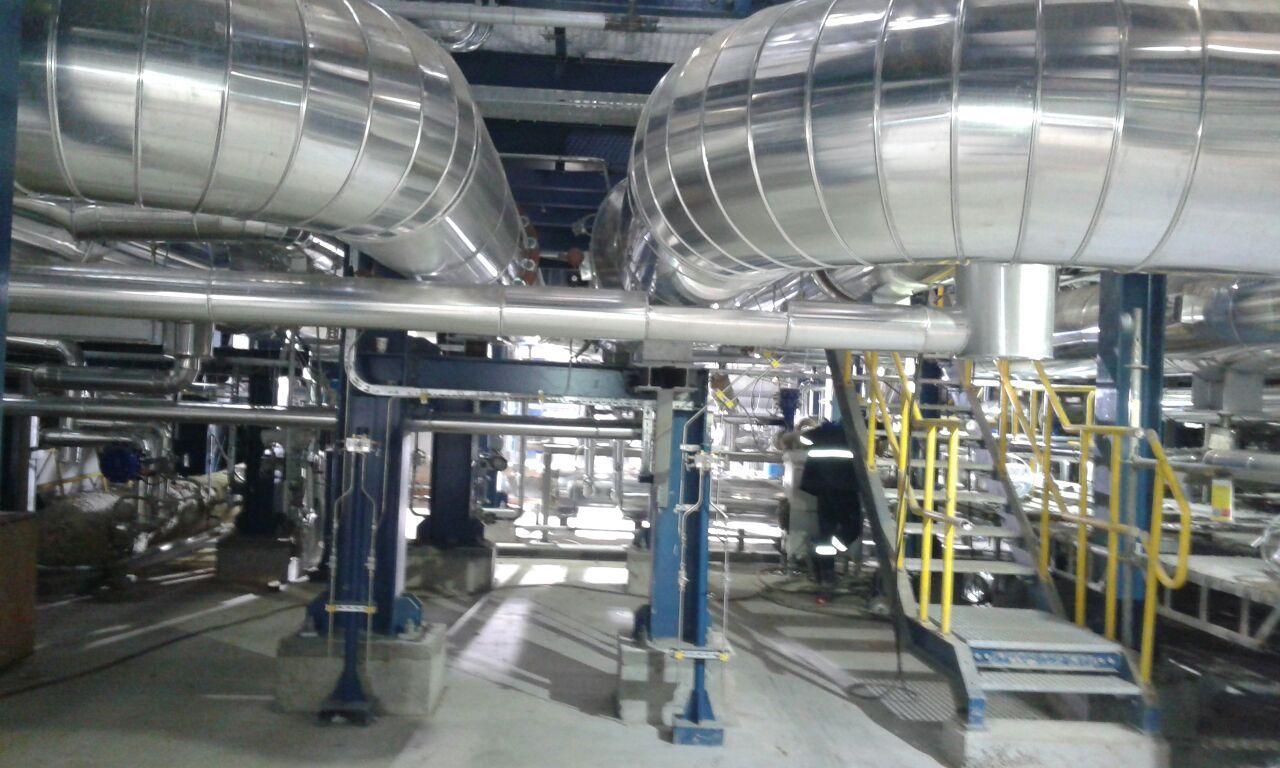
Turbines, Boilers & Furnaces
High-temperature systems designed around complex geometry, thermal cycling, inspection access, personnel protection and safe removal.
Explore Turbine Insulation ›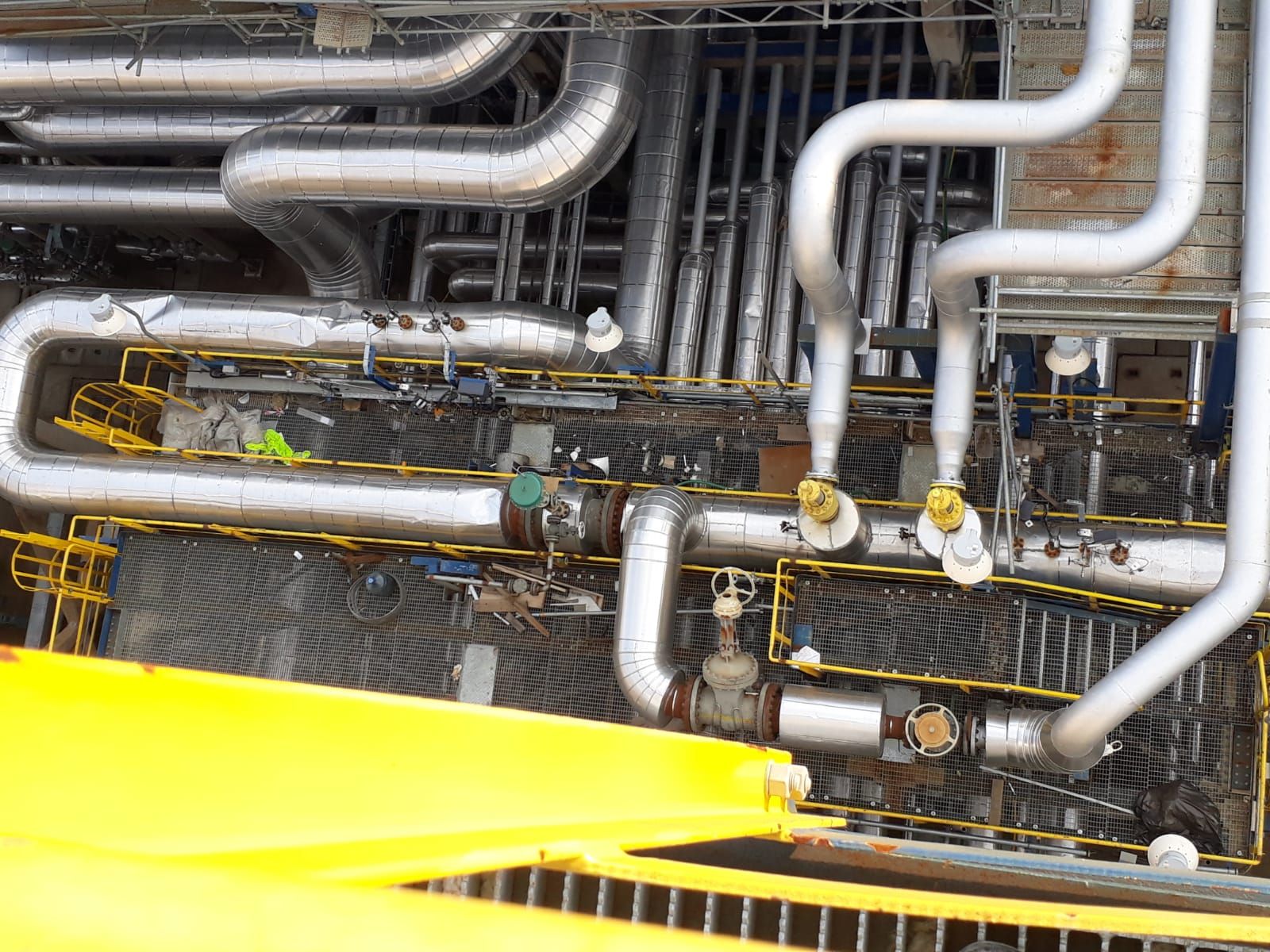
Tanks, Vessels & Ductwork
Large-surface systems integrating structural support, wind loading, thermal expansion, cladding stability and water-shedding details.
Explore Tank Insulation ›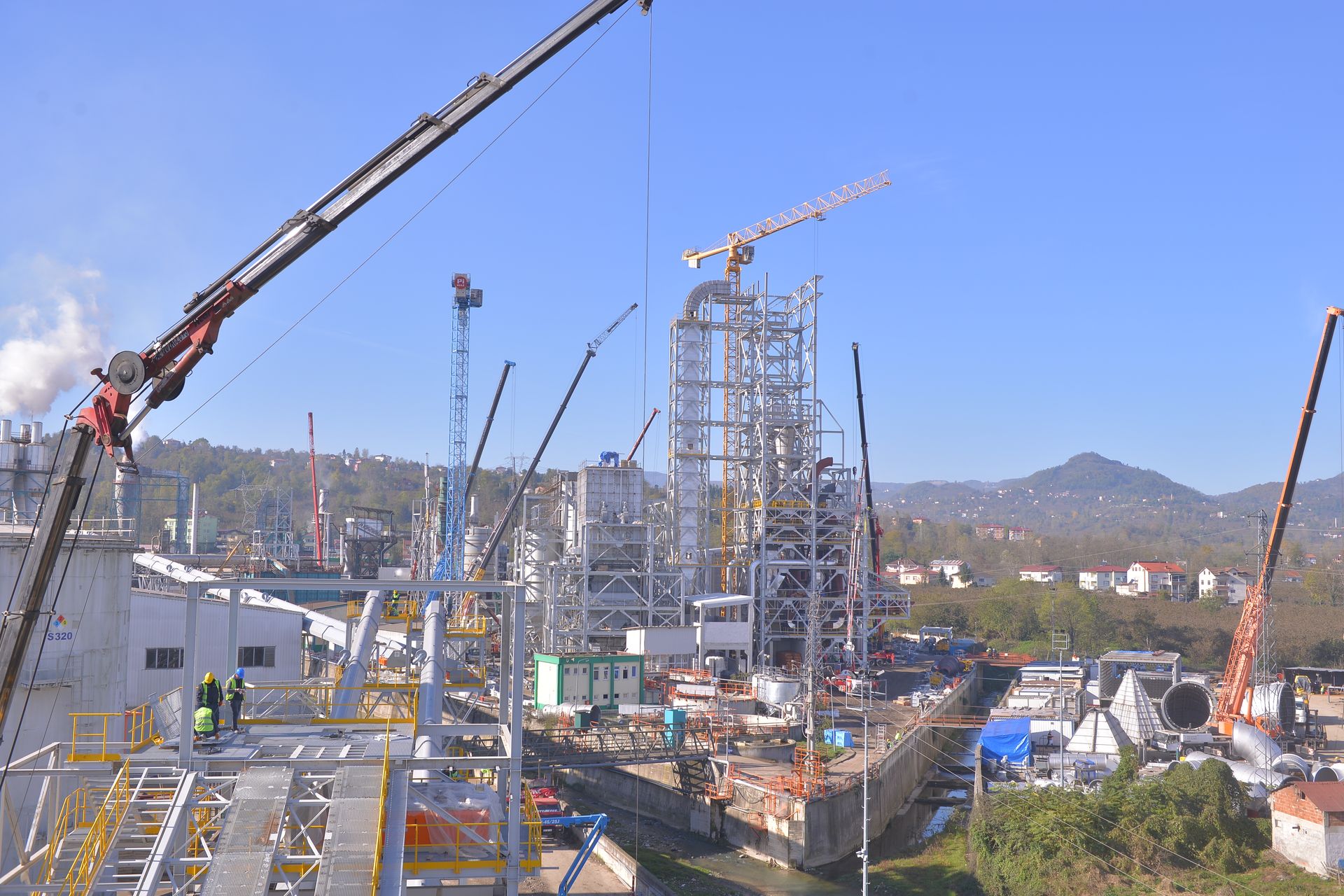
Retrofit, CUI & Turnaround Work
Condition assessment, insulation removal and reinstatement, detail improvement and schedule-controlled execution during live-plant maintenance or shutdowns.
Explore Turnaround Services ›From Thermal Calculation to Installed and Verified Insulation
For new plants, expansions and retrofit projects, ERATHERM can undertake the complete scope or a defined package: design basis, calculations, specifications, drawings, MTO/BOM, material selection and supply, prefabrication, site installation, ITP-based inspection, thermographic screening and turnover documentation.
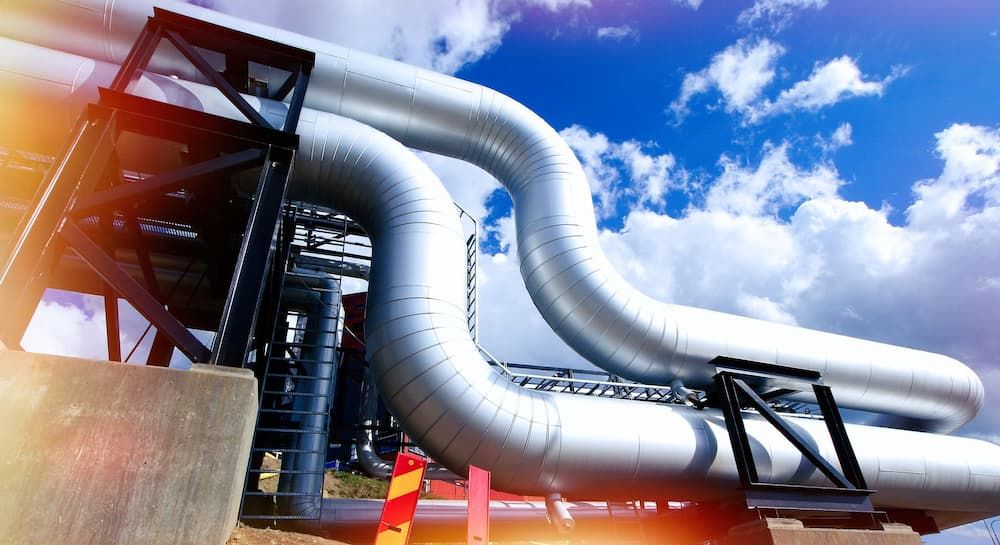
We Manage the Entire Life Cycle of an Insulation System
From reviewing project data to commissioning and maintenance, every stage is executed under the same technical approach.
1. Engineering & System Design
Determination of material, thickness and system architecture through heat loss/gain, surface temperature, condensation, CUI, thermal-bridge and expansion analyses.
Explore the Engineering Process ›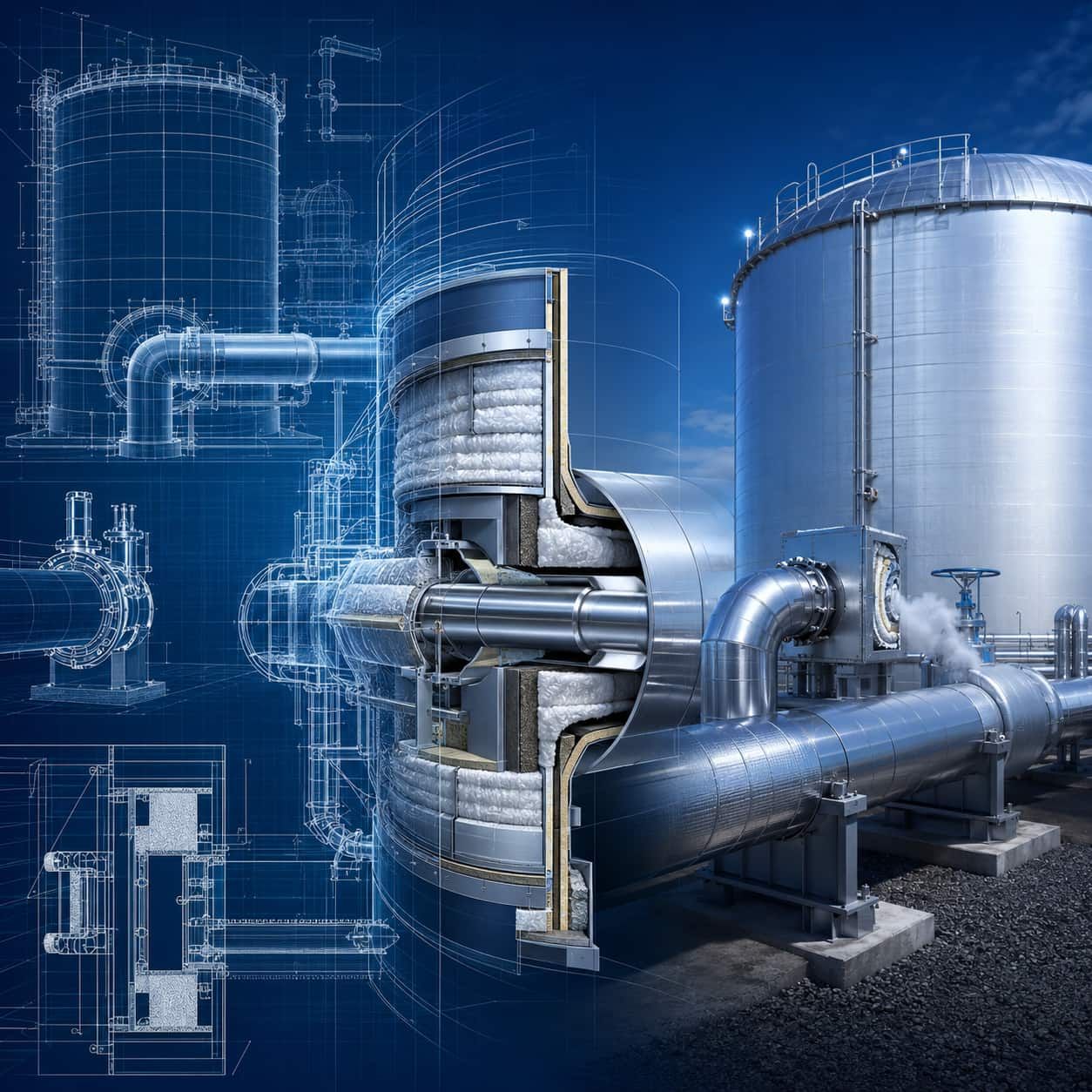
2. Material & Procurement Management
Management of datasheets, technical bid evaluation, vendor documents, material compliance, traceability and project logistics.
Explore the Materials Library ›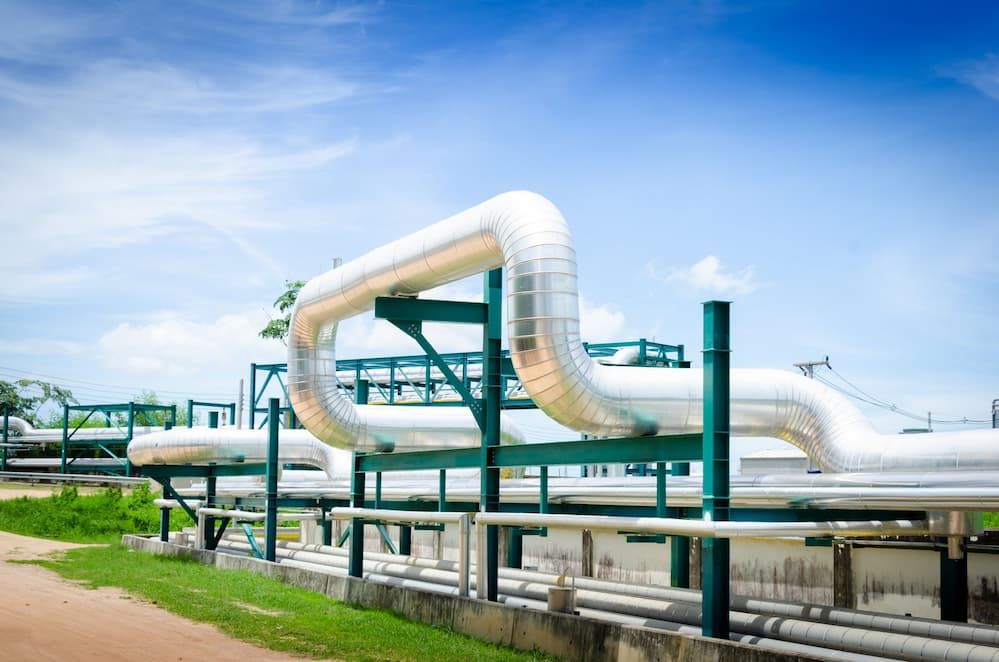
3. Field Application & Construction Management
Mobilization, scaffolding, insulation installation, metal cladding, site coordination and safe execution of the work schedule.
Explore Field Application ›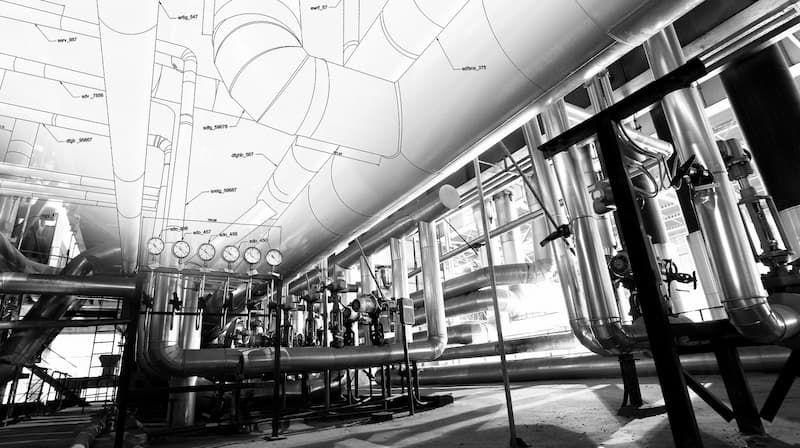
4. QA/QC, Commissioning & Maintenance
ITP, hold/witness points, thermography, punch lists, performance checks, maintenance and handover dossiers.
Explore Inspection & QA/QC ›Project Experience Documented with Measurable Scopes
Our project records are classified by sector, delivery scope, application quantity, man-hours, schedule and quality outputs. Work under non-disclosure agreements is anonymized while protecting client and system security.
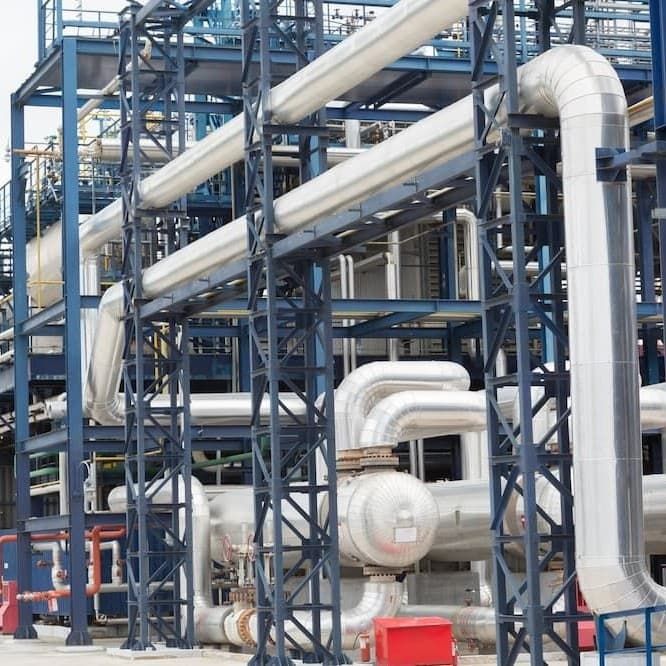
Refinery & Petrochemical
Pipe and equipment insulation across SOCAR, Tüpraş and Tekfen projects.
View Details ›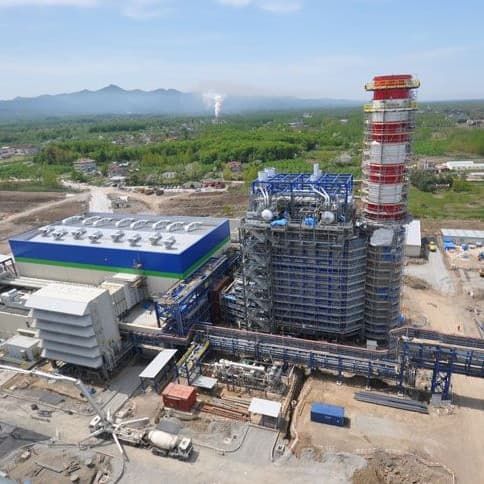
Power Plants
Insulation on RWE, OMV and Cengiz Holding CCPP and thermal power projects.
View Details ›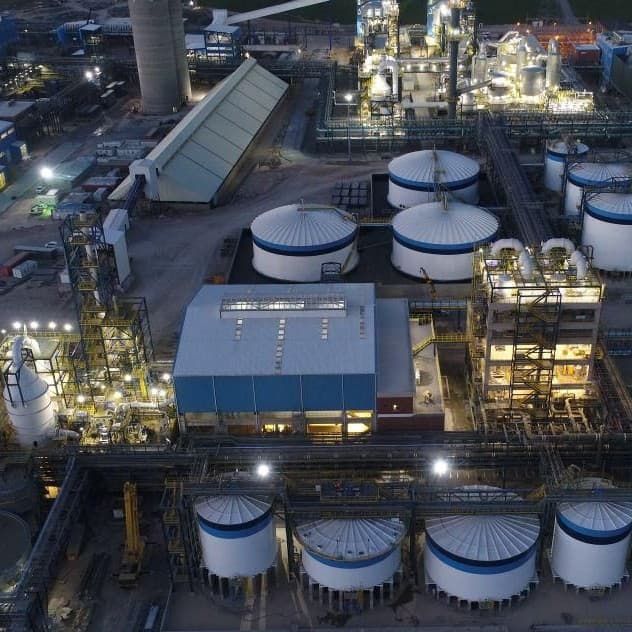
Mining & Metallurgy
Long-term insulation contracts at Eti Bakır, Eti Alüminyum and Alkim facilities.
View Details ›
Critical Infrastructure
International airport projects including the IGA Istanbul Airport ATC control tower.
View Details ›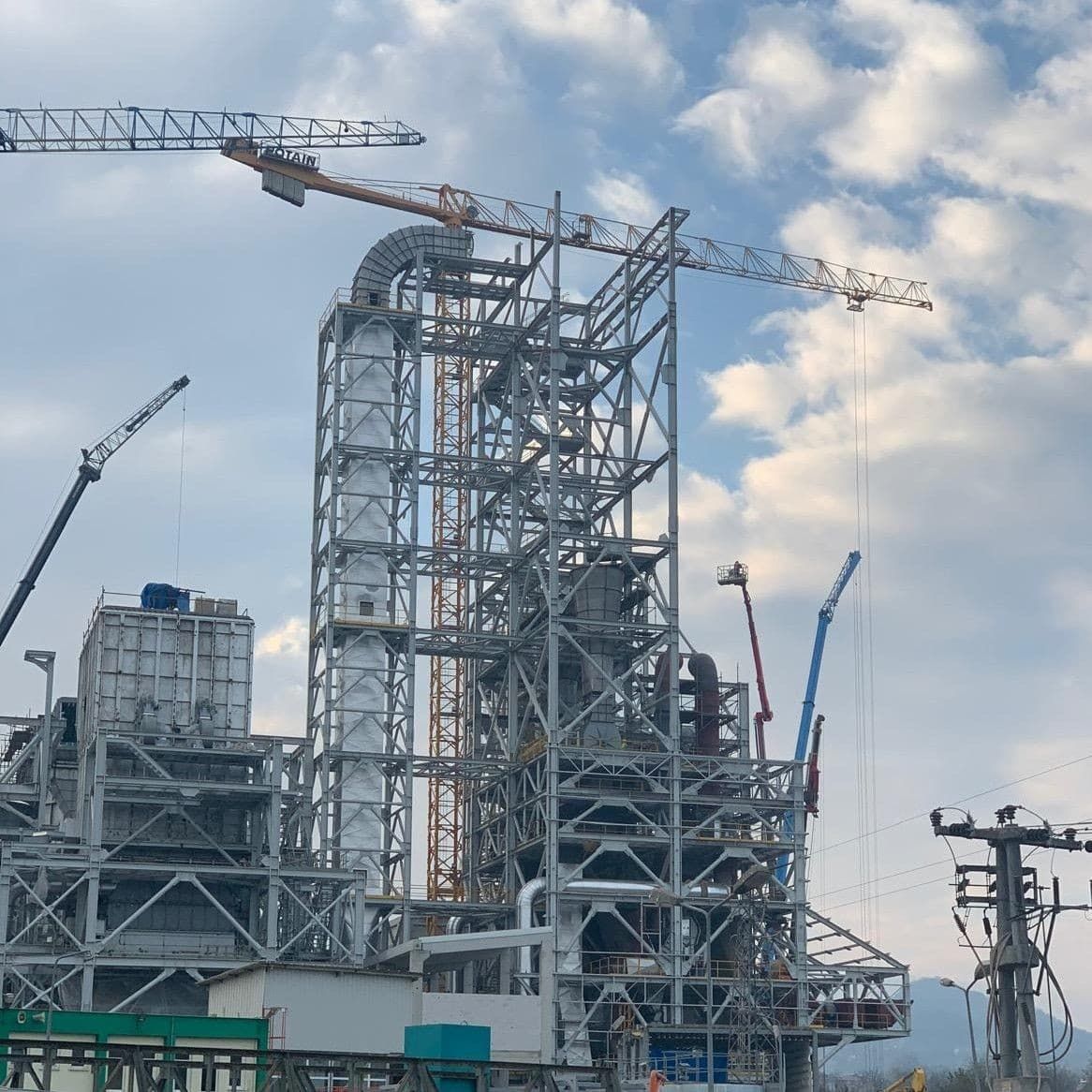
EPC Turnkey Projects
Turnkey EPC delivery from workshop fabrication to construction, installation and commissioning.
View Details ›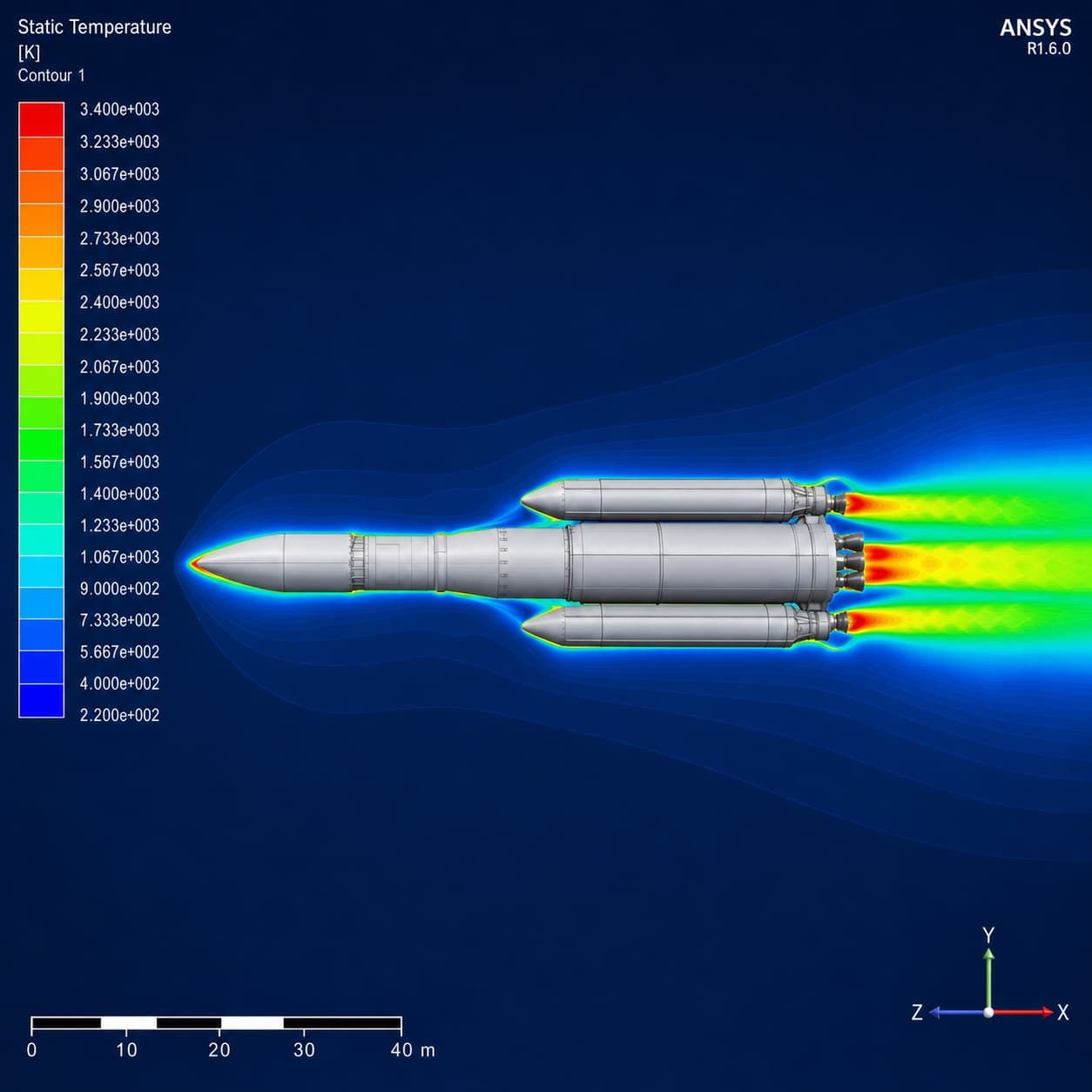
Defense, Aerospace & Space
Project details are not published under non-disclosure agreements; explore our capabilities.
View Details ›Applicable Documentation from Calculation to Field Detail
Design inputs are transformed into calculation reports, system selections, application drawings, take-offs and quality documents. 3D/BIM modeling and numerical analysis support are provided when required.
Thermal & Cryogenic Analysis
Heat loss/gain, surface temperature, condensation, water-vapor diffusion, heat-leak, thermal-bridge and transient analyses.
Explore the Analysis Process ›System Selection & Detail Design
Material/thickness optimization, layer sequencing, supports, expansion, cladding, vapor barrier and maintenance-access details.
Explore System Design ›Technical Documentation
Design basis, calculation report, datasheet, technical specification, shop drawing, MTO/BOM, method statement, ITP and as-built/QC dossiers.
Explore Documentation ›Insulation Engineering for Advanced-Technology and Strategic Facilities
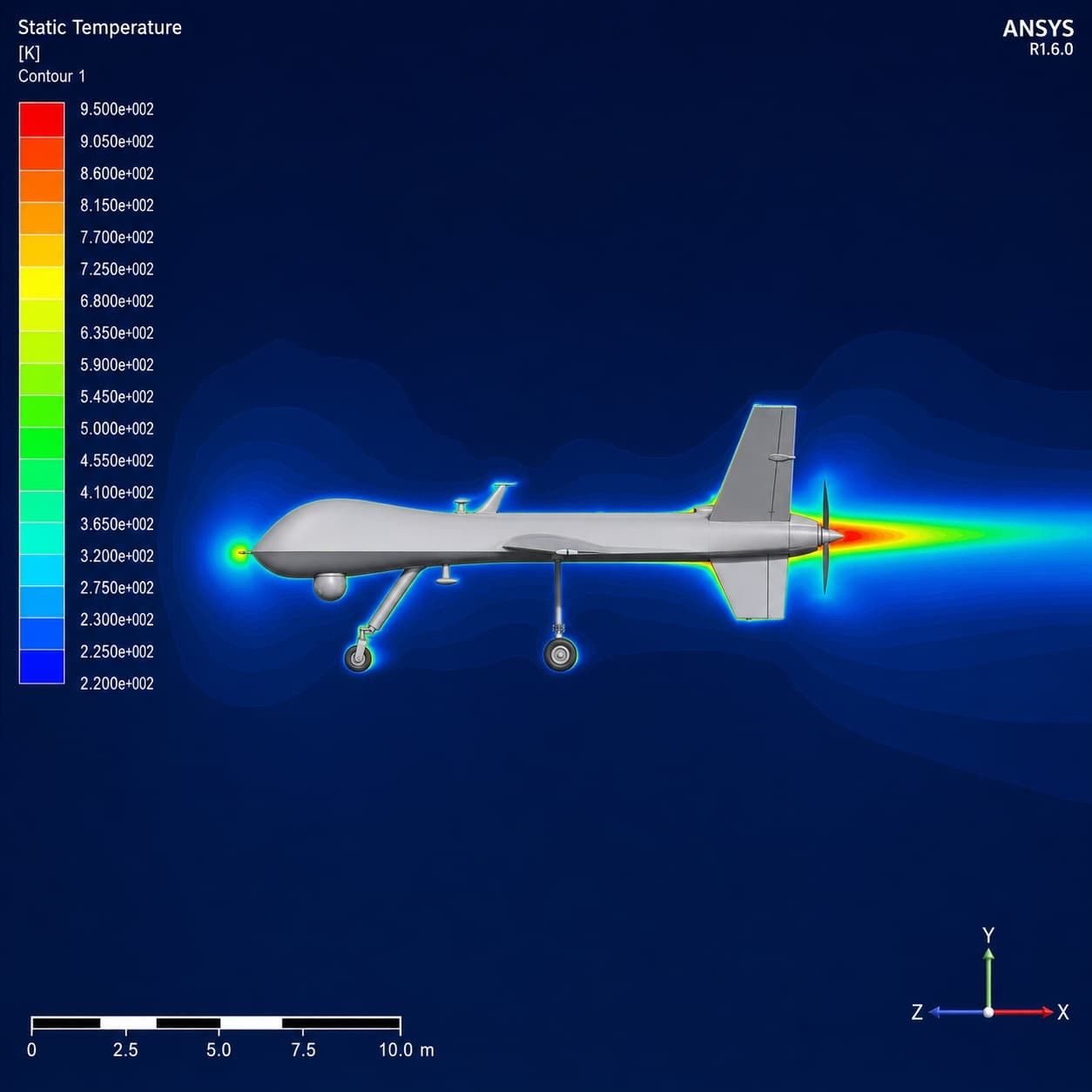
In defense, aerospace, space, nuclear and marine platforms, thermal control, cryogenic transfer, acoustic performance and environmental durability criteria are evaluated together with project requirements.
 Conceptual / Engineering Visual
Defense, Aerospace & Space
Calculation and system design for TVAC and thermal-test infrastructures, cryogenic fueling/transfer systems, thermal stabilization and IR-signature management.
Explore Defense Solutions ›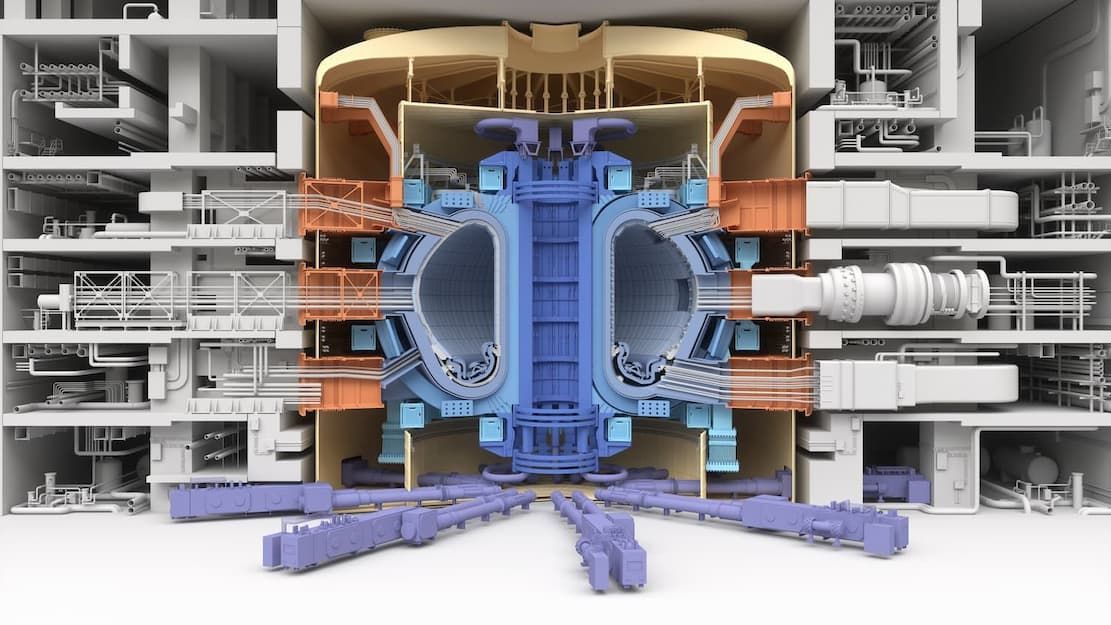 Conceptual / Engineering Visual
Nuclear & Critical Energy Systems
Evaluation of project-specific codes, materials, maintenance access and quality requirements for RPV, PCCS and thermal-barrier applications.
Explore Nuclear Solutions ›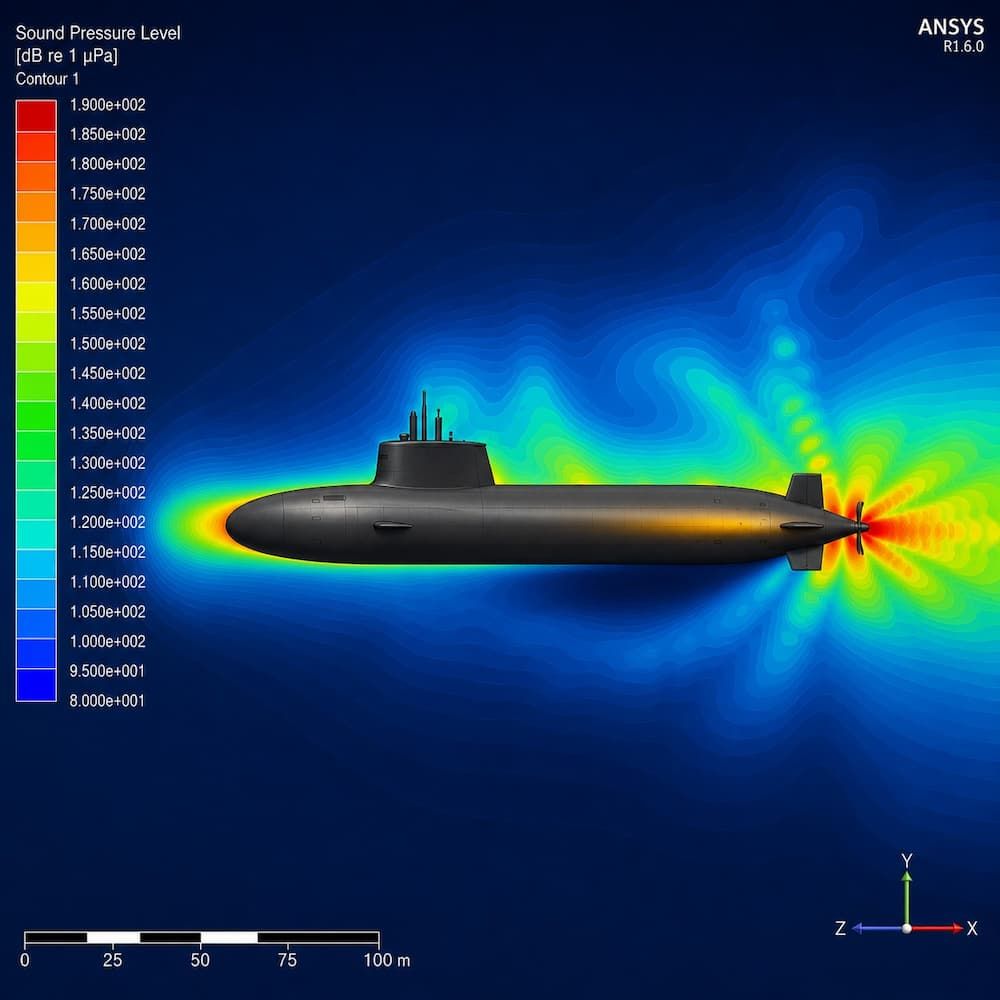 Conceptual / Engineering Visual
Marine & Military Platforms
Integrated system solutions where thermal, acoustic, vibration, fire and corrosion requirements are addressed together.
Explore Marine Platforms ›Thermal, Cryogenic and Specialized Insulation Systems
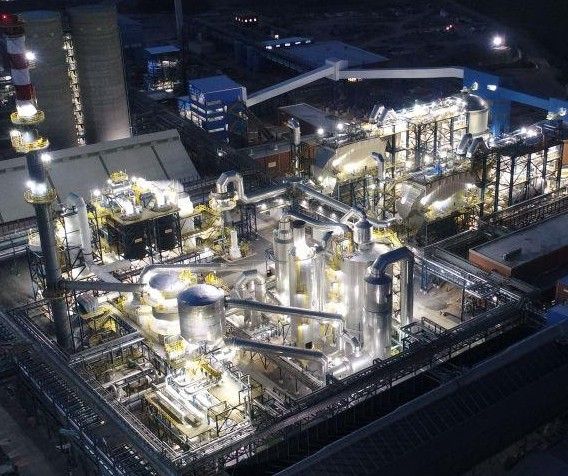
A correct insulation system is not defined by a single material. Operating temperature, ambient conditions, water-vapor transmission, fire risk, corrosion, maintenance strategy and life-cycle cost are evaluated together; ERATHERM determines the system architecture and material combination according to these criteria.
From thermal insulation that limits heat loss at high temperature to cryogenic systems that manage condensation and heat-leak risk in fluids such as LNG, LH₂ and ammonia, every application requires a distinct design. Mineral wool, aerogel, PIR/PUR and cellular glass work as an integrated system with layer architecture, vapor barrier and outer cladding.
In cryogenic storage and advanced-technology infrastructures, vacuum and MLI architectures come into play; this approach delivers energy efficiency, CUI control and personnel protection at the same time.
Thermal Insulation
Energy-, process- and personnel-protection-focused solutions for process piping, equipment, tanks, turbines, furnaces and high-temperature systems.
Cold & Cryogenic Insulation
Multi-layer systems managing condensation, freezing, heat-leak and corrosion risks for LNG, LOX, LIN, LH₂ and ammonia systems.
Vacuum & MLI Systems
Integrated design with radiation, vacuum level, spacer and penetration details for cryogenic storage, transfer lines and advanced-technology infrastructures.
Explore acoustic, removable jacket, refractory, cellular glass, aerogel and all other specialized systems.
We Turn Field Experience into Engineering Decisions

At ERATHERM, calculation, drawing and application are not disconnected processes. Field findings such as joints, cladding, supports, thermal bridges, drainage, maintenance access and installation tolerances are written into design checklists.
As a result, systems are evaluated not only for theoretical performance, but also for applicability, quality control and service life.
Applicability
Preparation of drawings and details considering site conditions, tolerances and installation sequence.
Cross-Disciplinary Engineering
Joint evaluation of thermal, mechanical, acoustic, corrosion and maintenance requirements.
Traceable Quality
Tracking of material, application, inspection and handover records under ITP and QC dossiers.
Life-Cycle Approach
Evaluation of energy, maintenance, downtime, removability and service life alongside initial investment cost.
Design, Realized On-Site
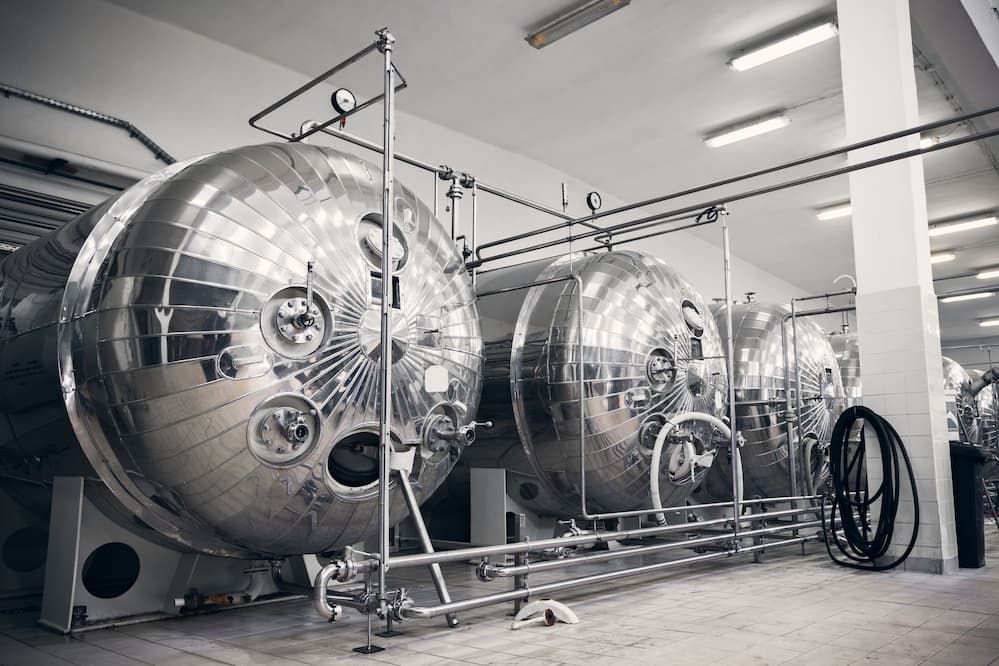
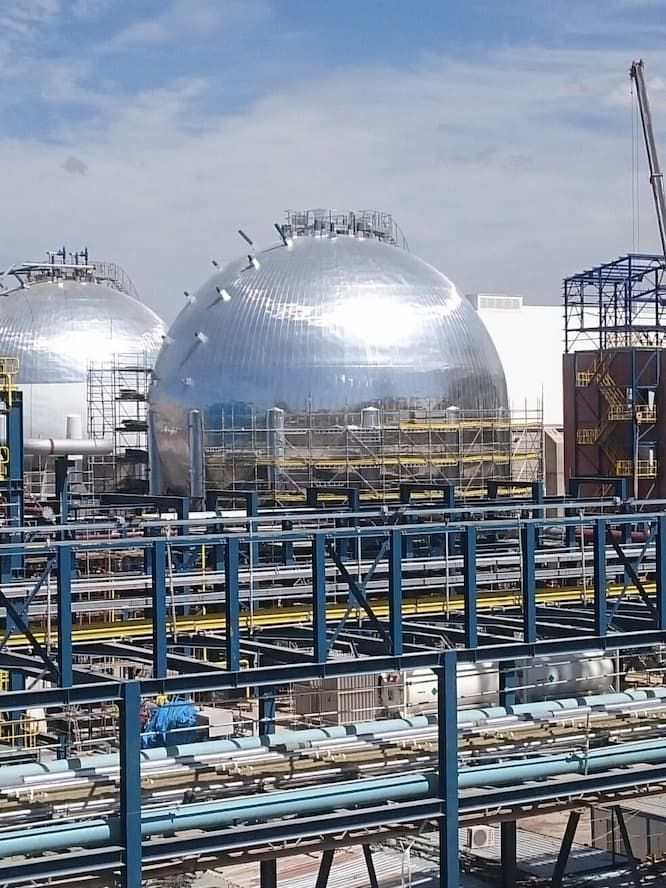
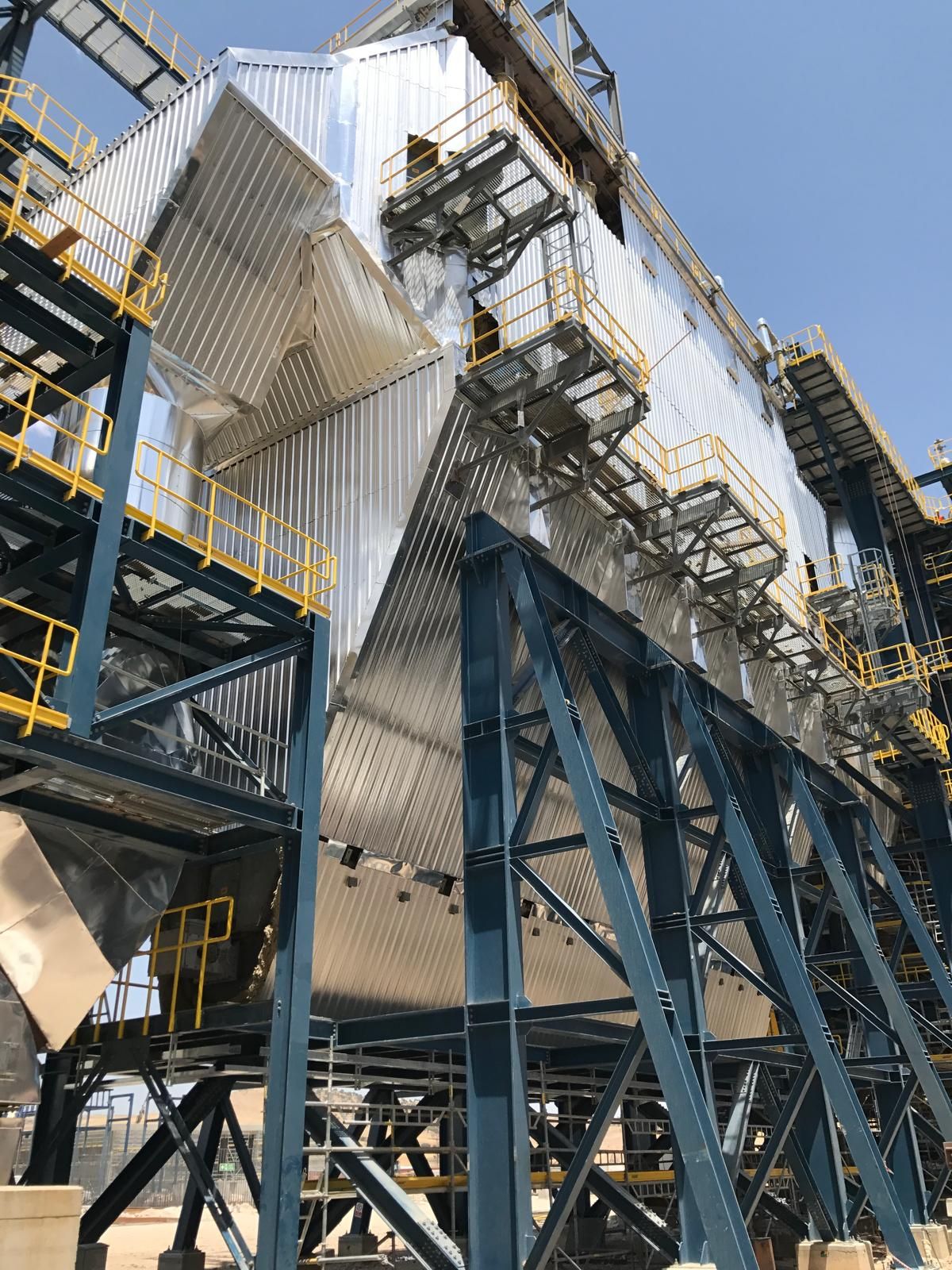
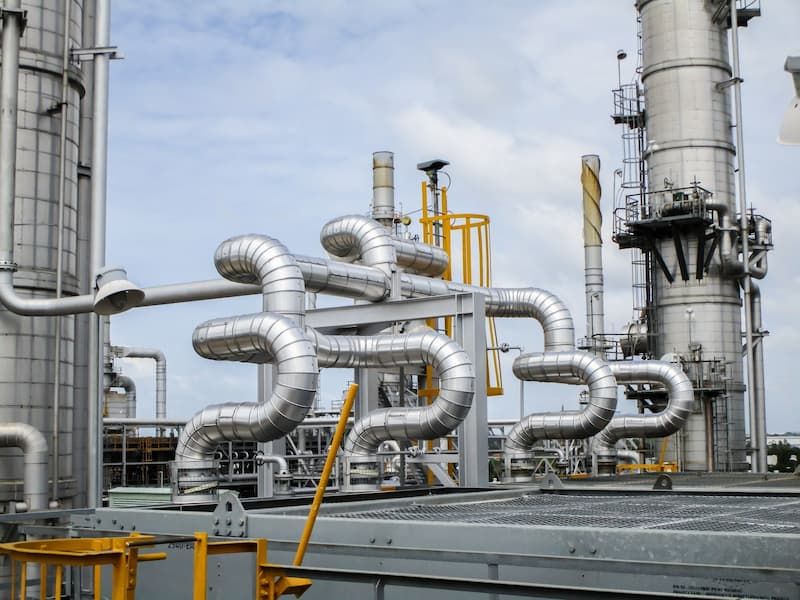
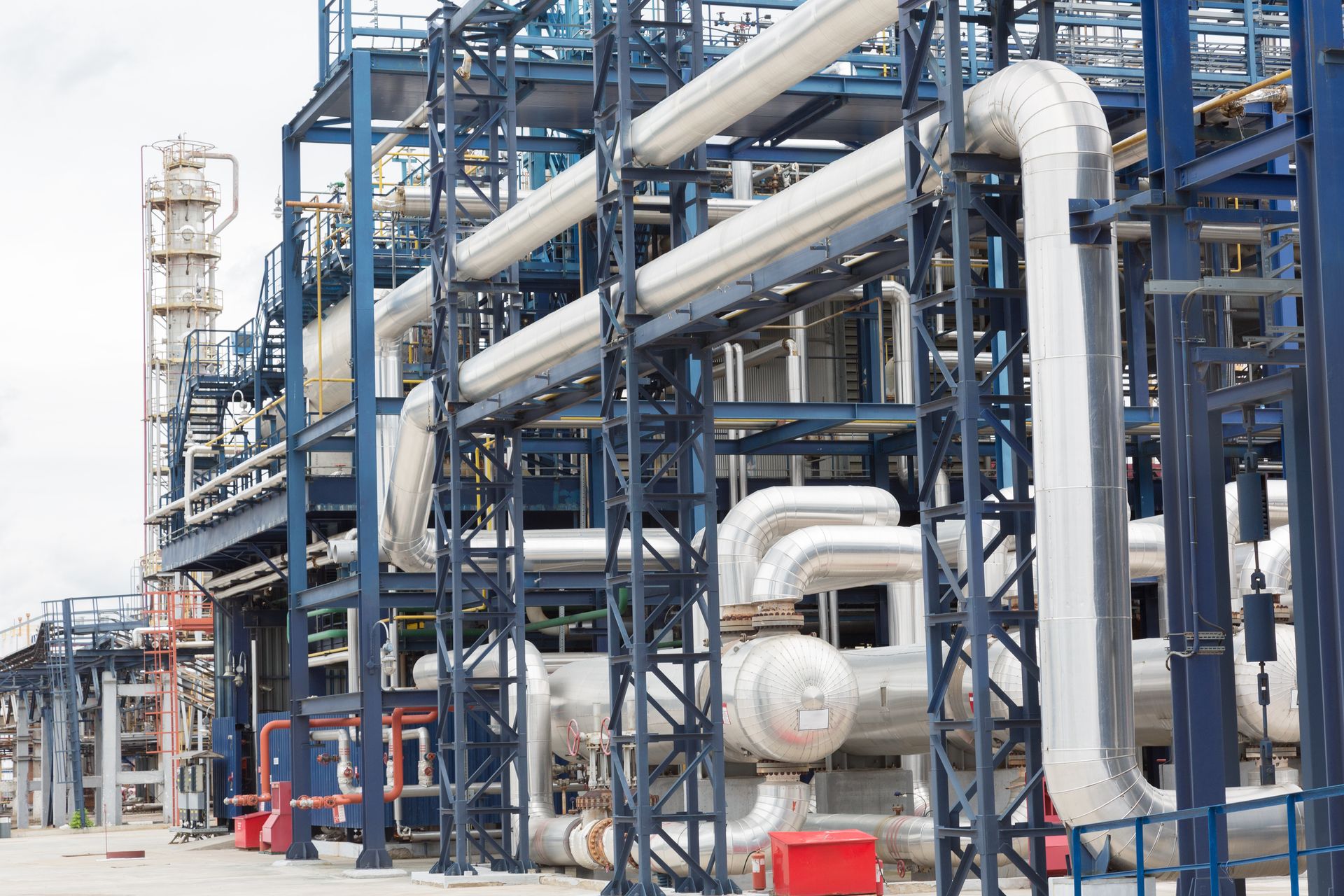
The selected applications below represent our field experience in thermal, cryogenic, tank, pipe, equipment and specialized insulation systems.
Let's Define Your Project's Thermal and Cryogenic Design Criteria Together
Share your operating temperatures, equipment list, line diameters, drawings, ambient conditions and target performance criteria; let's build the engineering and application package that fits your scope together.