Gold & Copper Processing
Grinding and flotation utilities, concentrate handling, leaching, solvent extraction, electrowinning, acid systems, tank farms, steam and hot-process networks.
ERATHERM engineers and delivers project-specific insulation systems for mineral-processing, gold, copper, aluminium, iron, steel and other metallurgical facilities—from thermal calculations and detailed design to supply, installation, shutdown execution and QA/QC.
Mining and metallurgical facilities combine hot furnaces and ducts, steam and hot-oil networks, leach and process tanks, autoclaves, acid services, utilities, cold systems and highly exposed outdoor equipment. Each duty creates a different thermal, chemical and mechanical design problem.
A reliable system must control heat flow while remaining compatible with operating temperature, process chemistry, washdown, dust, vibration, traffic, wind, rain, maintenance access and the facility’s corrosion-management strategy.
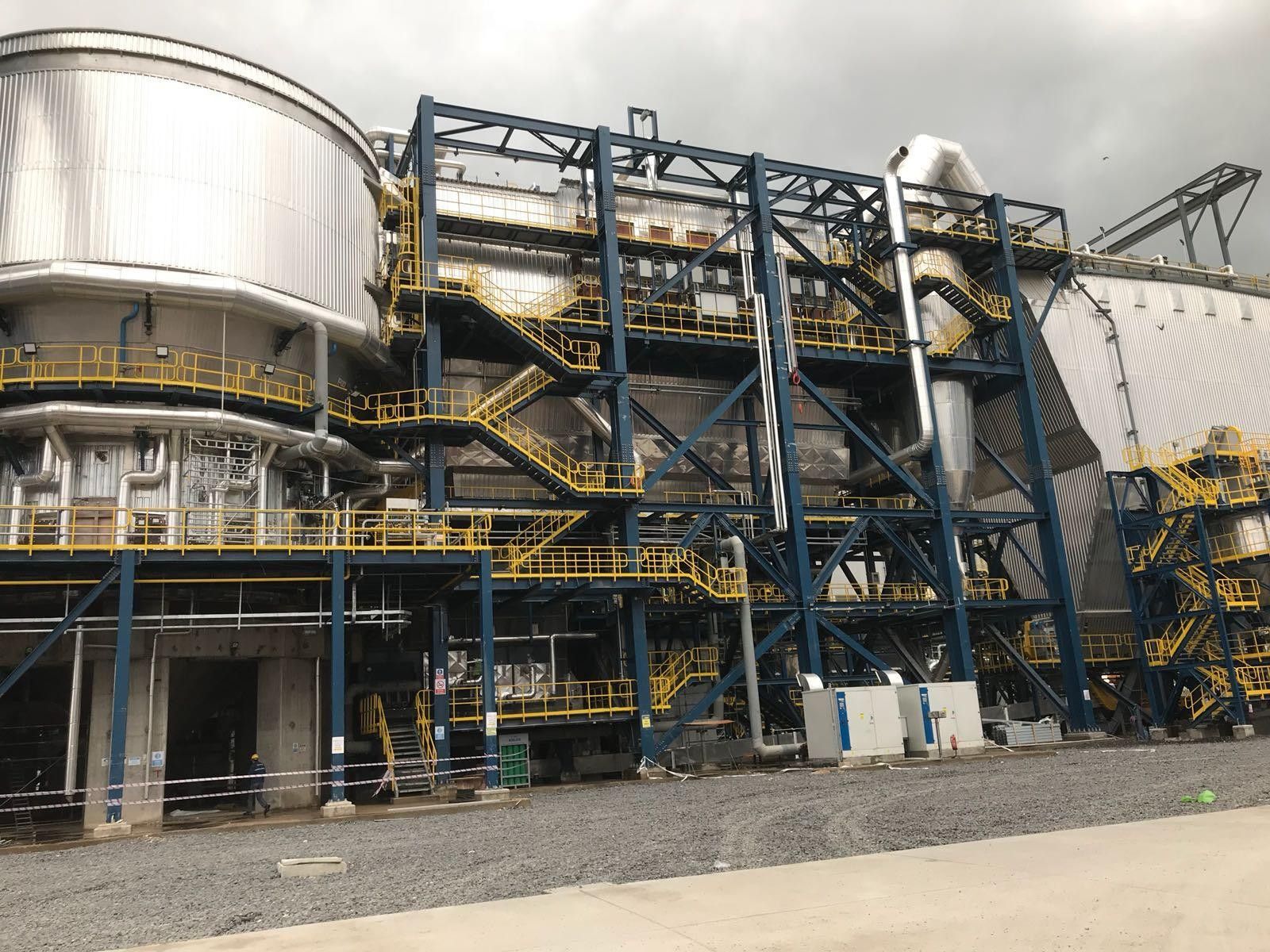
The correct scope follows the process route, equipment design and actual operating envelope—not only the commodity name.
Grinding and flotation utilities, concentrate handling, leaching, solvent extraction, electrowinning, acid systems, tank farms, steam and hot-process networks.
Digesters, flash vessels, heat exchangers, precipitation and evaporation systems, calcination services, steam networks and potline-related utilities.
Furnaces, reheating and heat-treatment equipment, hot-gas ducts, dedusting systems, steam and utility piping, process vessels and removable access covers.
Pressure-leach equipment, autoclaves, flash systems, heat recovery, reactors, chemical services and temperature-sensitive process routes.
Dryers, calciners, kilns, scrubbers, cyclones, ducts, process-air systems, tanks, pumping areas and plant-wide thermal utilities.
Power and steam generation, oxygen and nitrogen systems, water treatment, sulfuric-acid plants, compressors, storage and transfer facilities.
Energy performance is important, but successful plant insulation also protects process stability, people, equipment and maintainability.
Limit heat loss from piping, tanks, vessels, dryers, ducts and process equipment so the approved operating temperature and energy target can be maintained.
Evaluate accessible surface temperature with operating conditions, surface material and possible contact exposure; avoid relying on one universal temperature limit.
Apply a continuous vapour-control strategy and sealed interfaces for cold utilities, gases and temperature-sensitive services where required.
Coordinate coating, insulation, jacketing, drainage, penetrations and inspection access around water, chemical mist, washdown and process contaminants.
Select external protection and attachment details for vibrating ducts, exposed pipe racks, high-traffic areas, wind loads and maintenance activity.
Use removable covers, inspection ports, sectional cladding and planned work packs to support condition assessment, repairs and fast turnaround execution.
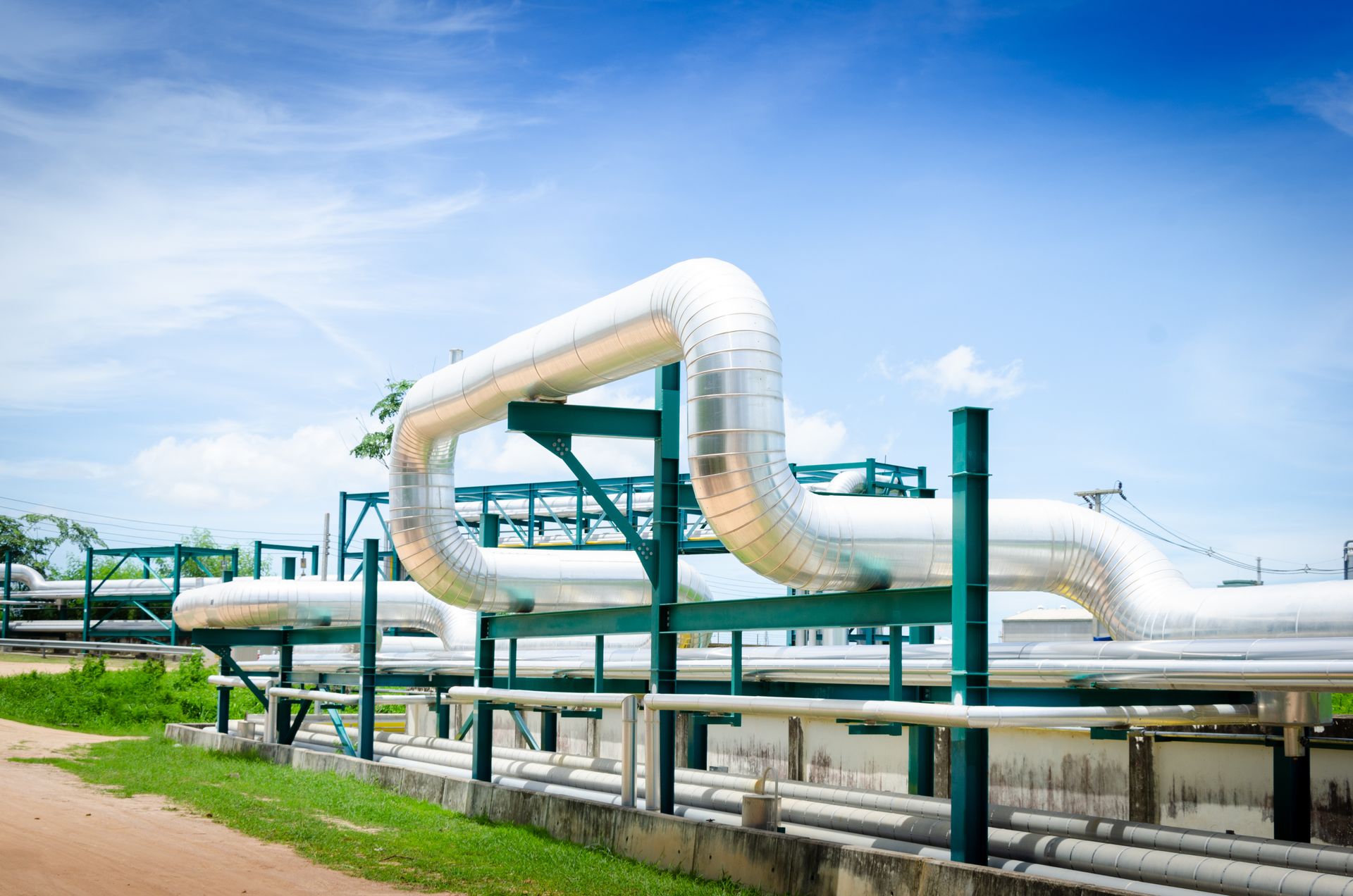
The material at the centre of the system is only one design decision. Long-term performance is frequently governed by seams, supports, nozzles, manways, terminations, penetrations and the details used to shed water and accommodate movement.
Mining and metallurgical sites demand a complete integrity strategy around the insulation system.
Orient laps to shed water, detail roof and vertical penetrations, close terminations, manage drainage and inspect vulnerable geometry before handover.
Evaluate the chemical environment against insulation, membrane, sealant, fastener and cladding compatibility; define repair and replacement access.
Protect exposed systems with suitable cladding, reinforcement, fastening and support details without restricting necessary thermal movement.
Treat CUI as a system risk combining operating temperature, cycling, contaminants, water entry, coating, insulation, weatherproofing and inspection.
Coordinate removable jackets and sectional closures at valves, flanges, strainers, instruments, manways and other frequently inspected components.
Survey field geometry, document clashes and deterioration, control substitutions and update quantities and details as actual conditions are exposed.
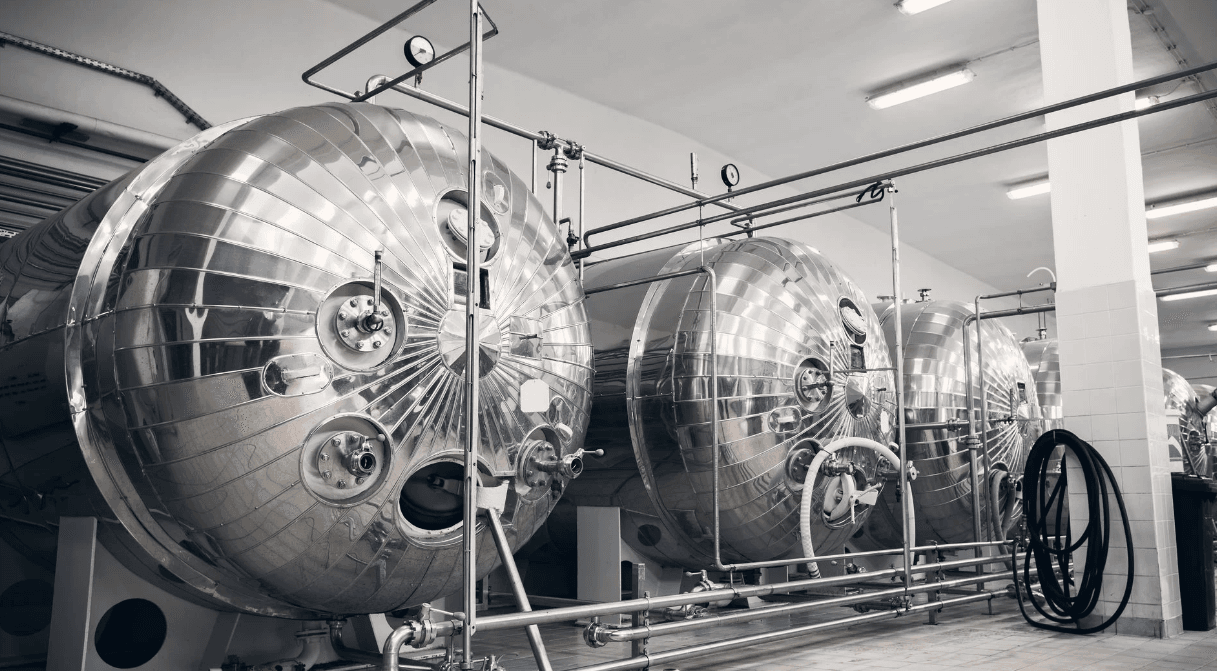
Large diameters, nozzles, manways, agitator drives, support rings, stiffeners, platforms and curved heads require project-specific geometry. Generic pipe details cannot simply be enlarged and applied to process equipment.
ERATHERM develops insulation zoning, support and cladding details, fabrication drawings and field work packs using approved drawings and verified site data. For brownfield work, the survey quality and accessible geometry define the achievable fabrication tolerance.
The table describes engineering directions, not universal material specifications. Final selection must be verified against project data and approved manufacturer properties.
| Service Area | Primary Objective | Potential System Direction | Critical Design Details |
|---|---|---|---|
| Steam, Hot Oil and Hot Process Piping | Heat conservation, process stability and personnel protection | Mineral wool, calcium silicate, cellular glass, aerogel or another approved high-temperature system | Design conductivity, pipe supports, tracing, movement, cladding, terminations and CUI strategy |
| Furnaces, Dryers, Calciners and Hot-Gas Ducts | Reduce shell heat loss and external temperature | Project-specific external insulation coordinated with the OEM and refractory lining design | Shell movement, hot spots, stiffeners, access doors, expansion joints, vibration and high-temperature cladding details |
| Tanks, Vessels, Autoclaves and Digesters | Maintain process temperature and protect personnel | Board, blanket, cellular glass, aerogel or composite system selected for temperature and exposure | Support rings, nozzles, manways, heads, agitators, platforms, drainage and removable zones |
| Acid and Chemically Exposed Areas | Thermal control with resistance to the external environment | Thermal system combined with compatible membranes, sealants, fasteners and cladding | Chemical compatibility, leak and washdown exposure, drainage, inspection and repair philosophy |
| Cold Utilities, Oxygen and Nitrogen Systems | Heat-gain, condensation or cryogenic control | Cellular glass, PIR/PUR, aerogel/cryogel or another approved closed-cell or cryogenic architecture | Vapour-control continuity, contraction, penetrations, supports, cleanliness and service-specific safety |
| Valves, Flanges and Inspection Points | Thermal performance with repeatable maintenance access | Custom removable insulation jackets or engineered removable rigid covers | Survey dimensions, closure design, hot-face protection, drainage, tagging and reinstallation control |
A material name alone does not define an insulation system. Temperature range, design thermal conductivity, chemistry, moisture behaviour, compressive and vibration loads, fire requirements, jacketing, workmanship and inspection must be evaluated together.
Hidden interfaces are inspected before closure, while field changes remain traceable through completion and turnover.
Approved materials, storage, surface and coating release, equipment status, tracing, supports, dimensions, access and work-front readiness.
Thickness, layer sequence, joints, interfaces, vapour control where required, fasteners, penetrations, removable details and hidden-work records.
Cladding, seam orientation, drainage, identification, punch close-out, repair traceability, as-built changes and quality dossier completion.
The scope can be delivered as engineering, supply, installation, QA/QC or an integrated package.
Contract requirements, approved process data, equipment-manufacturer information and project specifications govern. Standards are applied only where relevant to the defined scope.
ERATHERM combines thermal engineering, detailed design, material knowledge and heavy-industrial field delivery. Experience across copper and aluminium facilities, power generation, refineries, petrochemical plants and major shutdowns supports practical decisions for complex greenfield and brownfield scopes.
Share the process data, equipment list, drawings, site condition and project objectives. ERATHERM can structure the engineering, supply, execution and QA/QC package around the facility’s real operating requirements.
Final insulation materials, thicknesses, layer sequence, coating, vapour-control strategy, cladding, support details, surface-temperature targets, fire or acoustic requirements, refractory interfaces, quality controls and applicable standards are project-specific. They must be confirmed against the contract, approved process and equipment data, drawings, manufacturer information, HSE requirements, environmental exposure and the intended inspection and maintenance programme. References on this page provide a technical framework and do not imply that every standard applies to every project.