Classification & Function
System boundary, credited function, safety significance, equipment interfaces and applicable owner, regulatory and code requirements.
ERATHERM develops project-specific insulation solutions for nuclear new-build, retrofit, outage and SMR programmes—coordinating thermal performance, plant classification, environmental conditions, accident interfaces, mechanical retention, maintainability and nuclear-quality documentation within one controlled scope.
Engineering review, thermal calculations, qualified material procurement, removable and metallic systems, fabrication, installation, QA/QC, outage reinstatement and as-built close-out.
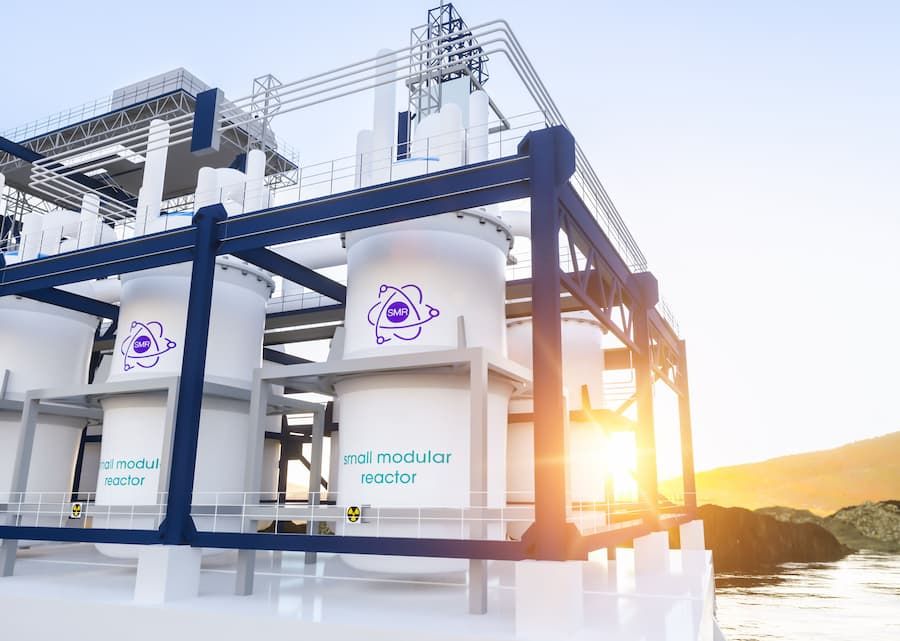
Depending on its location and credited function, an insulation system can influence equipment temperature, personnel protection, fire loading, inspection access, outage dose, seismic behaviour and accident-generated debris.
Nuclear service does not create one universal insulation specification. Requirements change between containment, the nuclear island, turbine island, auxiliary buildings and balance-of-plant systems—and they also change between PWR, BWR, SMR and advanced-reactor designs.
ERATHERM therefore develops the insulation package against the plant licensing basis, owner requirements, EPC and OEM data, equipment classification, operating and accident conditions, maintenance strategy and the contractually flowed-down quality programme.
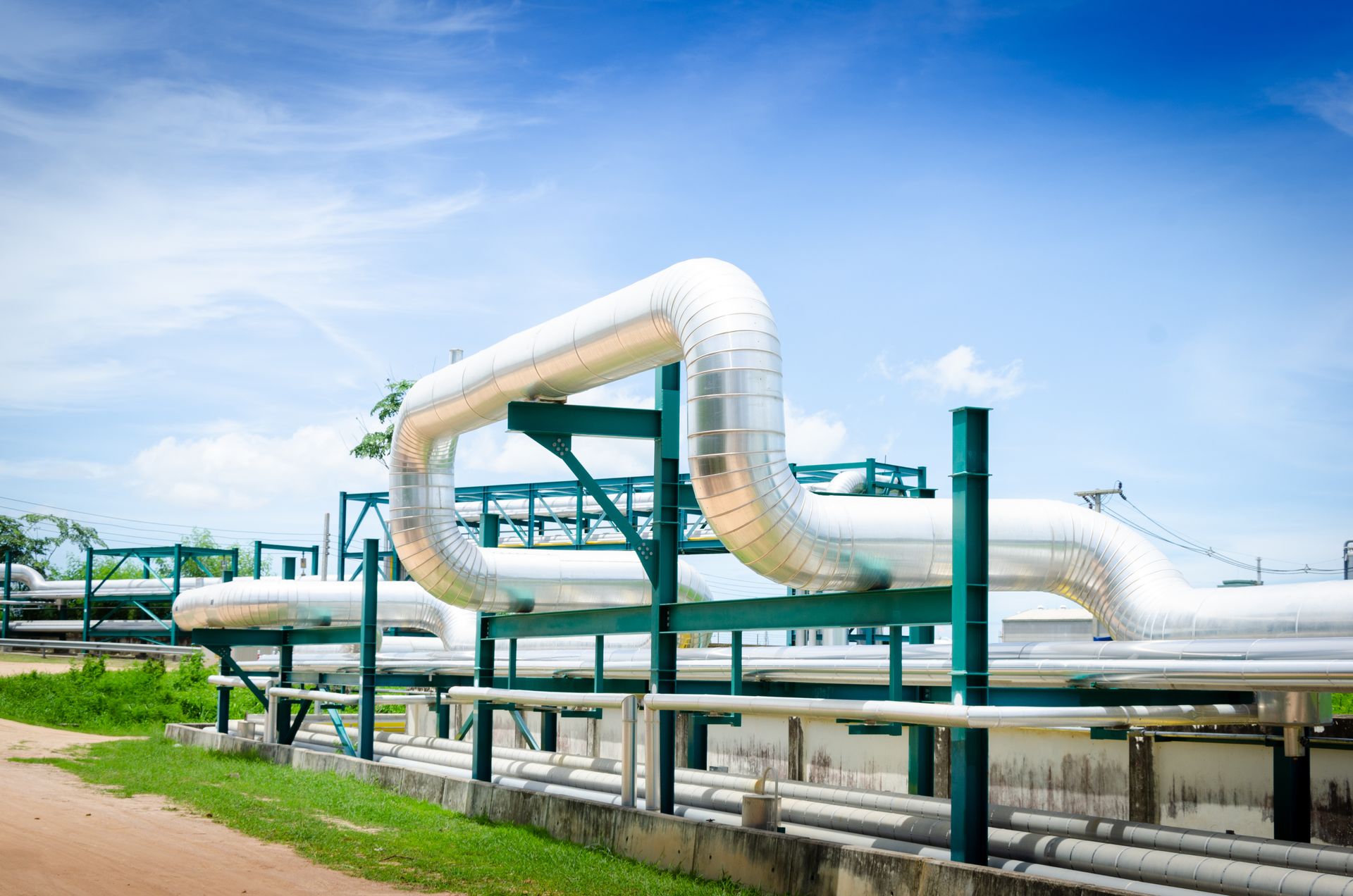
The package is divided by system function, location, classification and exposure before any material or construction detail is selected.
Plant-specific scope: Equipment such as steam generators and pressurizers is not common to every reactor design. Final asset lists follow the selected technology, OEM configuration and plant system boundaries.
The required depth is established by the owner or design authority according to safety significance, location and the plant licensing basis.
System boundary, credited function, safety significance, equipment interfaces and applicable owner, regulatory and code requirements.
Operating temperatures, start-up, shutdown, cycling, heat retention, safe surfaces, condensation and process stability.
Applicable LOCA or HELB conditions, jet impingement, pressure and temperature transients, spray chemistry, flooding and post-accident function.
Integrated dose, ageing, fire, seismic loading, supports, fasteners, foreign-material control and debris-generation characteristics.
Inspection access, ALARA-informed work planning, removable zones, identification, repeatable reinstatement, spares and configuration control.
Thermal calculations establish normal performance; separate project analyses determine qualification, accident and structural acceptance where required.
Heat loss or gain, personnel-contact criteria and equipment heat balance under defined operating and ambient cases.
Temperature profile through insulation, metallic foils, encapsulation, fasteners, coatings and adjacent components.
Start-up, shutdown, cooldown or heat-up response when required by equipment operation or safety analysis inputs.
Supports, straps, cassette frames, instrument openings and other three-dimensional heat-flow paths.
Retention concept, clearances, differential movement and load paths coordinated with the responsible structural and equipment disciplines.
Insulation inventory, location, destruction characteristics and debris data prepared for the licensee's LOCA, HELB, sump or strainer assessment.
Reflective metallic insulation used on nuclear plant equipment operates without a space-type vacuum blanket. Its thermal performance, cassette construction, retention, testing and accident-debris behaviour require a plant-specific engineering and qualification basis.
The build-up changes by plant area, but the review follows the complete assembly from equipment surface to identification and as-built records.
Surface condition, coating compatibility, cleanliness, stainless-steel chemistry and corrosion-control basis.
Approved product, layer geometry, design properties, ageing basis and joints.
Metal shells, liners, foils, membranes, seams, penetrations and contamination-control requirements.
Load transfer, seismic retention, differential movement, equipment access and pressure-boundary interfaces.
Cassette segmentation, closures, lifting, inspection windows, dismantling sequence and storage.
Unique tags, material lots, drawing status, location control, hold points and post-maintenance verification.
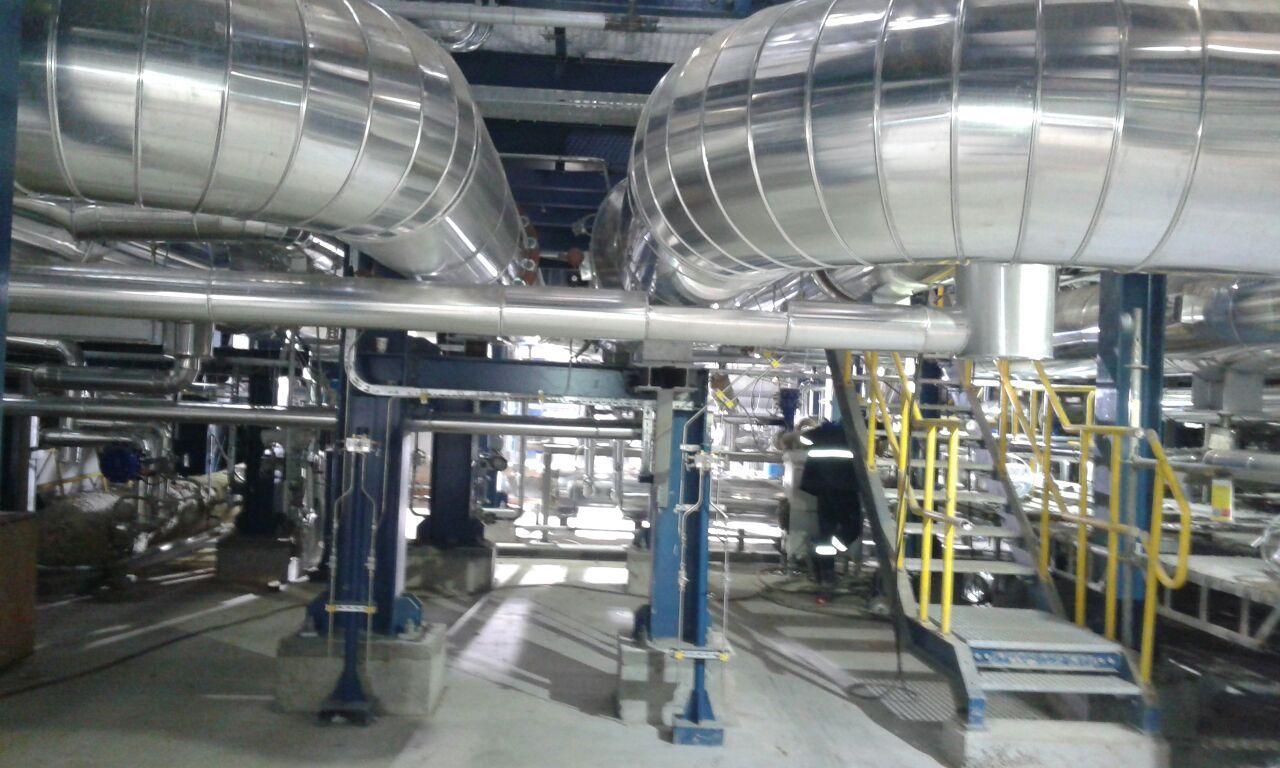
Candidate systems are evaluated against the approved specification, plant environment, qualification programme and procurement quality requirements.
Mineral fibre, calcium silicate, aerogel, cellular glass, ceramic fibre or metallic systems are not automatically acceptable for every nuclear location. Product formulation, total integrated dose, accident environment, leachable chemistry, fire performance, mechanical retention, debris characteristics and procurement controls must be verified for the defined application.
Plant area, system function, equipment status, licensing basis, specifications, QA level and missing data.
Normal, transient, accident, radiation, seismic, fire, chemistry, maintenance and access requirements.
Thermal calculations, interfaces, materials, segmentation, retention and maintainability.
Applicable tests, calculations, similarity evidence, limitations, supplier data and acceptance route.
Approved suppliers, material lots, drawings, BOM, traveller records, inspections and release status.
Cleanliness, FME, hold points, fit-up, fastening, identification, NCR control and turnover records.
Dismantling, controlled storage, reinstatement, condition checks, revisions and configuration close-out.
The package is scaled to the project's safety significance, contractual QA level, design stage and owner document-control procedure.
Plant boundaries, functions, applicable conditions, requirements, assumptions, interfaces and approval authorities.
Property basis, operating cases, heat flow, surface and layer temperatures, interfaces and sensitivities.
Approved products, test evidence, environmental limits, chemistry, ageing data and documented restrictions.
Insulation inventory, location, construction, potential debris characteristics and inputs for owner safety analysis.
Equipment-specific layouts, cassette numbering, supports, closures, access features, quantities and spares.
Supplier approvals, certificates, lot traceability, traveller records, inspections, deviations and release notes.
Hold points, method statements, FME controls, fit-up checks, photographs, NCRs and turnover records.
Dismantling maps, storage controls, reinstatement records, final configuration, revisions and maintenance guidance.
The approved nuclear design basis can be converted into project-specific shop drawings, segment maps, component tags, cutting lists and drawing-linked BOM/MTO.
The licensing basis, jurisdiction, owner specifications, contract edition and document hierarchy govern. None of the references below is a universal stand-alone nuclear insulation code.
High-level safety requirements for nuclear power plant design, including classification, environmental conditions, ageing and maintainability principles.
ASME NQA-1Nuclear quality-assurance requirements when invoked by contract, regulation or the owner's approved QA programme.
ISO 19443:2018Quality-management requirements for nuclear supply-chain products and services important to nuclear safety, with applicable amendments.
ASME BPVC Section IIIConstruction rules for nuclear facility components and supports—not a blanket classification for external thermal insulation.
RCC-MDesign and construction rules for mechanical components of PWR nuclear islands where contractually applicable.
NRC RG 1.82 Rev. 5 / GL 2004-02US regulatory framework addressing accident-generated debris and emergency-recirculation performance in applicable light-water reactors.
ASTM C795 / C692 / C871Non-metallic insulation chemistry and stress-corrosion evaluation for contact with austenitic stainless steel.
Owner, regulator, EPC and OEM requirements determine classification, qualification, fire, seismic, radiation, debris, procurement and acceptance criteria.
Classification, credited functions and final acceptance remain aligned with the owner, licensee, EPC, OEM and responsible engineering disciplines.
More than 1,000,000 m² of industrial application experience informs access, tolerances, segmentation, installation and outage reinstatement.
Engineering, calculation, qualified sourcing, fabrication, installation, inspection, training and close-out can be coordinated under one scope.
QA controls are established at contract award; material, drawing, inspection and as-built records follow the approved project programme.
References to NQA-1, ISO 19443, ASME Section III or RCC-M describe possible project frameworks. They do not state that ERATHERM or every supplied insulation product holds a particular nuclear certificate. Required certification, supplier qualification, audits and QA programme flow-down must be confirmed for each contract.
Depending on location and function, nuclear insulation may require controlled safety classification, radiation and ageing data, seismic retention, fire and chemical compatibility, LOCA or HELB debris inputs, foreign-material control, nuclear-quality procurement and configuration-managed maintenance records in addition to thermal performance.
No. ASME Section III defines rules for nuclear facility components and supports. The owner or design authority determines whether an insulation assembly, its support or an attachment has a code or safety classification and identifies the applicable design, procurement, inspection and documentation requirements.
NQA-1 applies when it is invoked by regulation, contract or the owner's approved quality programme. The flowed-down scope can include design control, procurement, supplier qualification, document control, inspections, test-equipment control, nonconformance management, records and audits. A reference to NQA-1 does not by itself prove certification.
Reflective metallic insulation, or RMI, is an all-metal assembly that reduces heat transfer through separated reflective foils inside removable metal cassettes. It is different from vacuum MLI used in spacecraft and cryogenic vessels and requires project-specific thermal, mechanical, retention and accident-debris evaluation.
The applicable plant analysis can require insulation inventory, location, zone-of-influence assumptions, destruction characteristics, debris size distribution, transport behaviour and chemical-effects inputs. ERATHERM can develop the insulation data package, while the licensee or appointed design authority retains the integrated safety analysis.
No. Acceptance is product- and application-specific. The approved basis may need thermal and ageing data, total integrated dose, leachable chemistry, stainless-steel compatibility, fire behaviour, mechanical retention, accident-environment response, debris characteristics and qualified supplier records.
Yes. The scope can cover nuclear-island, containment, turbine-island, HVAC, emergency-power and balance-of-plant applications. Each area is separated by classification, qualification, cleanliness, fire, environmental and documentation requirements.
Project-specific cassettes or jackets can be segmented, tagged and documented for controlled dismantling, storage, inspection and repeatable reinstatement. The design must maintain required thermal performance, access, fastener control, cleanliness, FME and configuration records through repeated cycles.
The design coordinates substrate coating, insulation chemistry, water-entry paths, drainage, cladding seams, removable inspection zones and plant environmental conditions. ASTM C795, C692 and C871 may support stainless-steel material evaluation, but they do not replace the plant corrosion and ageing-management programme.
Yes. ERATHERM can coordinate design review, calculations, material and supplier evaluation, shop drawings, BOM/MTO, procurement, cassette or cladding fabrication, installation, inspection, outage reinstatement, training and as-built close-out. Final classification and nuclear qualification remain subject to the owner-approved project framework.
Share the plant technology, system and equipment list, project phase, operating and accident conditions, drawings, classification, owner specifications and applicable QA requirements. ERATHERM will define the engineering, qualification-support and delivery scope.