
SMR Modular Containment Structure Thermal Barriers
In Small Modular Reactors, the modular containment structure is the final and most critical physical barrier preventing the release of radioactive material. The region between the Reactor Pressure Vessel (RPV) and the outer containment shell needs not only pressure management but highly controlled thermal transition. ERATHERM delivers high-performance thermal barriers that optimize heat transfer between core and containment — from conceptual design and CFD-supported 3D simulation to nuclear-grade installation and thermal audit — protecting structural integrity from thermal stress and keeping passive safety systems effective, in full compliance with nuclear standards.
 Final Barrier · Passive Safety
Three Roles of Containment Thermal Barriers
Thermal management within containment structures is a cornerstone of nuclear safety, serving three objectives at once.
Limiting temperature differentials between the inner and outer surfaces of the containment vessel (steel or concrete) to prevent cracking and deformation.
Preventing unnecessary heat dissipation to the environment during normal reactor operation, improving overall plant efficiency.
Managing thermal paths that enable controlled heat transfer to the external atmosphere or cooling pools during accident scenarios.
The Final Line of Defense in Nuclear Safety
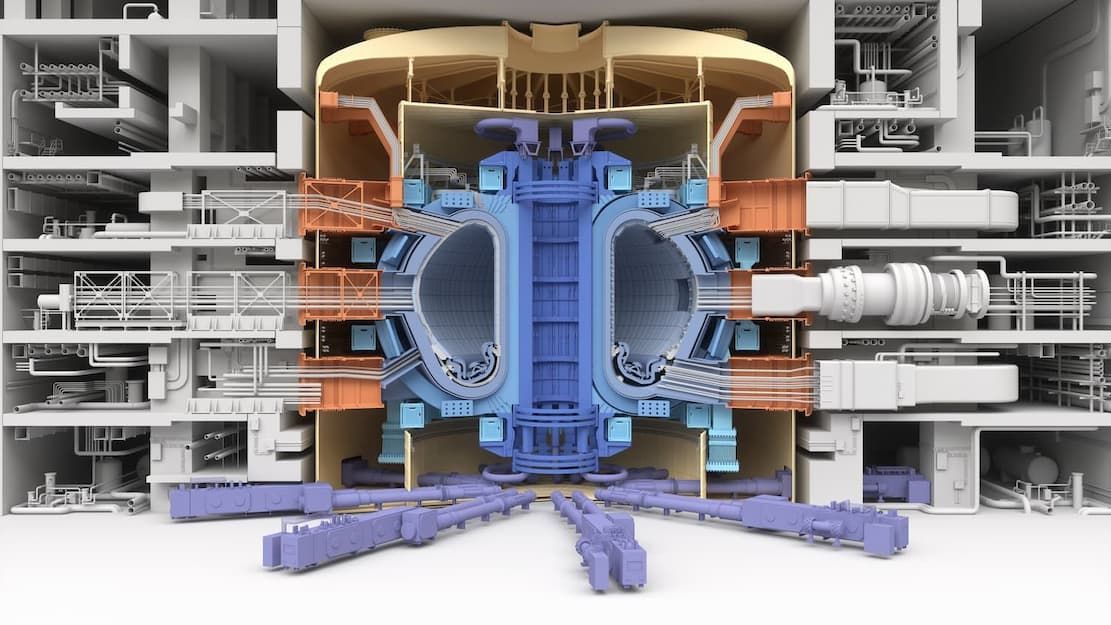
The space between the reactor pressure vessel and the outer containment shell is where pressure and thermal transition must be jointly controlled. ERATHERM maintains thermal balance across this region while protecting the structure from thermal stress.
- Maintains thermal balance within the containment
- Protects structural integrity from thermal stresses
- Ensures the effectiveness of emergency cooling systems
- Engineered in full compliance with nuclear standards
A Holistic Method for Complex Containment Requirements
Four integrated stages meet the demanding physical requirements of nuclear containment systems.
01 · Conceptual Design & Strategy
Each SMR uses a unique cooling and protection strategy. Early in the project, ERATHERM selects the most suitable concept among vacuum insulation, reflective barriers or composite thermal shields, modelling the containment's response to internal pressure and temperature fluctuations.
02 · Computational & 3D Simulation
Heat transfer occurs by conduction and radiation. We run thermal-gradient analysis across containment walls, CFD analysis of internal airflow/gas circulation, and thermal-bridge identification at supports and penetration interfaces.
Detail engineering & simulation03 · Engineering Design & Installation
We install nuclear-grade insulation with high temperature resistance and long-term radiation stability. At critical penetration interfaces, flexible thermal barriers accommodate thermal expansion while effectively blocking heat transfer.
04 · Audit, Analysis & Optimization
We assess thermal integrity in operation or during testing. Thermal-audit services identify insulation weaknesses and energy losses and optimize compatibility with passive safety systems.
Consultancy & audit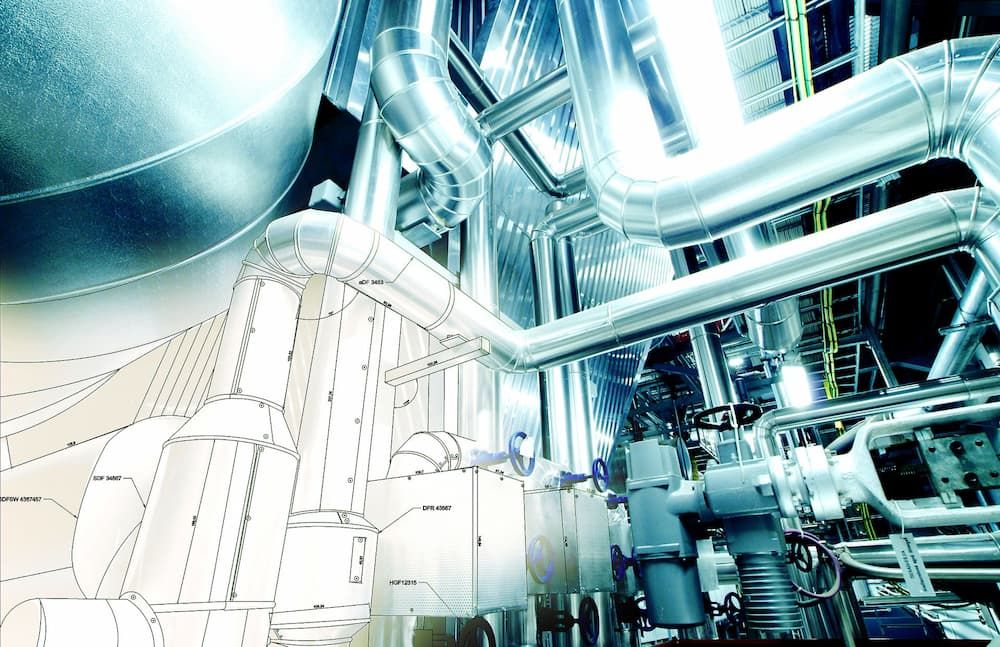
3D Simulation & Thermal-Bridge Detection
Containment heat transfer combines conduction and radiation, so barrier performance must be proven by analysis before installation:
- Thermal gradient analysis — temperature variations across containment walls
- CFD simulation — internal airflow/gas circulation and its effect on barrier performance
- Thermal-bridge identification — localized overheating at supports and penetrations
- Concept response modelled to internal pressure and temperature fluctuations
Flexible Barriers Where the Shell Is Crossed
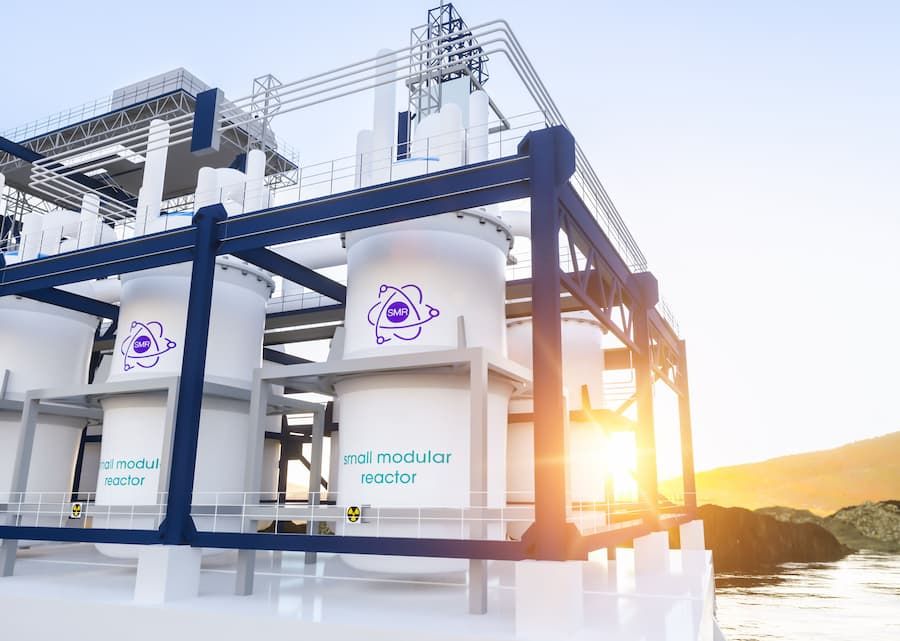
Supports and penetration interfaces are the containment's most common thermal-bridge points. ERATHERM installs flexible, nuclear-grade thermal barriers there that accommodate thermal expansion while effectively blocking heat transfer — eliminating local overheating without restraining the structure.
- Flexible barriers tolerant of thermal expansion at penetrations
- High temperature resistance and long-term radiation stability
- Heat-transfer blocking without creating new structural restraint
- Integrated with passive cooling and emergency-cooling paths
Engineered to International Nuclear Codes
Containment barrier design is executed in full compliance with nuclear codes, radiation and chemical-resistance requirements.
Nuclear component design.
In-Service Inspection (ISI).
French nuclear code.
Reactor design requirements.
NRC technical basis.
Surface burning / fire spread.
Reaction-to-fire classification.
Industrial insulation framework.
Quality management.
Containment Thermal Engineering, End to End
Concept, simulation, installation and audit under one roof.
Vacuum, reflective or composite barrier strategy per SMR design.
Thermal gradient, circulation and thermal-bridge analysis.
Flexible barriers tolerant of expansion at interfaces.
Barriers tuned to support passive and emergency cooling.
Thermal integrity assessment for in-service structures.
Nuclear-Grade Discipline, Cross-Portfolio Experience
The same engineering discipline behind containment thermal barriers supports long-term partnerships across energy, industrial and defense organizations, backed by cryogenic, vacuum and space-test infrastructure.









































Concept strategy, CFD-verified barrier design, penetration insulation and in-service thermal audit — containment thermal management delivered as integrated engineering, not isolated supply.
Across the SMR & Nuclear Portfolio
Containment thermal barriers connect to ERATHERM's RPV insulation, cryogenic/vacuum, detail-engineering and wider nuclear and defense expertise.
Nuclear · Defense · Aerospace
Engineering & Materials
Containment Thermal Barriers — Common Questions
Why are thermal barriers critical in SMR containment structures?
In an SMR, the modular containment structure is the final and most critical physical barrier preventing release of radioactive material. The region between the reactor pressure vessel and the outer shell needs not only pressure management but highly controlled thermal transition, so its thermal barriers are a cornerstone of nuclear safety.
What are the functions of containment thermal barriers?
Three core functions: structural-stress management (limiting temperature differentials across steel or concrete containment walls to prevent cracking and deformation); heat-transfer control (preventing unnecessary heat dissipation during normal operation for plant efficiency); and passive-cooling support (managing thermal paths that enable controlled heat transfer to the atmosphere or cooling pools during accident scenarios).
How does ERATHERM approach containment thermal barrier design?
A holistic four-stage approach: conceptual design and barrier strategy; computational analysis and 3D thermal simulation (thermal-gradient analysis, CFD and thermal-bridge identification); engineering design and installation including penetration insulation; and audit, analysis and optimization.
Which barrier concepts does ERATHERM evaluate?
Because each SMR design uses a unique cooling and protection strategy, ERATHERM selects the most suitable concept among vacuum insulation, reflective barriers or composite thermal shields, modelling the containment's response to internal pressure and temperature fluctuations early in the project.
What is penetration insulation in containment structures?
Penetration interfaces are localized thermal-bridge points where supports and lines cross the containment. ERATHERM provides flexible thermal barriers there that accommodate thermal expansion while effectively blocking heat transfer, preventing local overheating.
Can ERATHERM audit existing containment structures?
Yes. ERATHERM assesses the thermal integrity of containment structures in operation or during testing, identifying insulation weaknesses and energy losses and optimizing compatibility with passive safety systems.
Protecting Containment Integrity Through Thermal Engineering
From concept strategy and CFD simulation to penetration insulation and in-service thermal audit — independent engineering for your SMR containment thermal barriers.