Industrial Insulation Materials — Engineered Supply & Application
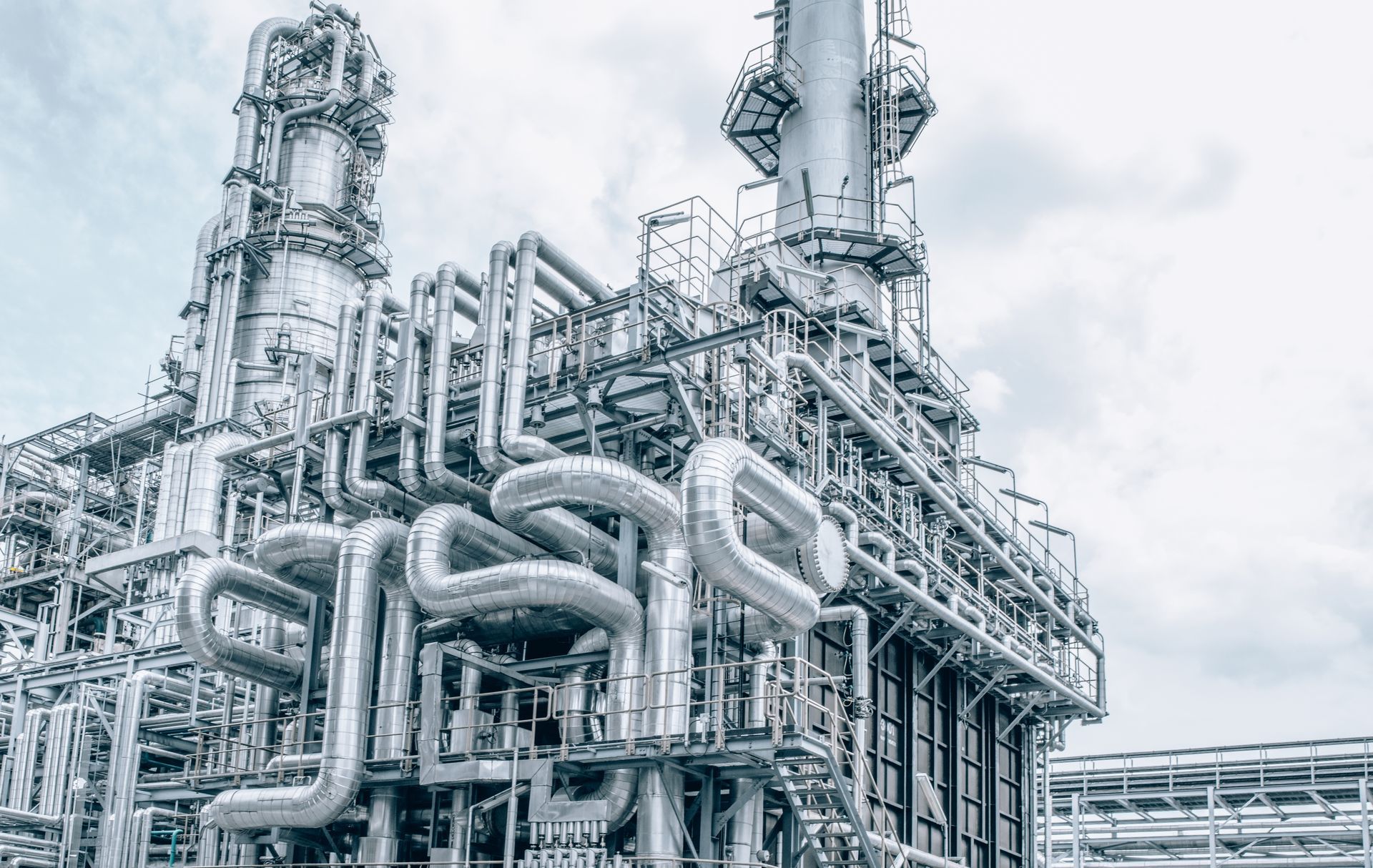
ERATHERM is not just a supplier of insulation materials — we are an engineering partner. Every supply starts with design, engineering calculation, thermal-system analysis and material selection, then continues with correct sourcing from our global supplier pool, dependable lead times and stock continuity, and — when required — full on-site application. From rockwool, ceramic fiber, calcium silicate and aerogel for hot service to cellular glass, PIR/PUR, Cryogel and MLI for cryogenic systems, every material is verified against spec, system compatibility and application method before delivery. With 20+ years of field experience and compliance to EN, ASTM, ISO and API, we cover the full −268 °C to +1800 °C range.
 18+ Material Categories
Three Questions Behind Every Material Selection
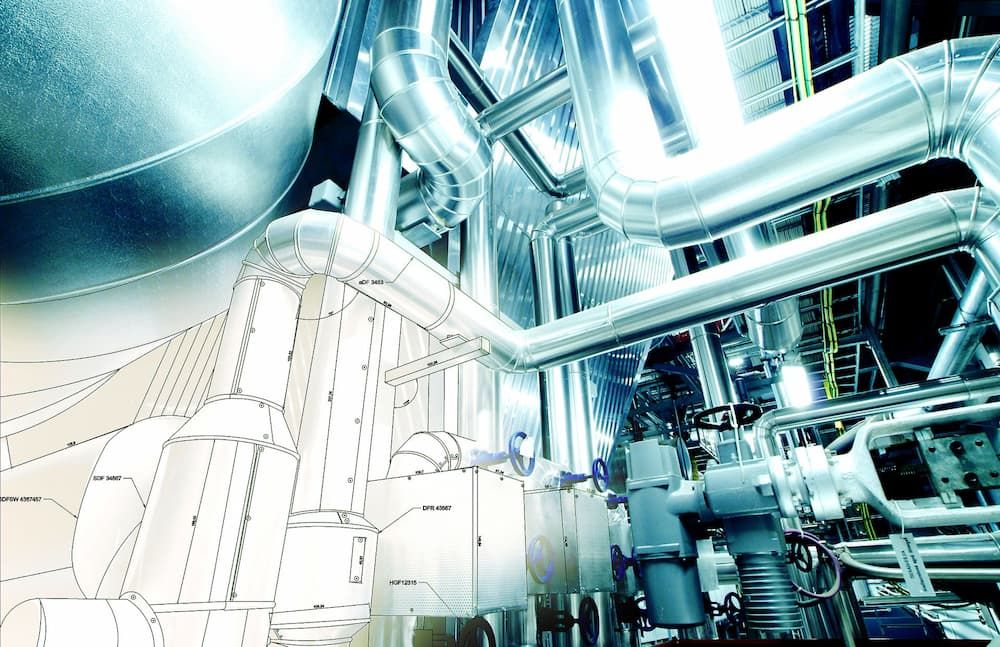
Behind every field failure is a material that "looked right" but did not suit the system. ERATHERM passes every request through three engineering checks before delivery:
- Correct spec — verified within EN, ASTM, ISO and API, with revision proposals where needed
- System compatibility — temperature, chemical environment, mechanical load and CUI risk
- Integrated application — who applies it and how feeds back into the material choice
A broad portfolio is not advertising for us — it is a source of responsibility. 20+ years of field experience is the invisible but decisive quality layer behind every selection.
What We Verify Before We Deliver
Each supply — single line item or turnkey package — passes the same control points.
Validated within EN / ASTM / ISO / API frameworks.
Material matched to the real service temperature.
Resistance analysis for the process chemical environment.
Corrosion-under-insulation and dew-point risk assessment.
Mechanical load and vibration profile compatibility.
Compatibility with the planned installation method.
Selection from an approved supplier pool only.
Lead-time and stock planning for uninterrupted supply.
From Steam Lines to Clinker Kilns
A 250 °C to 1600 °C hot insulation range for energy, refinery, petrochemical, cement and refractory applications.
A1 fire-class hot insulation from volcanic rock for boilers, steam lines, process pipes, furnaces and steel fire safety. Board, mattress, lamella and pipe forms. EN 14303.
Light, economical insulation for HVAC ducts, building piping, low-temp lines, roof and wall. Roll, mattress, pipe and panel. A1 class. EN 14303.
Highest-temperature refractory insulation for furnaces, refinery units, turbine seals and combustion chambers. Blanket, board, module, paper. ASTM C892.
High-strength rigid insulation for hot equipment, steam lines, turbines and boilers; undamaged during maintenance. ASTM C533.
World's lowest thermal conductivity; 5–10 mm matches 30–40 mm of conventional material. Hydrophobic. XTE/XTF for refinery, LNG, offshore. ASTM C411.
Biodegradable, low-health-risk high-temperature insulation; an increasingly preferred RCF alternative for refinery, energy and furnace use.
One-Surface Solution for Complex Turbine Geometry
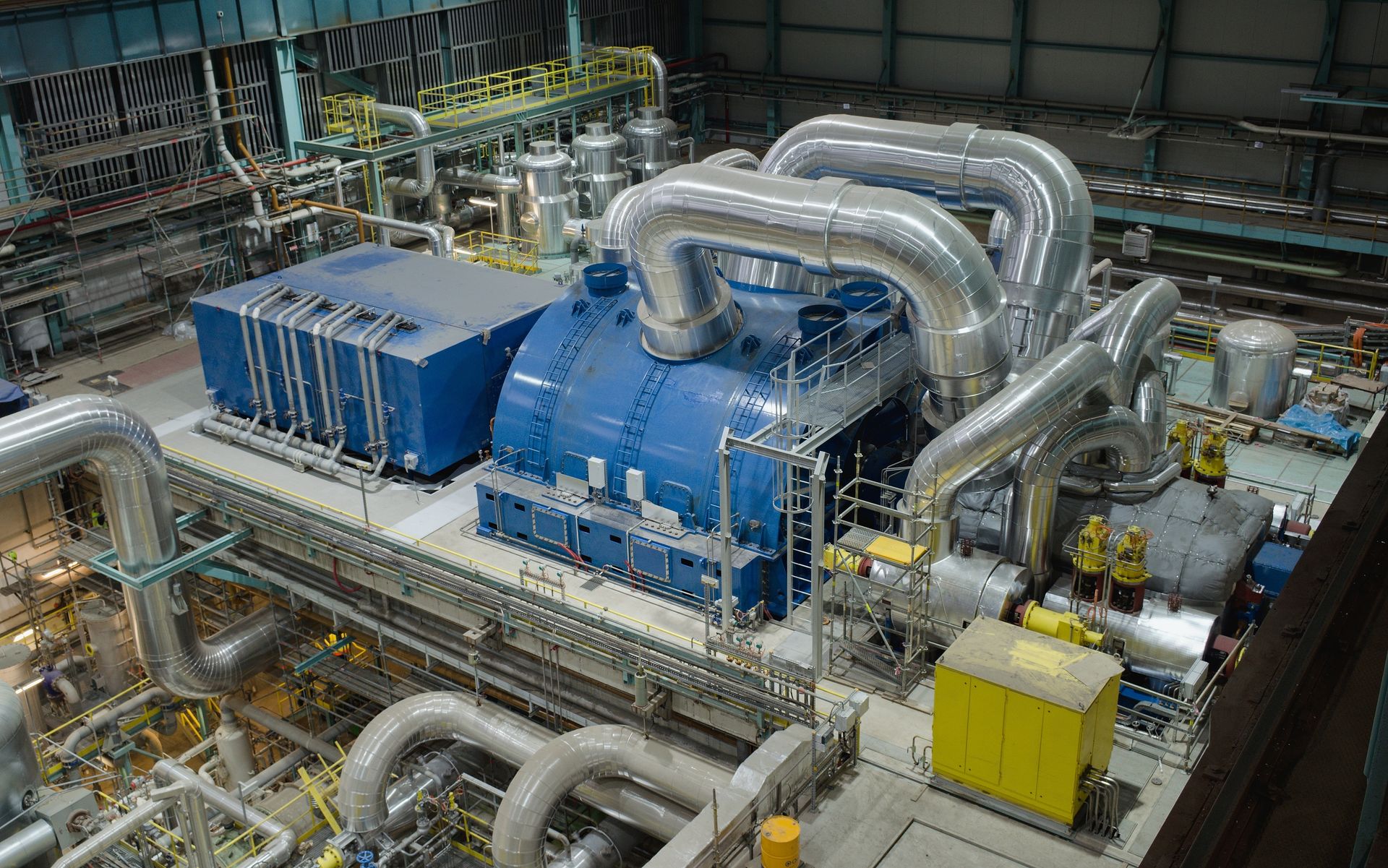
For steam and gas turbine casings, valve surroundings and complex equipment, ERATHERM offers sprayable / pourable insulation — mineral or ceramic-filled, high-temperature coating architecture for geometries where jackets or rigid material cannot fit.
- Full-surface spray coverage on casings and complex shapes
- Spray + removable jacket hybrid for maintenance access
- Selected by temperature profile, vibration amplitude and maintenance strategy
- High adhesion under vibration, low maintenance cost
Down to −268 °C: Vacuum, Barrier, Cell Structure
The complete advanced family for LNG, ammonia, LH₂, LOX, LIN, LAR and cryogenic process plants.
100% closed-cell, non-absorbent, vapor-impermeable cryogenic insulation. LNG, ammonia, LOX/LIN/LAR tanks and cryogenic pipelines; the most reliable tank-bottom material. ASTM C552 · EN 14305.
Wide form range: prefab pipe shells, blocks, sheet, in-situ PUR injection, spray and panel. Cryogenic tanks, ammonia/LPG, chillers, cold lines — designed with vapor barriers. EN 13165.
Closed-cell elastomeric insulation reducing condensation to zero with high vapor-diffusion resistance. Class O, HT, AC and pipe types for VRF, chiller, CHW and HVAC. EN 14304.
Cryogenic-class aerogel blanket for LNG, ammonia, ethylene, propylene and O₂/N₂/Ar plants. Ultra-low conductivity, flexible, high condensation resistance. ASTM C1728.
Aluminized film + spacer multi-layer radiative barrier for cryogenic and space-class vacuum systems: LOX/LH₂/LN₂ tanks, VJP piping, TVAC chambers, rocket fuel lines. ECSS-Q-ST-70 · ASTM E595.
Light, economical; used in LNG and ammonia tank annulus filling under vacuum or inert atmosphere, plus cement, boiler and thermal-plant use. Bulk, concrete and panel. ASTM C549.
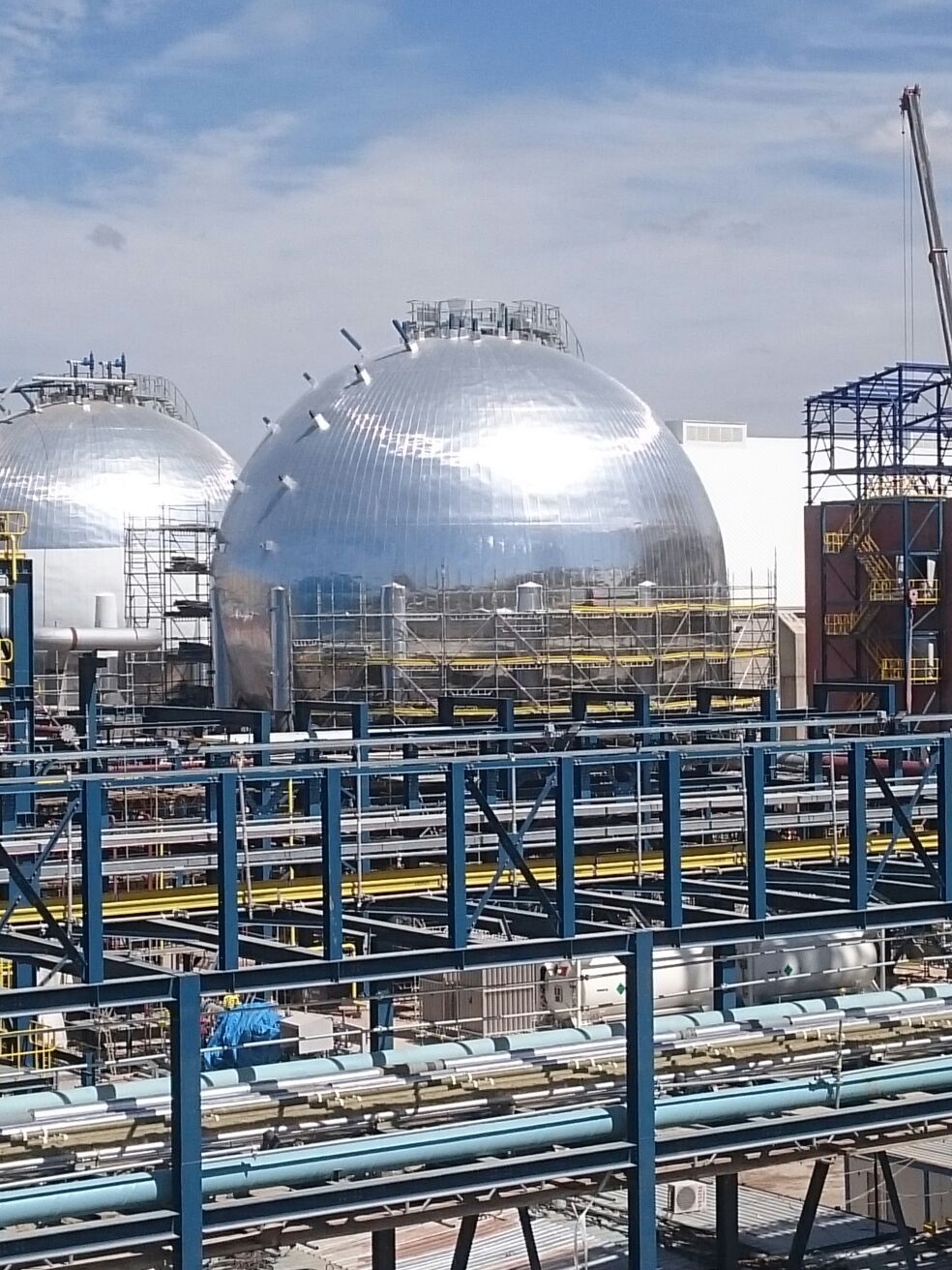
The Invisible Backbone of Cold Systems
In cold and cryogenic insulation the most critical link is the vapor barrier — stopping water vapor from entering the insulation, preventing condensation and icing and extending material life.
- Aluminium foil, polyester film, mastic/coating and tape systems
- Multi-layer composite membranes for LNG and ammonia tanks
- Primary + secondary vapor barrier — an ERATHERM specialty
- Designed together with cellular glass, PIR/PUR and Cryogel systems
Furnace, Boiler & Combustion to 1800 °C
Refractory-class insulation and lining materials for steel, cement and ceramic kilns.
Rope, cord and woven fabrics for high-temperature sealing, gasketing and furnace door edges; high thermal-shock resistance. ASTM C1335.
Special binder mixes for furnaces, boilers and combustion chambers; acidic, basic or neutral. Castable, gunning and press types. ASTM C1054.
High-temperature castable and gunning mixes for monolithic linings and rapid repair in kilns and combustion equipment.
High-refractory brick for cement, steel and ceramic kilns; high-alumina and lightweight insulation-class options, laid by our specialist teams. ASTM C27.
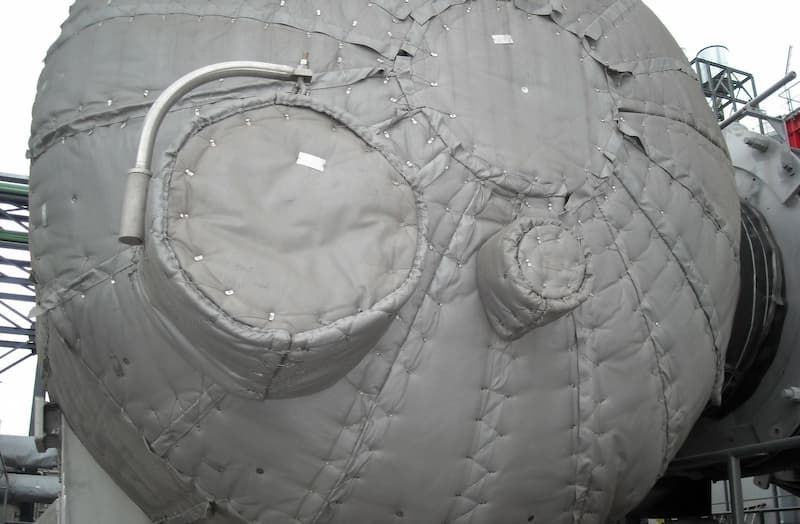
Maintenance-Friendly, Reusable Insulation
Removable jackets give fast maintenance and high energy savings on valves, flanges, pumps, filters, strainers, turboexpanders and equipment heads — custom-designed, manufactured and installed.
- Valve & flange jackets for repeated removal and refit
- Pump, strainer and filter jackets for periodic maintenance points
- Turbine & turboexpander jackets tolerating thermal expansion
- Fabric by temperature zone: fiberglass, silica, ceramic, PTFE-coated silica (250–1100 °C)
The Outer Shell & Connection Details
Insulation lifespan depends on the outer shell and connection details — ERATHERM supplies the whole cladding and consumables range from one source.
Alu 5754 / 3003, 0.4–1.0 mm — stucco, corrugated and flat roll.
AISI 304/316 stainless, S280GD galvanized and Alu-Zinc cladding.
PVC-coated sheet (RAL 9002/9006/9007) and trapezoidal profiles.
Sealing-washer screws, blind rivets, stainless banding and weld pins.
Wire and hexagonal mesh, stand-offs and spacers.
Aluminium/butyl/PVC/polyester tape, mastic, sealant and adhesives.
Polyethylene and EPDM gaskets and expansion-joint elements.
Marking labels, thermographic references and HSE consumables.
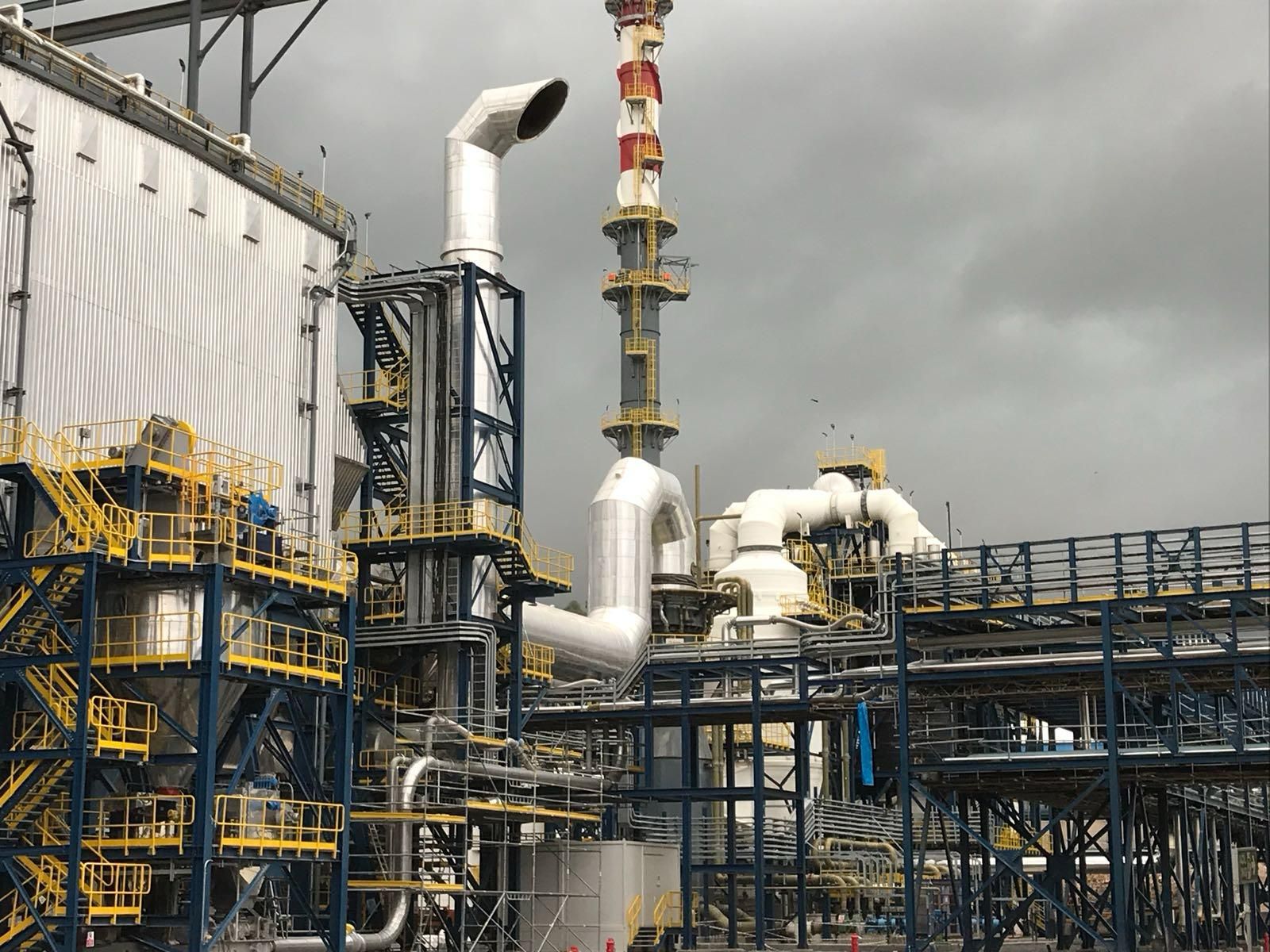
Sound Absorption Around Fans, Compressors & Turbines
For personnel comfort, regulatory compliance and operational control, ERATHERM supplies and designs acoustic insulation systems:
- Acoustic panels — high-density rock/glass wool with perforated sheet
- High-NRC sound-absorption beds for fans, compressors and intercoolers
- Combined thermal + acoustic systems in a single package
- Modular, self-supporting noise cabins — designed, manufactured and certified
Every Material to International Standards
Each product is selected from certified suppliers within EN, ASTM, ISO or API frameworks.
Rockwool / glasswool.
Elastomeric rubber.
Cellular glass.
PIR / PUR.
Calcium silicate.
Cellular glass.
Corrosion spec / outgassing TML & CVCM.
RBI / CUI risk basis.
Thermal calculation.
Space-class material requirements.
Control of corrosion under insulation.
Reaction-to-fire classification.
Six Engineering Checks from Request to Site
Every order passes the same discipline — a single line item or a turnkey package.
Project type, process conditions and temperature zone reviewed in detail.
Spec validated to EN/ASTM/ISO/API; gaps flagged with revision proposals.
Suitability for the real field system assessed by engineering.
Cost- and logistics-optimized selection from the approved pool.
Production, customs, transport and storage planned to site schedule.
Material checks, storage guidance and, on request, the application team.
Materials Trusted Across Energy, Petrochemical & Defense
The same engineering discipline behind every material selection supports long-term partnerships with leading energy, refinery, petrochemical, cement and defense organizations across three continents.






























Single line item, BOQ evaluation or turnkey supply + application — a solution partner that passes every material through an engineering filter, not a vendor that simply ships orders.
Related Engineering Services & Sectors
Material supply connects to ERATHERM's design, analysis, application and sector expertise.
Engineering & Services
Systems & Sectors
Insulation Materials — Common Questions
Is ERATHERM only an insulation materials supplier?
No. ERATHERM is an engineering partner. Every supply starts with design, engineering calculation, thermal-system analysis and material selection, continues with correct sourcing from an approved global supplier pool, dependable lead times and stock continuity, and — when required — full on-site application.
What temperature range do ERATHERM materials cover?
The full −268 °C to +1800 °C range — from cryogenic cellular glass, MLI and Cryogel for LNG, ammonia and TVAC systems to refractory mortars and fire brick for furnaces and kilns.
Which materials are supplied for hot service?
Rockwool (≤750 °C), glasswool (≤350 °C), ceramic fiber (1260–1600 °C), calcium silicate (≤650 °C), aerogel Pyrogel (≤650 °C) and soluble fiber (≥1000 °C), to EN 14303 and ASTM standards.
Which materials are supplied for cold and cryogenic service?
Cellular glass (−268/+430 °C), PIR/PUR (−50/+120 °C), Armaflex, Cryogel Z (−196 °C), MLI (−253 °C, vacuum) and perlite, with primary + secondary vapor barriers for ammonia and LNG tanks.
Which standards do the materials comply with?
EN 14303, EN 14304, EN 14305, EN 13165, ASTM C533, ASTM C552, ASTM C795, ASTM E595, API 581, ISO 12241, ECSS-Q-ST-70 and NACE SP0198, depending on the material and application.
Does ERATHERM also apply the materials on site?
Yes. When required, ERATHERM provides professional application and installation, integrating material supply with engineering and field execution under one roof for a single accountable result.
Right Material, Right Spec, Engineering Control
A single line item, a BOQ evaluation or a turnkey supply + application package — work with a partner that passes every material through an engineering filter.