
AI Data Center Cooling Insulation and Condensation Control
ERATHERM engineers, supplies and installs vapor-controlled insulation systems for AI data center chilled-water, glycol, Facility Water System (FWS), Coolant Distribution Unit (CDU) and liquid-cooling distribution networks. Each system is designed around coolant temperature, room dew point, thermal bridges, fire performance, maintainability and 24/7 operational reliability. The insulation requirement is determined by the operating conditions and condensation risk—not by the “AI data center” label alone.
 Cooling Insulation · Dew-Point Control

What Is AI Data Center Cooling Insulation?
AI data center cooling insulation is the engineered thermal and vapor-control system applied to chilled-water, glycol, facility-water and liquid-cooling distribution networks. Its purpose is to control heat gain, maintain coolant conditions and prevent condensation close to sensitive electrical and IT equipment.
- Heat-gain control — stabilizing the temperature delivered to cooling equipment
- Surface-temperature control — keeping cold surfaces above the design dew point
- Vapor control — limiting moisture ingress through joints, supports and penetrations
- Operational resilience — protecting electrical spaces and serviceable components
Insulation Across the AI Data Center Cooling Chain
The required insulation changes across the facility and technology loops. ERATHERM reviews each interface using actual coolant temperatures, ambient dew point, OEM limits and operating scenarios.
The facility-side circuit between chillers or dry coolers and the CDU. Chilled-water and glycol mains are evaluated for heat gain, condensation, outdoor exposure and support thermal bridges.
The controlled interface that transfers heat between the FWS and the technology loop. Nozzles, pumps, strainers, valves and flexible connections require coordinated insulation and service-access details.
The secondary loop between the CDU, rack manifolds and cooled IT equipment. Insulation is selected from actual supply temperature and dew-point margin; warm-water operation may not require condensation insulation.
Direct-to-chip cold plates, rear-door heat exchangers, hoses and quick disconnects are reviewed with OEM temperature limits, leak detection, maintainability and local condensation risk.
Condensation Control Based on Dew Point
The design objective is to maintain the external surface temperature at or above the project design dew point plus an agreed safety margin. Condensation control combines temperature control, dew-point monitoring, insulation and vapor-tight detailing as one coordinated system.
Minimum coolant temperature, normal and maximum room conditions, relative humidity, design dew point and high-humidity events are defined together.
Pipe size, insulation conductivity, emissivity, air movement and safety margin are used to determine a project-specific minimum thickness.
Supports, hangers, valves, strainers, sensor penetrations, CDU nozzles and wall or floor penetrations are checked as local cold spots.
Startup, shutdown, standby, low-flow operation, door opening, control deviation and damaged insulation are included where relevant.
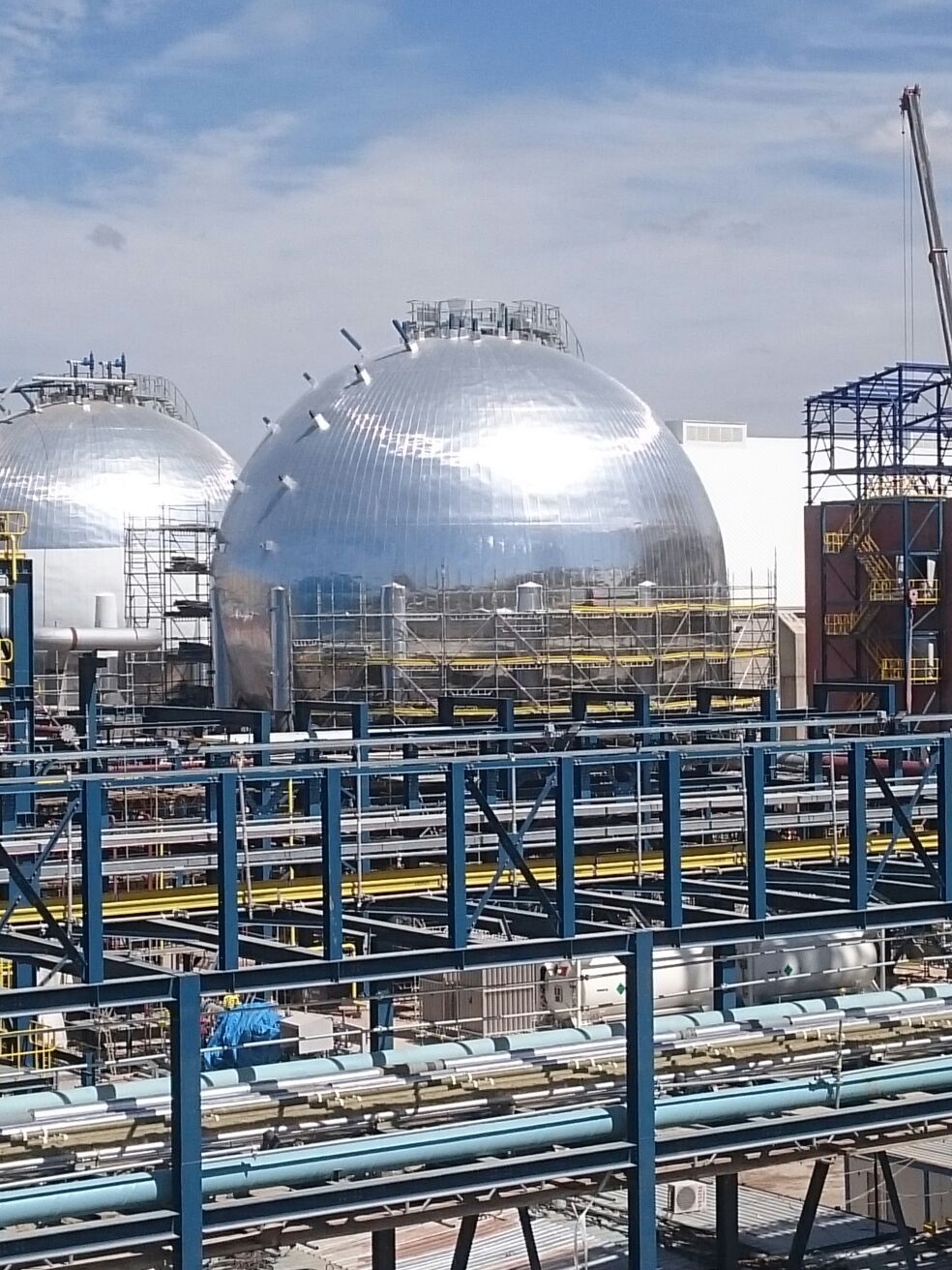
Selecting Insulation for FWS, CDU and Liquid-Cooling Piping
No single material or vapor-diffusion value defines a reliable system. ERATHERM selects and details the complete assembly using thermal, moisture, fire, mechanical and maintenance criteria:
- Thermal performance — design conductivity, surface temperature and heat gain at operating conditions
- Moisture performance — closed-cell content, total vapor resistance, sealed joints and compatible adhesives
- Fire and smoke performance — product- and system-specific classification verified against project requirements
- Long-term serviceability — mechanical protection, maintenance access, repair method and vapor-barrier reinstatement
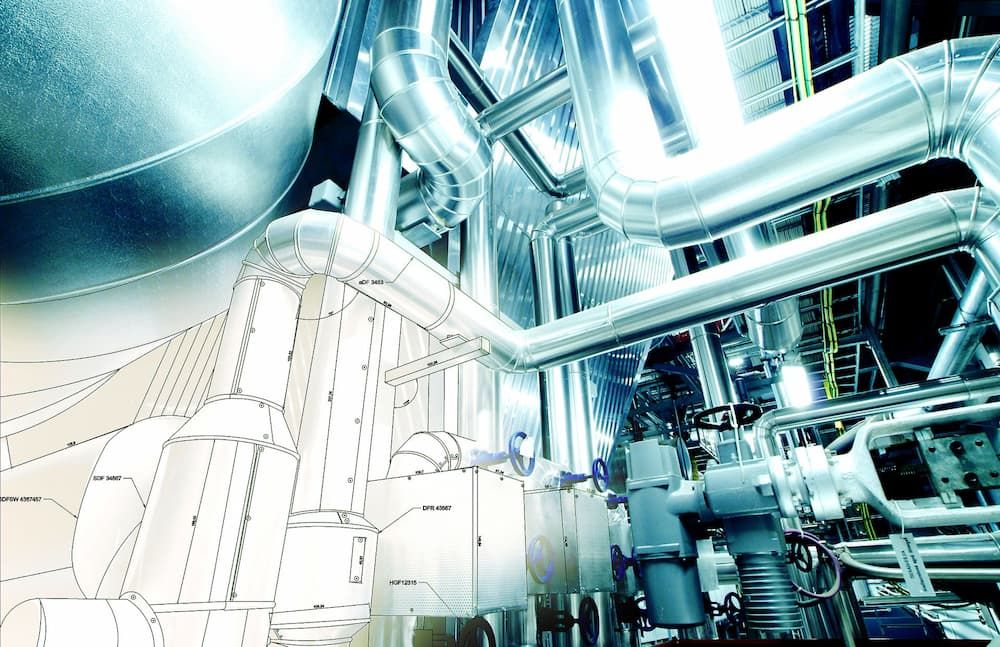
Where Condensation Starts in Data Center Cooling Systems
Straight pipe is rarely the only risk. Local geometry, compressed insulation, interrupted vapor seals and repeatedly serviced components often become the first points to fall below dew point:
- Pipe supports and hangers — load paths can compress insulation or bypass the thermal break
- CDU and equipment connections — nozzles, pumps, valves, strainers and sensors create complex terminations
- Rack-side components — manifolds, hoses and quick disconnects require OEM- and leak-detection coordination
- Reopened joints — maintenance damage or incomplete reinstatement can admit moisture into the system
From Cooling Inputs to Fabrication-Ready Details
ERATHERM turns temperatures, ambient conditions, equipment interfaces and project requirements into coordinated calculations, schedules, drawings and field-control documents.
FWS, CDU and TCS operating matrix, OEM limits and cooling-system interface definition.
Ambient design cases, condensation-risk calculation and minimum surface-temperature criteria.
Heat-gain and surface-temperature calculations linked to insulation and vapor-control selection.
Support, hanger, valve, strainer, CDU nozzle, sensor and penetration details.
Fabrication-ready drawings, component schedules, quantities and installation details.
Technical specification, installation method statement and repair/reinstatement procedures.
Inspection points, checklists, traceability requirements and commissioning acceptance criteria.
Dew-point logging, surface-temperature measurement, thermographic scan and punch-list closeout.
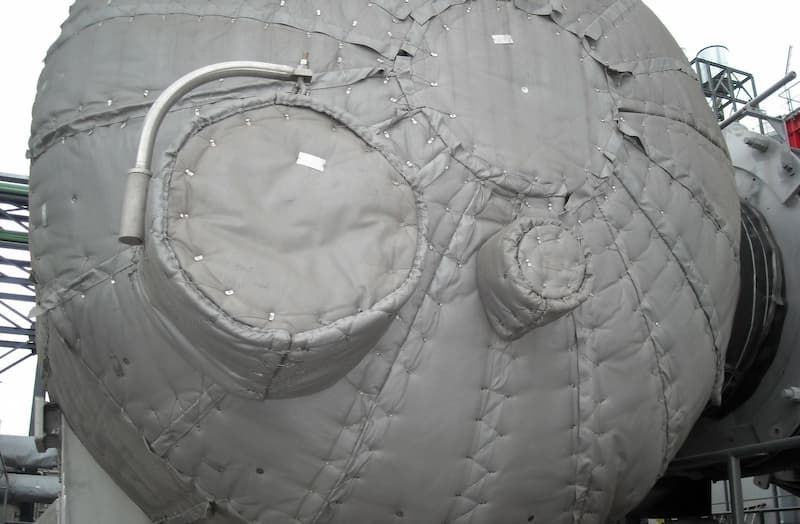
Vapor-Tight Details at Supports, Valves and CDU Connections
Cold-service reliability depends on the interfaces. ERATHERM develops project-specific details for load transfer, thermal breaks, vapor stops, penetrations and maintainable components. Removable systems are used only where their joint sealing, vapor tightness and reinstatement procedure have been technically verified.
- High-density load-bearing inserts and thermal-break support details
- Vapor stops and sealed interfaces at hangers, sensors and penetrations
- CDU nozzle, flexible connection, valve and strainer insulation details
- Inspection access plus documented repair and vapor-barrier reinstatement
QA/QC and Post-Commissioning Condensation Verification
A correct calculation is only the starting point. The installed system must be checked at joints, supports, equipment interfaces and repaired areas, then verified under actual coolant and room conditions.
Thickness, joint bonding, vapor-retarder continuity, support inserts, penetrations and equipment terminations.
Ambient temperature and relative-humidity records compared with coolant and measured surface temperatures.
Cold-spot screening at supports, valves, CDU connections, manifolds and repaired insulation areas.
Punch-list verification, repair acceptance, as-built documents and maintenance-ready reinstatement procedures.
Project-Specific Design Referenced to Relevant Standards
No single standard provides a universal insulation thickness for every data center. ERATHERM selects the applicable calculation, facility, fire and performance references for each project.
Datacom thermal environments and liquid-cooling guidance.
Energy standard for data centers.
Data center facility infrastructure.
PUE, WUE, CER, ERF and related performance indicators.
Heat transfer, surface temperature and simplified thermal-bridge calculations.
Water-vapor diffusion calculation for cold-pipe insulation systems.
Heat gain/loss, surface temperature and insulation-thickness calculations.
Reaction-to-fire classification verified for the selected product or system.
Fire protection for IT and telecommunications facilities.
Heat-reuse assessment where scope and facility thresholds make it applicable.
Energy-management framework and measurable improvement processes.
Cooling architecture, materials, alarms and acceptance limits coordinated with the project.
Engineering, Supply and Installation Under One Responsibility
ERATHERM treats data center mechanical insulation as a dew-point, vapor-control and field-detailing discipline—not as generic HVAC pipe covering.
Material and system selection based on operating conditions, project requirements and lifecycle risk.
Dew-point calculations, thermal bridges, supports, equipment interfaces, shop drawings and BOM/MTO.
Qualified insulation, vapor-control, adhesive, sealant and protective systems supplied as a coordinated package.
Field execution controlled at joints, terminations, supports, penetrations and serviceable components.
Ambient logging, surface-temperature measurement, thermography and condensation-risk closeout.
Field-proven thermal and cold-service expertise across energy, industry, infrastructure and defense.
Precision Thermal Engineering Across Industry & Infrastructure
The dew-point, vapor-control and field-detailing discipline behind ERATHERM's data center work is grounded in long-term thermal engineering across energy, industrial, infrastructure and defense projects.



































ERATHERM brings the same calculation, detailing, material-control and field-verification discipline to chilled-water and liquid-cooling infrastructure for hyperscale and AI compute facilities.
Same Discipline, Neighbouring Applications
Data center insulation connects to ERATHERM's thermal-analysis, cryogenic, audit and wider industrial expertise.
Engineering & Analysis
Cold · Cryogenic · Power
Defense · Aerospace · Nuclear
AI Data Center Cooling Insulation — Common Questions
What is AI data center cooling insulation?
It is the engineered thermal and vapor-control system used on chilled-water, glycol, FWS, CDU and liquid-cooling distribution networks. It controls heat gain, surface temperature and condensation risk near critical electrical and IT equipment.
Why is condensation control critical in data centers?
Condensation can drip into electrical spaces, damage hardware and cable infrastructure, accelerate corrosion and compromise uptime. Control must combine coolant-temperature management, dew-point monitoring, insulation and vapor-tight detailing.
Does every direct-to-chip cooling pipe require insulation?
No. The decision depends on minimum coolant temperature, room dew point, the required safety margin, OEM limits and operating scenarios. A warm-water TCS loop operating safely above dew point may not require condensation insulation.
What is the difference between FWS, CDU and TCS?
FWS is the facility-side water circuit, the CDU transfers heat and hydraulically controls the interface, and TCS is the technology-side circuit serving rack manifolds and cooled IT equipment.
How is the required insulation thickness calculated?
Thickness is calculated from coolant and ambient design conditions, pipe geometry, insulation conductivity, surface emissivity, air movement, vapor-control requirements, thermal bridges and the agreed dew-point safety margin.
How far above room dew point should coolant temperature be maintained?
The required margin is project-specific and must be coordinated with the cooling-system controls and OEM criteria. Where insulation is used, the external surface is designed to remain above the design dew point plus an agreed safety allowance.
Which insulation materials are suitable for data center chilled-water piping?
Depending on project requirements, suitable systems may include closed-cell elastomeric insulation, cellular glass, qualified PIR/PUR or phenolic systems, and composite vapor-retarder assemblies. Selection must verify thermal, moisture, fire, mechanical and maintenance performance.
How are pipe supports, valves and CDU connections protected from condensation?
ERATHERM develops load-bearing inserts, thermal breaks, vapor stops, sealed hanger details and project-specific covers or equipment transitions, with defined inspection and reinstatement procedures.
Can existing data center insulation be inspected thermographically?
Yes. Thermography, surface-temperature measurement and ambient temperature and humidity logging can identify local cold spots and support defects, followed by targeted opening where direct inspection is required.
Can ERATHERM provide design, material supply, installation and commissioning verification?
Yes. ERATHERM can provide calculations, specifications, shop drawings, BOM/MTO, coordinated material supply, specialist installation, QA/QC and post-commissioning condensation verification.
Control Condensation Before It Reaches Critical Infrastructure
Share your FWS, CDU, TCS or chilled-water design conditions for a project-specific insulation and condensation-risk review.