
Project insulation specification
Scope, materials, thickness basis, workmanship, cladding, vapour barrier, supports, penetrations, painting interface, documentation requirements and acceptance criteria, in EPC document structure.
A wrong specification buys the wrong material, and the plant pays for it for twenty years. ERATHERM writes insulation specifications as an independent engineering service: the material selection matrix is built from the operating condition rather than from a supplier catalogue, the method statement describes how the system is actually installed, and the inspection and test plan defines what will be measured before anyone signs an acceptance certificate. The result is a tender-ready technical bid package that contractors can price without assumptions and that the owner can evaluate on technical grounds. We work worldwide, in EPC-level English.

A specification is only useful if it can be priced, built and inspected. Each package below is written against that test, and the input data required from you is defined before we start.
Scope, materials, thickness basis, workmanship, cladding, vapour barrier, supports, penetrations, painting interface, documentation requirements and acceptance criteria, in EPC document structure.
Operating range, fire behaviour, moisture resistance, compressive strength, chemical compatibility and availability compared family by family, with the selection reasoning written down.
Surface preparation, layer sequence, joint stagger, banding, sealing, cladding laps and the sequence of work for each equipment type, written so the crew can follow it on site.
Hold, witness and review points, acceptance criteria, measurement method, responsibility matrix and the record that closes each point.
Specification, drawings, bill of quantities, pricing schedule, bidder questionnaire and evaluation criteria issued as one coherent tender document.
Material families and compliant manufacturers listed with the technical basis for approval, so substitution requests can be judged rather than negotiated.
Where ERATHERM may later bid for the same work, the separation of duties is written into the contract and the owner keeps the right to exclude us from the bidder list.

A specification that names a product instead of a property removes the engineer from the decision. When the named product is unavailable in the project country, the substitution is made by whoever is on site that week.
We specify by property and by test method: thermal conductivity at the mean service temperature, maximum service temperature, water vapour transmission, compressive strength at a stated deformation, reaction to fire class. Then the approved material list names the families that meet them.
Produced under your own document control procedure, in EPC-level English, revision controlled.
Numbered clauses, defined terms, referenced standards and a revision history.
Comparison matrix, selection reasoning and the approved material list.
Installation sequence by equipment type, with details and tolerances.
Hold and witness points, acceptance criteria and the closing record for each.
Measured scope by system and area, with the measurement rules stated.
Technical scoring, qualification requirements and the clarification process.

Ambiguity is priced. Every clause that can be read two ways is read the cheaper way at tender stage and the more expensive way at variation stage. We remove the ambiguity before the documents leave your office.
Quantities are measured against stated rules, interfaces with painting, electrical heat tracing and scaffolding are allocated to a named party, and the documentation list says what closes the job.
The structure is the same; the governing criterion is not. Each service type is specified against the condition that actually decides it.
Heat loss, surface temperature, personnel protection and expansion control on steam, flue gas and process piping.
Condensation control, vapour barrier continuity and closed-cell selection where moisture decides the service life.
LNG, LOX, LIN and LH2 systems where contraction, cold bridging and boil-off govern the specification.
Insertion loss targets, barrier mass, decoupling and the interface with thermal layers.
Reaction to fire and fire resistance requirements, tested assemblies and certification evidence.
Furnace, boiler, kiln and incinerator linings specified by hot face temperature, chemical attack and thermal cycling.
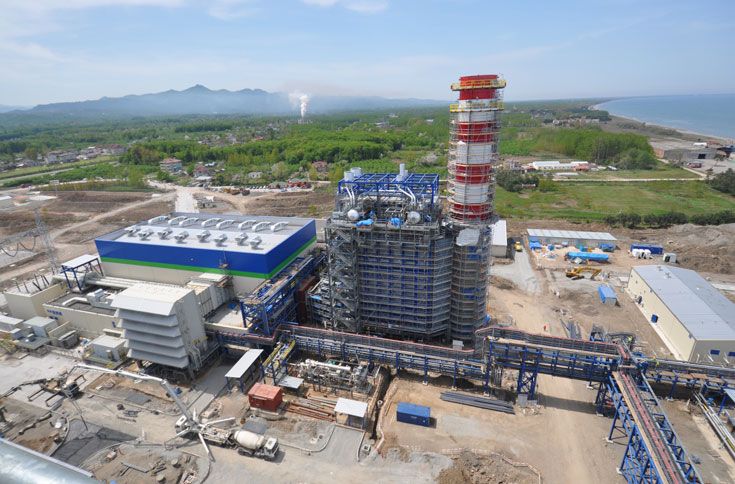
Every acceptance criterion we write has a measurement behind it: thickness verified by probe, surface temperature by contact or thermographic measurement, vapour barrier continuity by visual and spark test where applicable, cladding by lap, fixing spacing and sealant check.
The inspection and test plan names who measures, who witnesses, what the acceptance value is and which record closes the point. That is what turns a specification into a quality file.
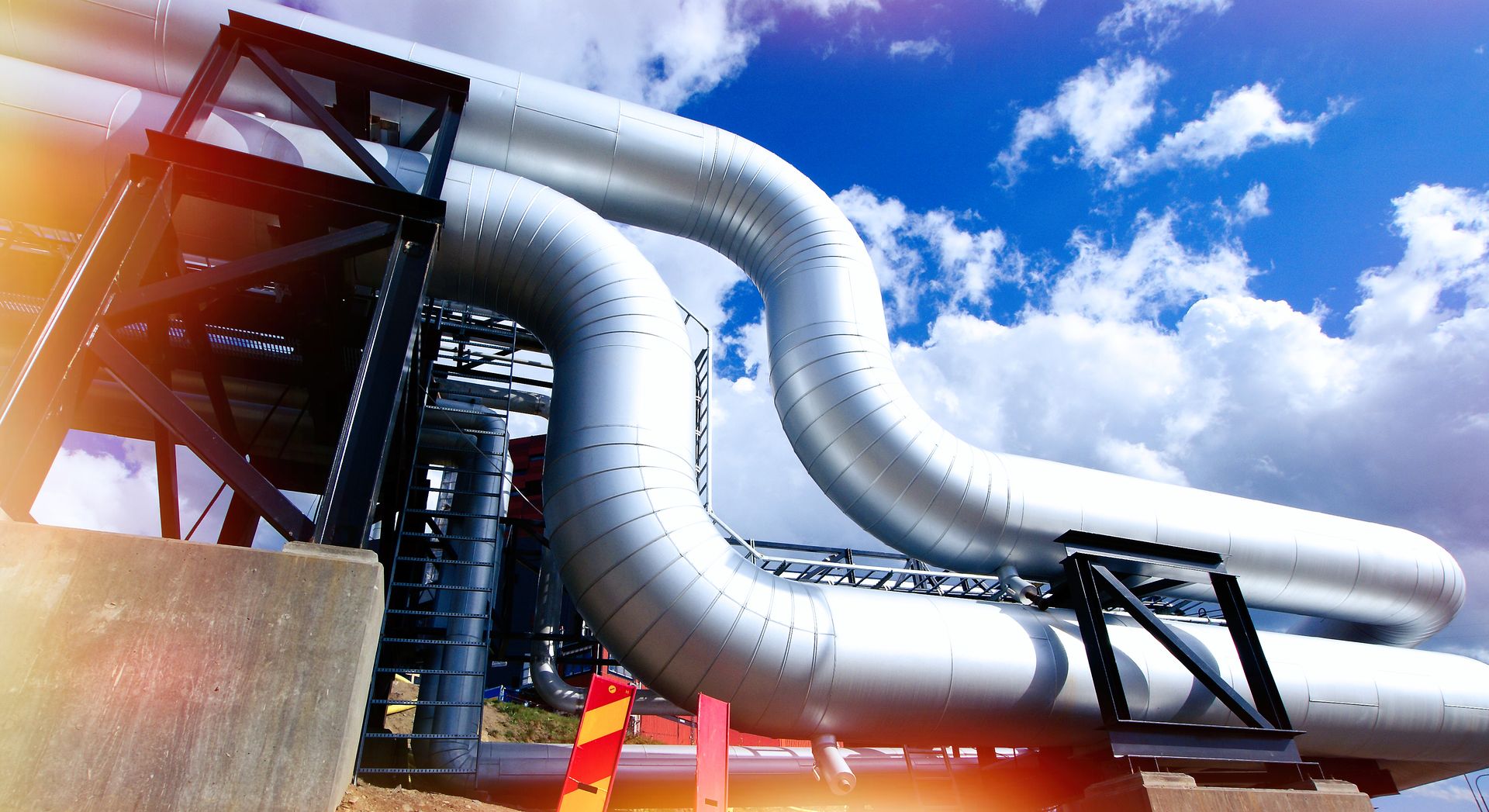
Since the company was founded we have never used a subcontractor on any job. The application is carried out by our own qualified and certified personnel, with our own tools and equipment.
That is why our method statements describe work that can actually be done in the available access, in the available window, by a crew of the stated size. A detail that cannot be installed on a 6 inch line at 30 metres never reaches our specifications.
Industrial Insulation Catalogue
Engineering scope, calculation and documentation services, material families and application capability in a single document.
ERATHERM works as an engineering partner for operators, EPC contractors and equipment manufacturers. Calculation, design, documentation and specification work is delivered remotely under the client's document control procedure; inspection, site supervision and application teams are mobilised to site.
Yes. We frequently write the specification and the inspection and test plan around a design produced by the EPC contractor or by the licensor, and then review the design against the specification we wrote.
The reference set is agreed with you and listed in the document. Commonly used references include ASTM C680 and ISO 12241 for calculation, ASTM C1136 and ASTM C921 for jacketing and vapour retarders, EN 13501 and ASTM E84 for reaction to fire, and CINI or the plant's own standard for construction detailing.
Only where the client requires it. Our default is to specify measurable properties with the test method, then list compliant families and manufacturers in a separate approved material list that can be revised without reissuing the specification.
Yes. Technical bid evaluation, clarification management, contractor qualification review and a scored recommendation are available as a separate owner's engineering package.
A single-unit specification with a material selection matrix is typically a matter of weeks once the line list, operating conditions and site standards are available. A full tender package with bill of quantities depends on the measured scope and is scheduled after the drawings are reviewed.
Yes. Documents are issued in your numbering, revision and transmittal format, and comment responses are returned on your own review sheet.
The detailed pages behind each part of the package.
We will review it against the operating conditions, identify the clauses that will be priced around, and propose the specification, method statement and inspection plan your scope needs.