
Fire curve and rating class
Cellulosic, hydrocarbon or jet fire, and the duration required. A60 and H120 describe different exposures; a product tested to one does not carry over to the other.

Fire-rated insulation thickness is not calculated the way thermal thickness is. It is established by test, against a defined fire curve and a defined failure criterion, and the engineering work is selecting the tested construction that matches your substrate, your rating and your installed geometry — then proving the match holds.
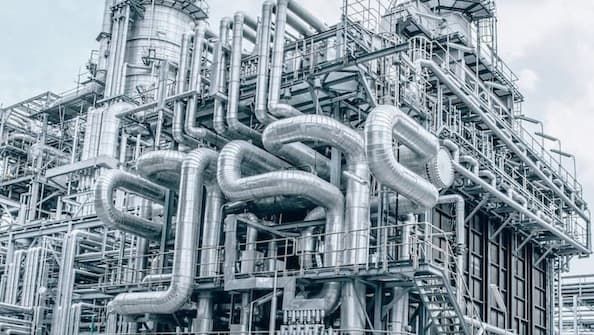
The rating on a drawing is a requirement, not a design. These are the decisions that turn it into a buildable, certifiable construction.
Cellulosic, hydrocarbon or jet fire, and the duration required. A60 and H120 describe different exposures; a product tested to one does not carry over to the other.
Insulation, integrity or load-bearing capacity, and the temperature limit on the protected side. The criterion decides which test report is relevant.
Substrate type and thickness, fixing method, joint treatment and orientation. A certificate applies to the construction tested, not to the product in isolation.
Most fire protection fails at the penetrations, fixings and joints rather than in the field of the panel. These are detailed and checked explicitly, because an untested joint voids the rating of everything around it.

We start from the rating and the fire curve stated in the project specification, identify the governing failure criterion, and then select from tested constructions whose substrate and fixing arrangement match the actual geometry. Thickness comes from the test evidence, not from a conductivity calculation.
Written so an authority having jurisdiction can follow the chain from requirement to certificate without asking a second question.
Fire curve, duration, failure criterion and the source document for each.
The tested construction chosen for each item, with the certificate reference.
By item and orientation, with fixing centres and joint treatment.
Penetrations, supports and terminations drawn within the tested arrangement.
Test reports and certificates assembled against the items they cover.
Items where no tested construction covers the geometry, with the route forward.
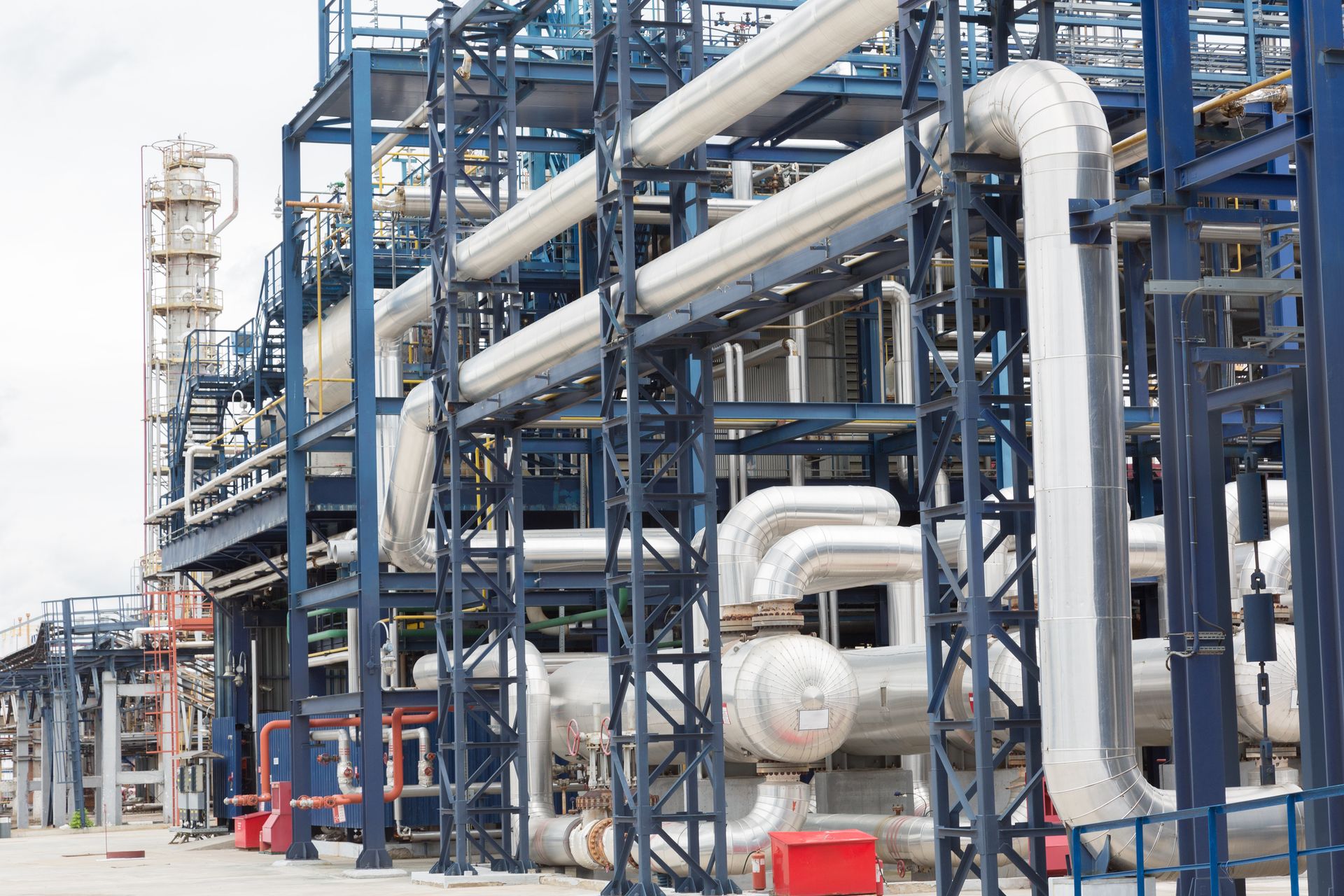
A fire protection certificate is a narrow document. It covers a specific substrate, a specific thickness and a specific fixing arrangement, tested in a specific orientation. Suppliers quote the rating; the scope of validity is usually in an annex nobody reads until the authority asks.
Industrial Insulation Catalogue
Engineering scope, calculation and documentation services, material families and application capability in a single document.
ERATHERM works as an engineering partner for operators, EPC contractors and equipment manufacturers. Calculation, design, documentation and specification work is delivered remotely under the client's document control procedure; inspection, site supervision and application teams are mobilised to site.
Not for certification. Numerical work is useful for screening and for interpolating between tested cases, but acceptance by an authority rests on test evidence for the construction as built. We use calculation to narrow the options and evidence to prove the one selected.
No. The hydrocarbon curve reaches a far higher temperature far faster than the cellulosic curve, so equal duration does not mean equal severity. A construction has to be tested to the curve the project specifies.
Sometimes, and it is usually worth checking. Where a single construction can satisfy both, the saving is in weight, space and installed cost. Where it cannot, we say so rather than compromising either function.
That is a real outcome and we report it as one. The routes are an extended application assessment from the test house, a project-specific test, or a change to the arrangement. We set out the cost and schedule of each rather than claiming a match that does not exist.
Fire rating is one of several criteria that can govern a thickness.
Calculation and design
Insulation thickness calculation Condensation control calculation Freeze protection thickness Fire-rated insulation thickness Acoustic insulation thickness CO2 emission reduction calculationWe will confirm the rating basis, select tested constructions that match your geometry and tell you where the evidence does not yet exist.