
Surface temperature above dew point
Minimum thickness so the outer surface stays above the dew point of the design ambient, calculated at the worst humidity on record rather than an annual average.

On a cold line the thickness that saves energy and the thickness that keeps the surface dry are two different numbers, and the larger one governs. Condensation control sizes insulation so the outer surface stays above the ambient dew point at the worst recorded humidity, then protects that result with a vapour barrier that has no unsealed path through it.
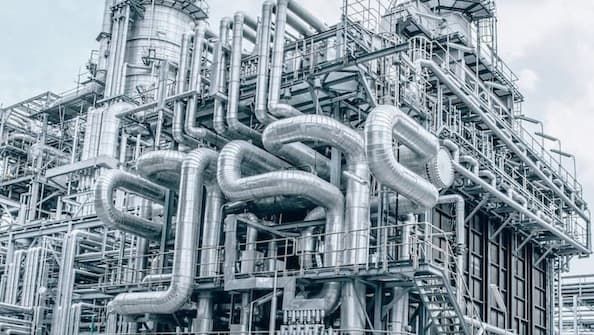
Condensation control is not one number. It is a surface temperature check, a moisture transport check and a construction decision, and each can govern.
Minimum thickness so the outer surface stays above the dew point of the design ambient, calculated at the worst humidity on record rather than an annual average.
Water vapour moves from warm ambient towards the cold pipe whatever the thickness. The calculation sets the permeance the barrier must achieve to keep the insulant dry.
Supports, valves, branches and terminations are where vapour enters. Each is treated as a detail with its own vapour stop, not as a length of straight pipe.
Design ambient for condensation is not the design ambient for heat loss. The critical combination is high relative humidity with moderate temperature, which usually occurs at night or in early morning, not at the summer peak.
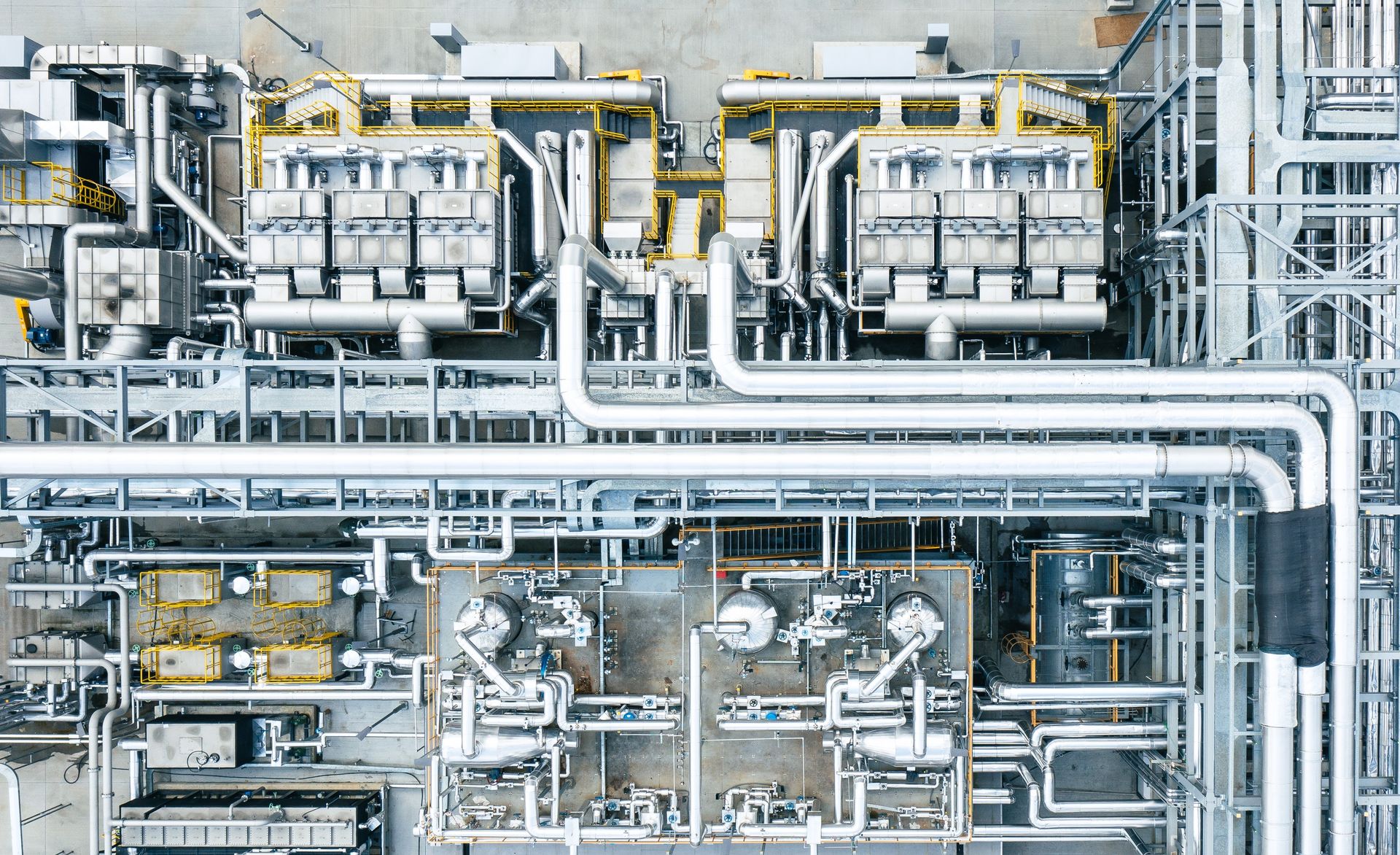
Surface temperature is solved from the same heat balance used for heat loss, with the external film coefficient taken at the still-air condition because that is the worst case for condensation. Thickness is then increased until the surface sits a defined margin above dew point.
Each deliverable is traceable to the inputs you supplied, so an auditor or a licensor can reproduce the result.
Inputs, dew point basis, surface temperature by thickness and the governing case.
Thickness by line size and service, with the condensation and thermal values shown.
Required permeance, material family, lap and sealing requirement at each detail.
Supports, valves and terminations that need a vapour stop, with sketch references.
Every design ambient, emissivity and film coefficient used, with its source.
Where the specification you supplied conflicts with the calculated requirement.
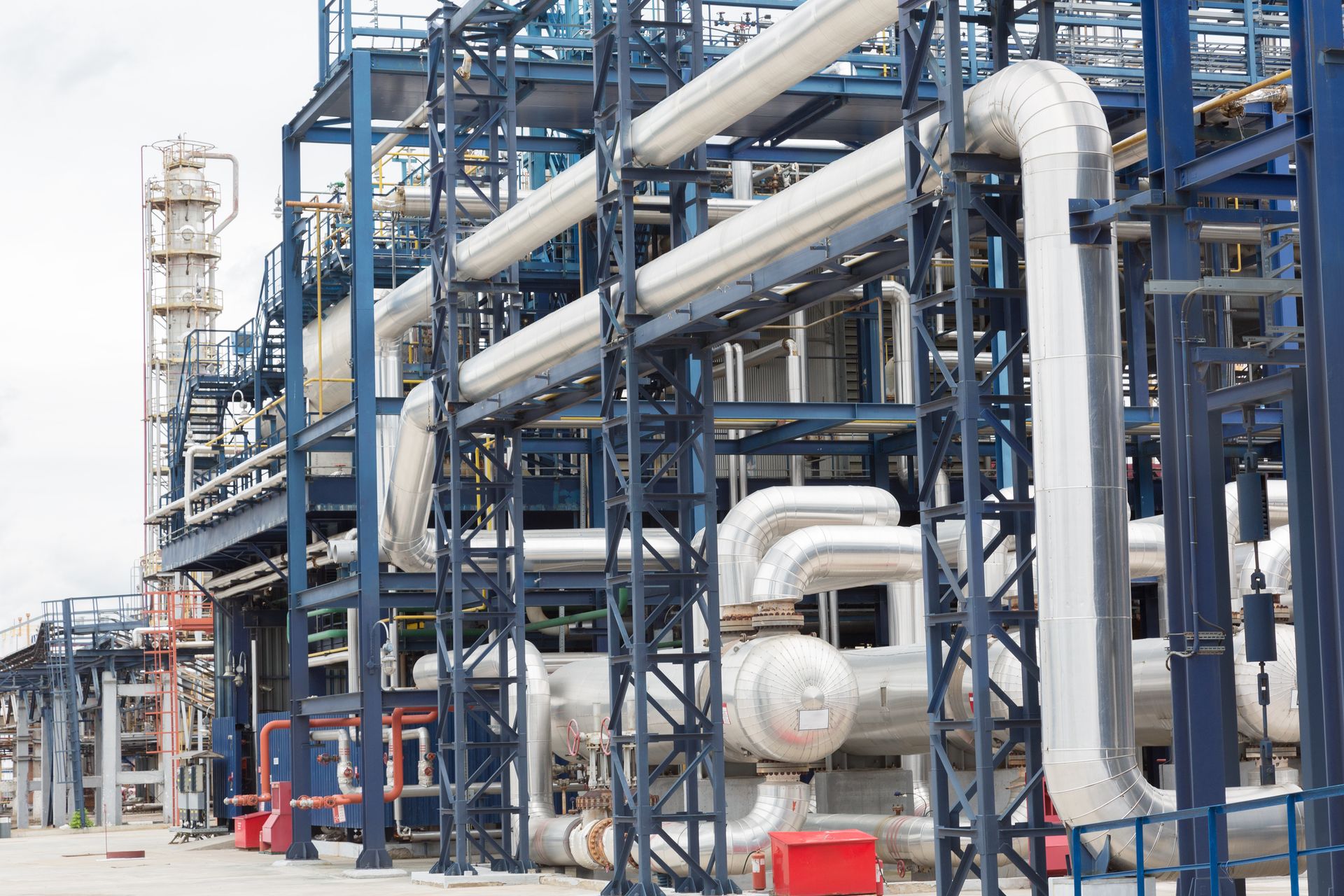
Once vapour enters a cold system it condenses at the coldest layer and stays there. Thermal conductivity rises, the surface gets colder, more vapour is drawn in and the system fails faster the longer it runs. The repair cost is never the insulation; it is the corrosion underneath it.
Industrial Insulation Catalogue
Engineering scope, calculation and documentation services, material families and application capability in a single document.
ERATHERM works as an engineering partner for operators, EPC contractors and equipment manufacturers. Calculation, design, documentation and specification work is delivered remotely under the client's document control procedure; inspection, site supervision and application teams are mobilised to site.
Because the two calculations optimise different things. Thermal thickness balances heat loss against insulation cost, and that balance is often met at a modest thickness. Condensation thickness has no economic optimum: the surface either stays above dew point or it does not. On chilled water and refrigerant lines in humid climates the condensation requirement routinely governs.
The worst recorded combination for the site, not the annual average and not the summer design condition used for heat loss. We ask for site meteorological data; where none is available we state the assumption explicitly in the report so it can be challenged.
No. Thickness controls surface temperature; it does nothing about vapour pressure difference driving moisture inward. A cold system without a continuous vapour barrier will take up water whatever its thickness.
Yes. We run the condensation check against your line list and operating data and report which services are under-specified, which are over-specified and where the barrier detailing is the real gap.
The calculation rarely stands alone; these are the pages it usually sits beside.
Calculation and design
Insulation thickness calculation Condensation control calculation Freeze protection thickness Fire-rated insulation thickness Acoustic insulation thickness CO2 emission reduction calculationWe will run the condensation check, compare it against your thermal thickness and tell you which services are at risk before anything is installed.