
Untraced: hold time
Insulation thickness sized so the contents stay above freezing for the time operations need to drain, restart or intervene. The answer is hours, not a steady state.

Freeze protection is a time calculation, not a steady-state one. Insulation does not stop a stagnant line from freezing; it decides how long you have before it does. The thickness follows from the hold time the operation needs and from whether heat tracing is there to extend it indefinitely.
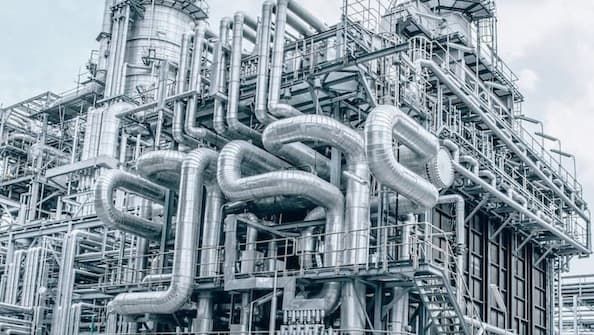
Freeze protection splits cleanly into lines that have a heat source and lines that do not. The calculation and the acceptance criterion are different for each.
Insulation thickness sized so the contents stay above freezing for the time operations need to drain, restart or intervene. The answer is hours, not a steady state.
Tracing output sized against the heat loss through the insulation at the lowest ambient, with the thickness chosen to keep the tracing load economic and the surface safe.
Pipe wall, contents and any supports all store heat. Small-bore lines, valves and instrument tubing freeze first and are calculated separately from the main run.
No thickness prevents freezing in a stagnant line indefinitely. If the hold time required exceeds what is physically achievable, the honest answer is tracing, draining or a self-draining layout, and we say so rather than adding thickness.
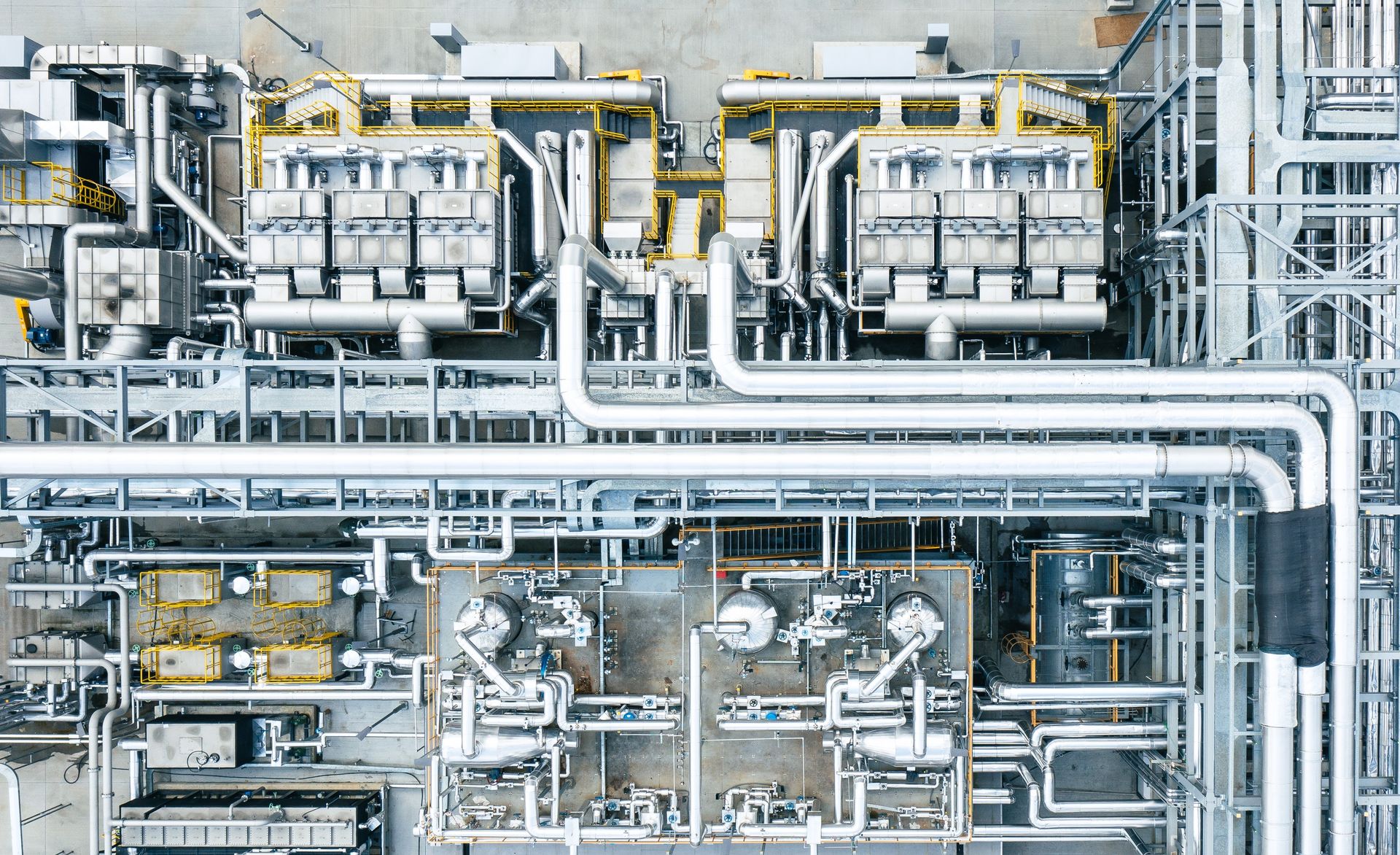
Cool-down is solved as a transient: the stored energy in the contents and pipe wall against the heat loss through the insulation at the design minimum ambient and wind speed. Thickness is increased until the time to reach freezing exceeds the required hold time with margin.
The hold time figure is as useful to the operations team as the thickness is to the installer, so both are stated plainly.
Hold time by line size and thickness at the design minimum ambient.
By line and service, traced and untraced cases shown separately.
Watts per metre required at the chosen thickness, for the tracing designer.
Small-bore lines, dead legs, valves and instruments that govern the risk.
The hold time operations can rely on, and what to do when it is exceeded.
Ambient, wind, emissivity and contents properties used, each with its source.
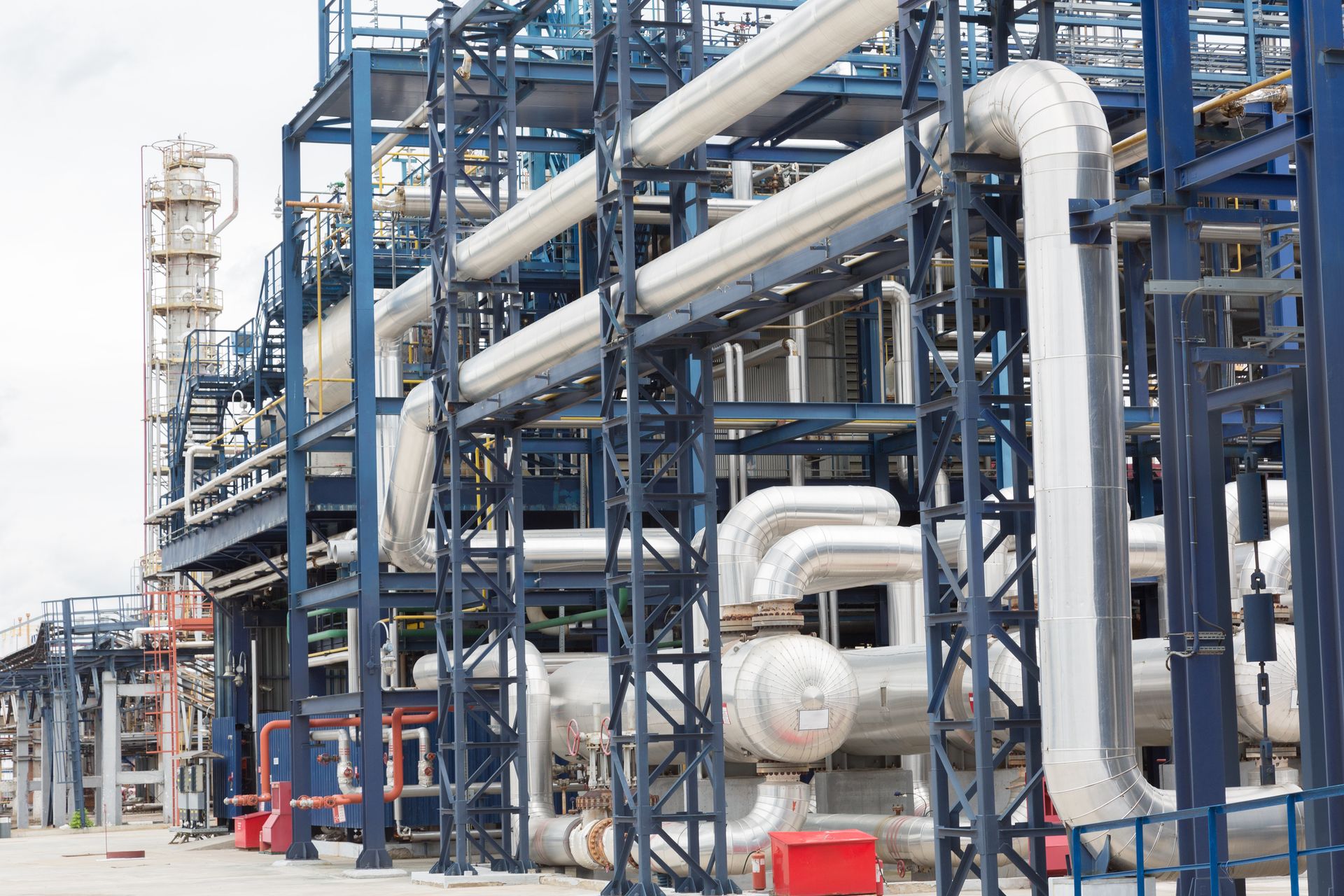
Main runs rarely freeze first. Valves, instrument tappings, drain legs and pipe supports are smaller, have less stored heat and are often where the insulation is interrupted for access. A correct thickness on the straight run does not protect any of them.
Industrial Insulation Catalogue
Engineering scope, calculation and documentation services, material families and application capability in a single document.
ERATHERM works as an engineering partner for operators, EPC contractors and equipment manufacturers. Calculation, design, documentation and specification work is delivered remotely under the client's document control procedure; inspection, site supervision and application teams are mobilised to site.
That is an operations decision, not an engineering one, and we ask for it rather than assuming it. Typical drivers are the time to mobilise after a trip, the time to drain the system, or the expected duration of a supply interruption. We calculate against the figure you give and state it in the report.
Only where the required hold time is short. Insulation slows heat loss; it adds no energy. If the line must stay above freezing through an extended outage at low ambient, tracing is the only reliable answer and extra thickness is a false economy.
Yes, and it is the input most often left out. The external film coefficient rises sharply with wind speed, and an exposed line can lose heat several times faster than a sheltered one at the same ambient. We state the wind speed used.
Different problem, different method. Ground acts as both insulation and thermal mass, and the governing case is usually the shallow section or the point where the line surfaces. We treat those sections separately.
Freeze protection is one of the criteria that can govern over thermal thickness.
Calculation and design
Insulation thickness calculation Condensation control calculation Freeze protection thickness Fire-rated insulation thickness Acoustic insulation thickness CO2 emission reduction calculationSend the line list, the design minimum ambient and the hold time operations require; we will return the thickness, the hold time achieved and the items at risk.