
As-built drawings
Shop drawings updated to what was actually installed: revised thicknesses, relocated supports, added expansion joints and every field change that departed from issue.

As-built documentation is cheap to produce while the work is happening and expensive to reconstruct afterwards. The difference is a recording discipline that costs very little per day and a handover that either takes a week or takes three months of site visits trying to remember what went where.
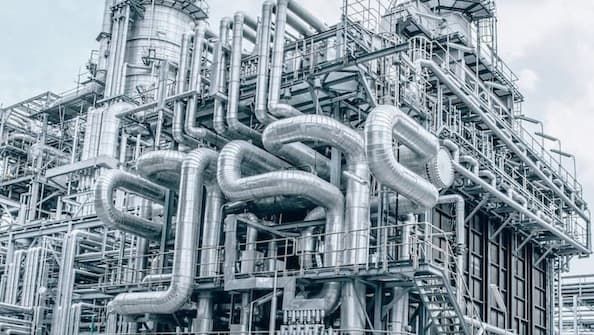
An insulation dossier is not one document. These are the three threads that have to be complete and consistent with each other.
Shop drawings updated to what was actually installed: revised thicknesses, relocated supports, added expansion joints and every field change that departed from issue.
Which product, which batch, which certificate, on which line. The thread that matters when a material is later queried or recalled.
The inspection records the ITP called for, assembled against the activities they cover rather than filed by date.
Material traceability broken at handover is the one that cannot be repaired. Drawings can be re-measured and inspections can be re-argued; which batch went onto which line cannot be reconstructed once the delivery notes are gone.
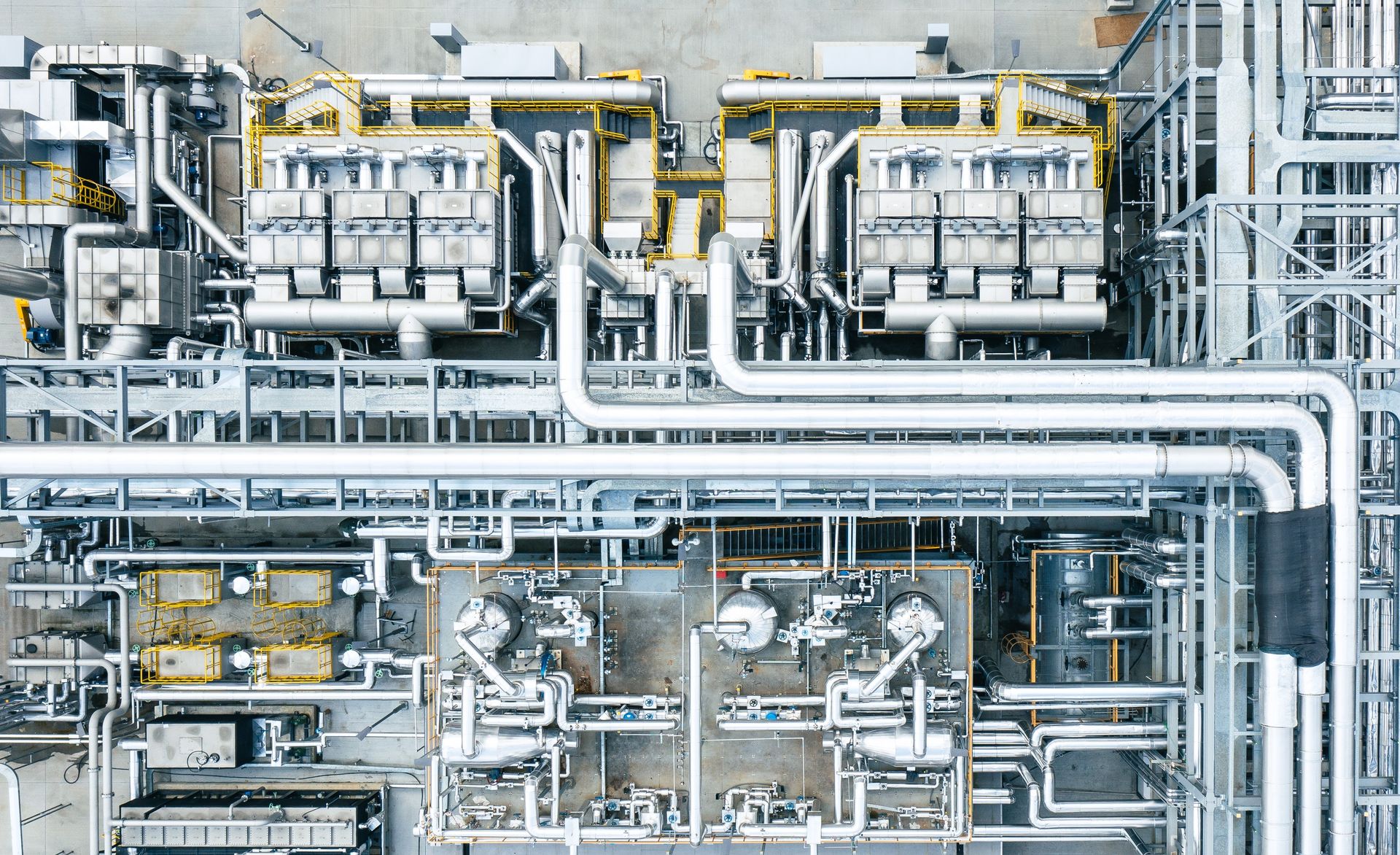
Recording during execution rather than reconstruction at the end. A weekly mark-up cycle against the issued drawings, delivery documents captured as they arrive, and inspection records filed against the ITP line that required them, on the same day.
Structured so the operations and maintenance team can use it, which is a different requirement from satisfying the contract.
Shop drawings revised to installed condition, with change history visible.
Product, batch, certificate and location, cross-referenced to line numbers.
Inspection records assembled against the ITP, indexed and complete.
Material, fire and performance certificates, with validity dates stated.
Outstanding items at handover, with their status and the agreed resolution.
What the operations team needs to know to repair this system correctly later.
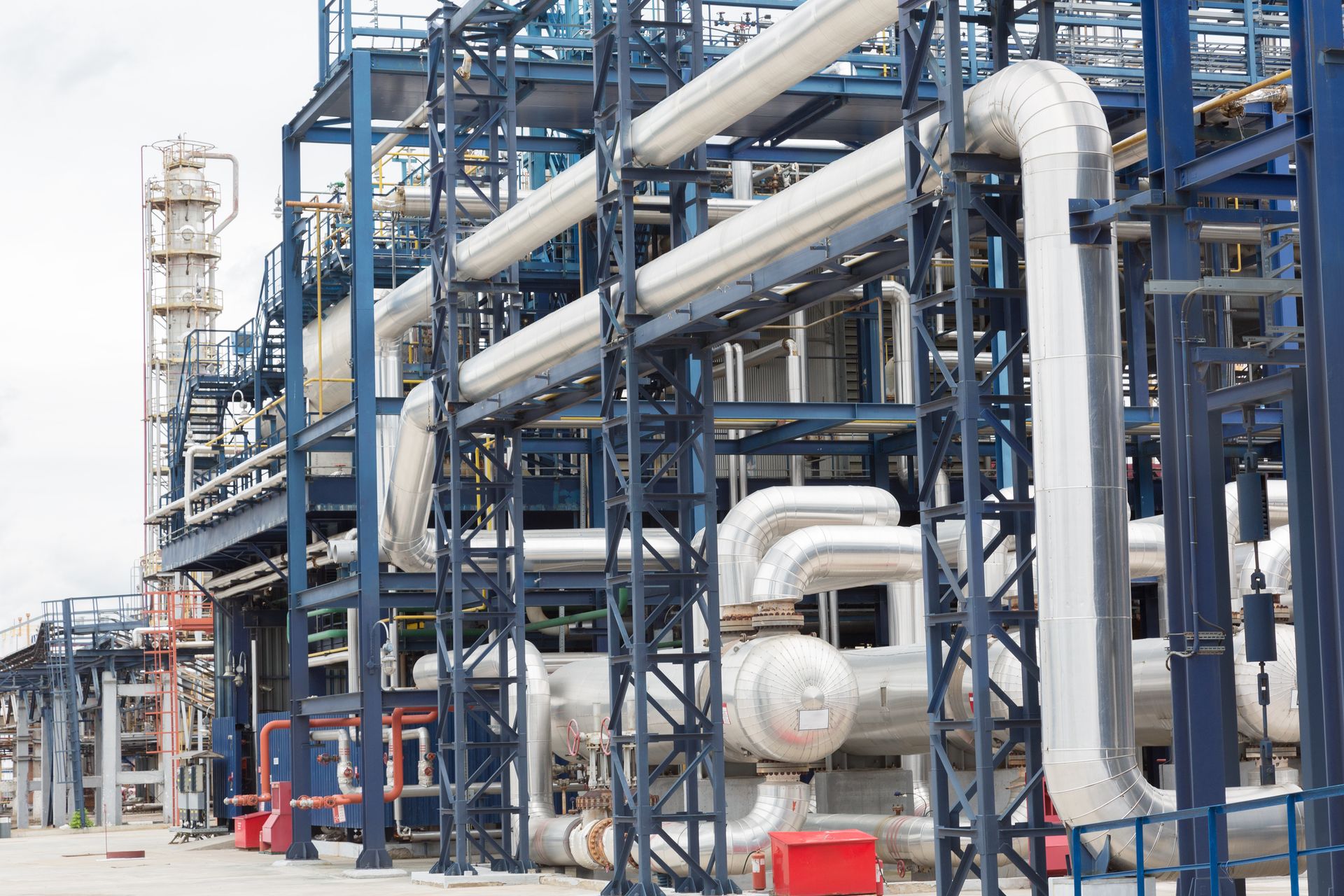
Five years on, somebody has to repair a section of this insulation. What they need is the build-up, the material, the vapour barrier arrangement and the reason for any non-standard detail. If the dossier only proves the contract was satisfied, that repair is a guess and usually a worse one than the original.
Industrial Insulation Catalogue
Engineering scope, calculation and documentation services, material families and application capability in a single document.
ERATHERM works as an engineering partner for operators, EPC contractors and equipment manufacturers. Calculation, design, documentation and specification work is delivered remotely under the client's document control procedure; inspection, site supervision and application teams are mobilised to site.
Partly. Drawings can be re-measured where the work is accessible and inspection records can sometimes be reconstructed from site reports. Material traceability generally cannot be recovered, and that is the part most often needed later.
The contractor produces it and the owner has to be able to verify it. Where an owner has no in-house capacity to check completeness, we review the dossier against the ITP and report what is missing while the contractor is still mobilised.
Detailed enough to show covered work before it was covered, indexed to line and date. Volume is not the measure — an indexed set of a few hundred photographs is more useful than thousands of unindexed ones.
It matters more there. Shutdown work is fast, partial and poorly recorded, and over several turnarounds a system drifts away from its original documentation until nobody knows what is actually installed.
The dossier is the end of a chain that starts at the ITP.
Quality and documentation
Inspection, QA/QC and TPI Inspection and test plan (ITP) Method statement As-built documentation Energy audit and heat loss surveySend the ITP and the current record status; we will tell you what is missing while it can still be captured rather than reconstructed.