Survey and measurement
Thermographic survey with surface temperature measurement, covering bare, damaged, wet and intact sections, recorded against line numbers rather than photographs alone.
Most plants know their insulation is in poor condition somewhere and have no defensible basis for choosing where to spend. An energy audit converts that into a mapped, quantified list: this line, this area, this much loss per year, this much to repair. The ranking is the deliverable; the thermography is just how it is built.
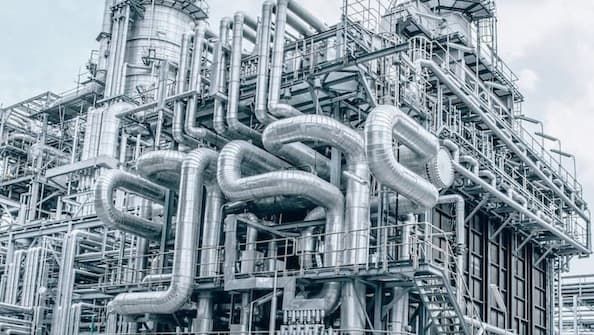
The audit only earns its cost if it ends in a scope someone can buy. Each stage exists to make the final ranking defensible.
Thermographic survey with surface temperature measurement, covering bare, damaged, wet and intact sections, recorded against line numbers rather than photographs alone.
Each condition converted to heat loss using the same calculation basis used for design, with operating hours applied from plant records.
What each item actually costs to put right, including access, scaffolding and any shutdown constraint, because those usually exceed the material cost.
Items ordered by saving per unit of spend, cut into packages that match realistic budget and outage windows.
A bare elbow at grade and the same elbow at forty metres have the same heat loss and very different payback. Ranking that ignores access cost sends the budget to the wrong items.
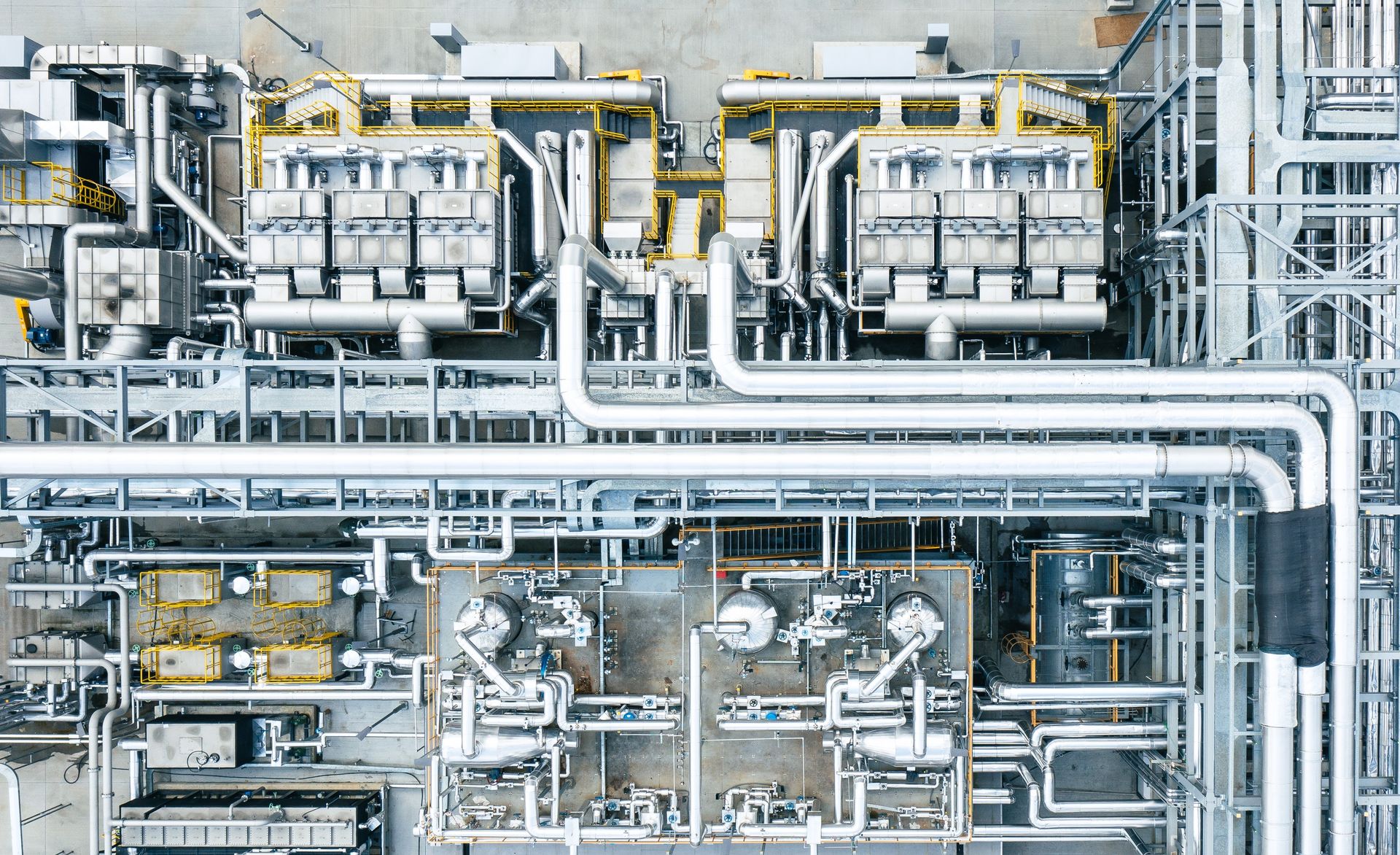
We survey during normal operation at a stated ambient and wind condition, measure rather than estimate surface temperatures, and record every finding against a line or equipment number so the result is a scope and not an album of thermal images.
Written for whoever approves the budget, with the engineering detail behind it available but not in the way.
Findings by line and area, with images, measured temperatures and conditions.
Heat loss and annual energy by item, with the calculation basis stated.
Annual cost of loss, repair cost and simple payback by item and by package.
Items ordered by return, grouped into buyable packages.
Wet and damaged sections flagged for inspection, separate from the energy case.
Enough definition for the top ranked package to go out to tender.
Wet insulation is an energy loss and a corrosion mechanism, and the second is normally the larger liability. A section that costs a few thousand a year in heat is also hiding an actively corroding surface whose repair, found late, is a different order of cost entirely.
Industrial Insulation Catalogue
Engineering scope, calculation and documentation services, material families and application capability in a single document.
ERATHERM works as an engineering partner for operators, EPC contractors and equipment manufacturers. Calculation, design, documentation and specification work is delivered remotely under the client's document control procedure; inspection, site supervision and application teams are mobilised to site.
No — the opposite. The survey has to be done during normal operation, because the losses only exist when the lines are hot. Access is the only constraint, and we plan the route around what can be reached safely while running.
Accurate enough to rank, which is what the audit is for. Emissivity, wind and reflected temperature all introduce error, and we control them by contact verification and by stating the survey conditions. We report a range rather than implying precision we do not have.
Yes, but the audit is deliberately useful on its own. Where an owner wants independence, we deliver the ranking and the scope definition and the repair goes to tender; where speed matters more, we carry out the repair under the same engagement.
A full survey every three to five years suits most plants, with the previous ranking as the baseline. More useful than frequency is repeating it after a turnaround, because that is when insulation condition changes most and is recorded least.
The audit produces a scope; these are the pages that carry it forward.
Quality and documentation
Inspection, QA/QC and TPI Inspection and test plan (ITP) Method statement As-built documentation Energy audit and heat loss surveyWe will survey during operation and return a ranked repair scope with the saving, the cost and the payback stated for each package.